Stories, Beliefs and Creation
Aboriginal DreamingBrolga Dreaming Flowers of Blood How the Perentie and Goanna got their Colours Gnoilya (Wild Dog) Tmerga Water Dreaming
| WARNING: Aboriginal and Torres Strait Islander people are warned that this website contain images, voices and names of people who have passed away. |
The term Dreaming is a term that embodies the unique stories and beliefs of the Australian Aboriginal groups. Sometimes used interchangeably with the term Dreamtime, although none of the many Aboriginal languages contain a word for time.
The Dreaming embodies concept of moving from dream to reality and whilst time refers to past, present and future, the Dreaming is none of these. It can be considered as the act of creation and therein the basis of many Aboriginal stories and beliefs.
The Dreaming is here and now and not a long way away. It is the environment that the Aboriginals live in, it is the significance of place.
The Jukurrpa (translated as the Dreaming) teaches the inseparability of oneself from one’s environment. It embodies the rituals, ceremonial dancing and singing practices that ensure the perpetuation of life for the Warlpiri people. It is a complex narrative of creation, renewal and connection to country.
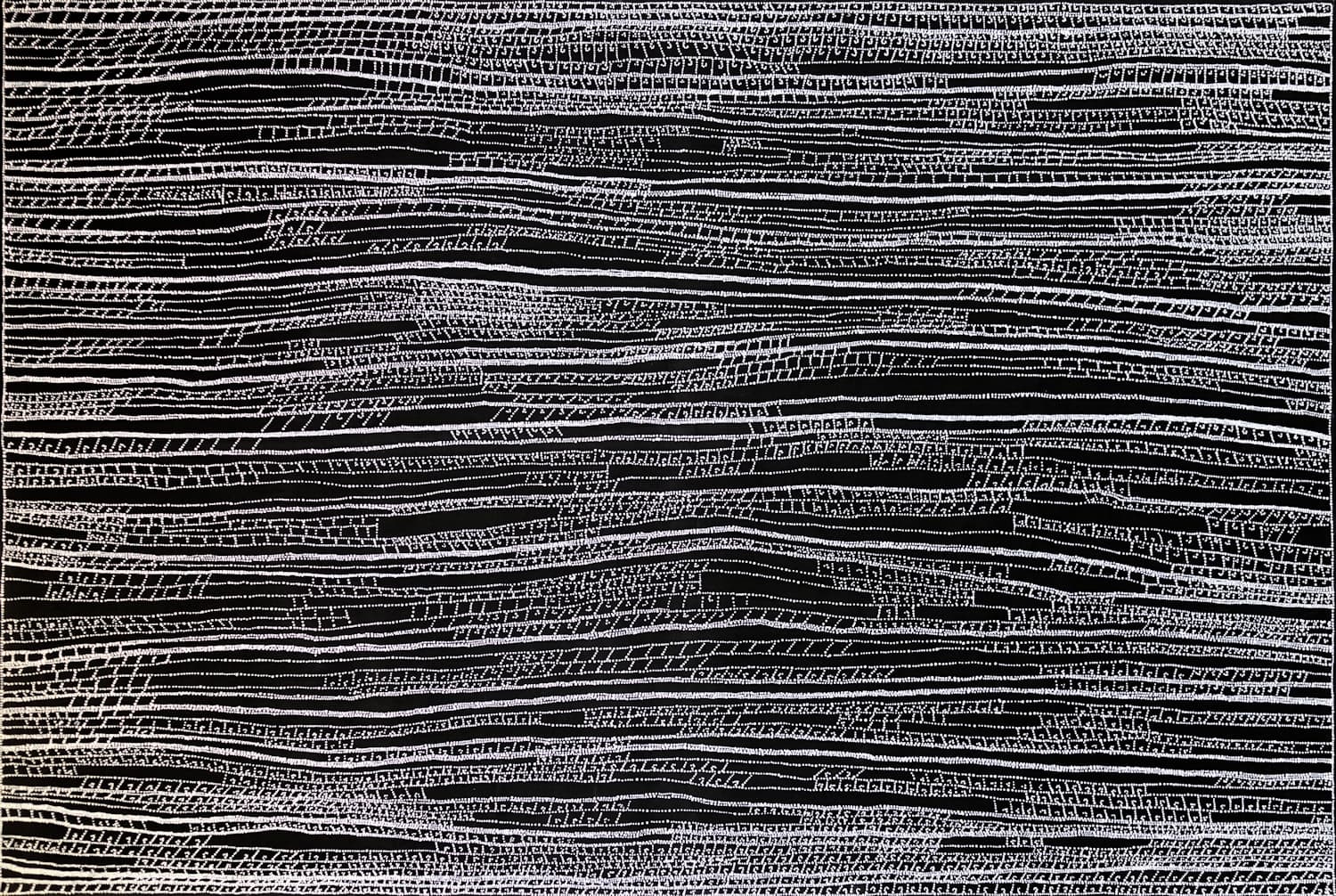
Honouring and Remembering the Art and Life of Dorothy Napangardi, 1987-2013, Gallery Gondwana
Jukurrpa or Tjukurpa is used by a number of aboriginal language groups including that of the Warlpiri and the Pitjantjatjara, encompassing traditional laws, stories and spirituality. Through painting their stories, aboriginal artists affirm their connection to the Jukurrpa, their country and to all other beings.
Other aboriginal language group know it under other names including Wongar in the North-east Arnhem Land, Ngarrankarni or Ngarrarngkarni by the Gija people, Manguny in Martu Wangka (a Western Desert language spoken in the Pilbara region of Western Australia).
In traditional Aboriginal beliefs the world was created by Ancestor Beings. These spirits of the Ancestor Beings remains in the country, in features of the landscape, the animals and the people of that country.
In traditional and current Aboriginal practice, the knowledge is passed on in song, dance, painting and storytelling.
There is plenty of information available in publications and online for those that want to delve deeper into the subject of Dreaming and Dreamtime.
We will be presenting here some of the stories from the Dreaming, with more being added over time:
- Brolga Dreaming
- Flowers of Blood
- Gnoilya (Wild Dog) Tmerga, Alice Springs
- How the Perentie and Goanna got their Colours
- Water Dreaming
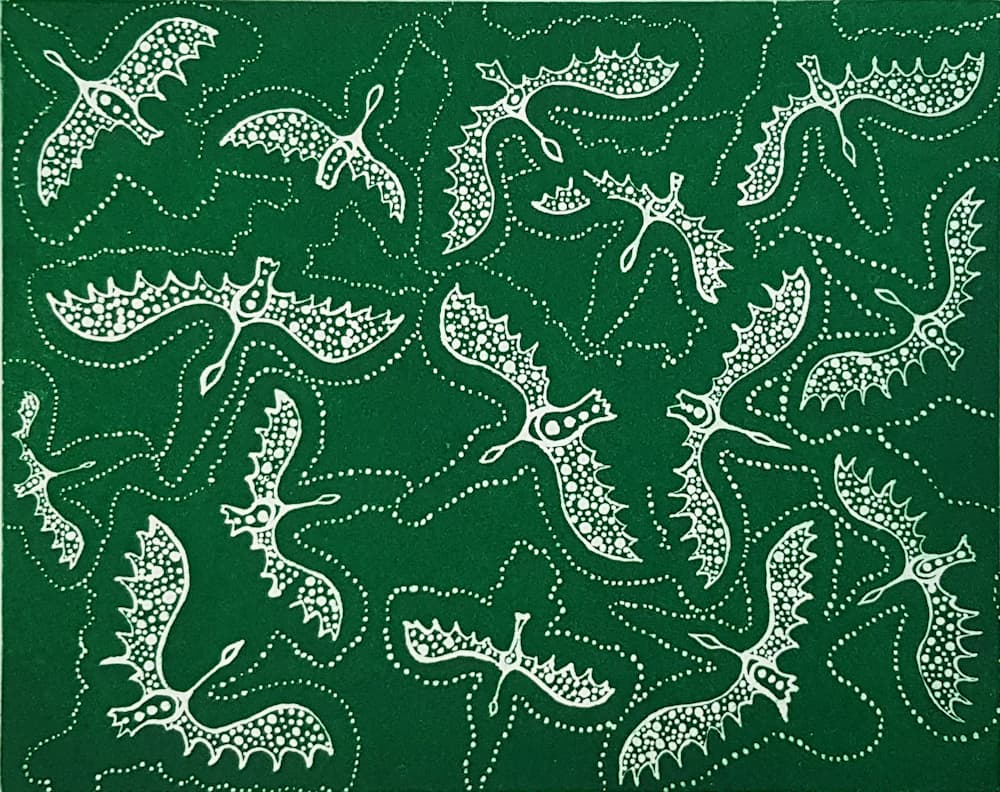
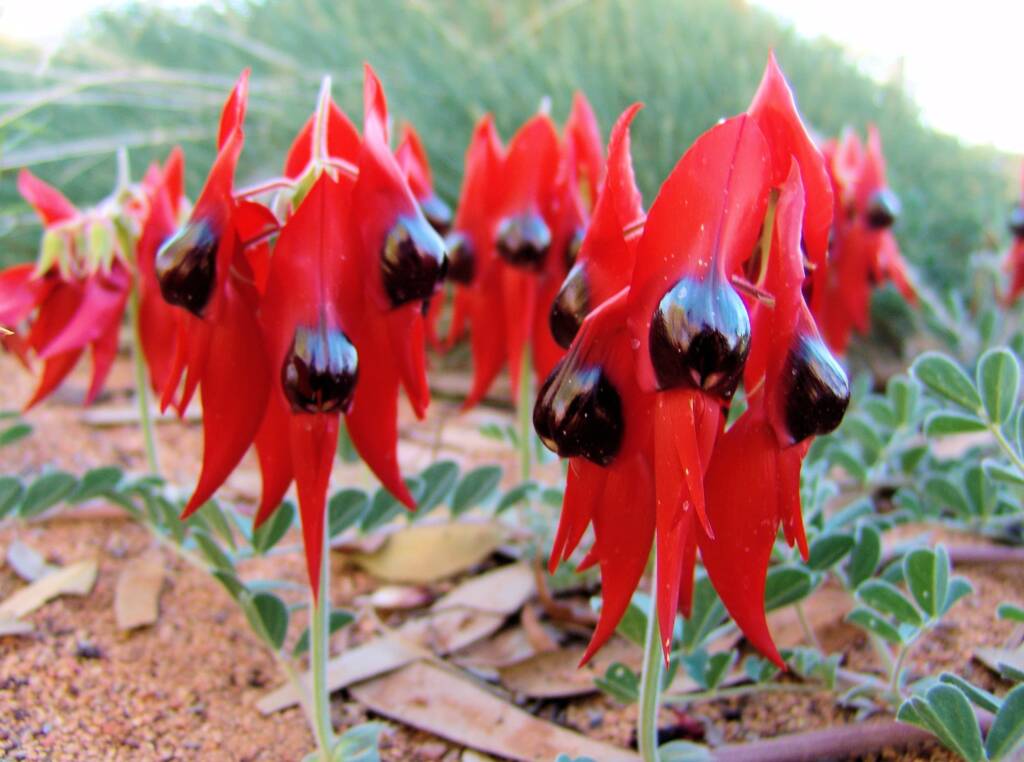
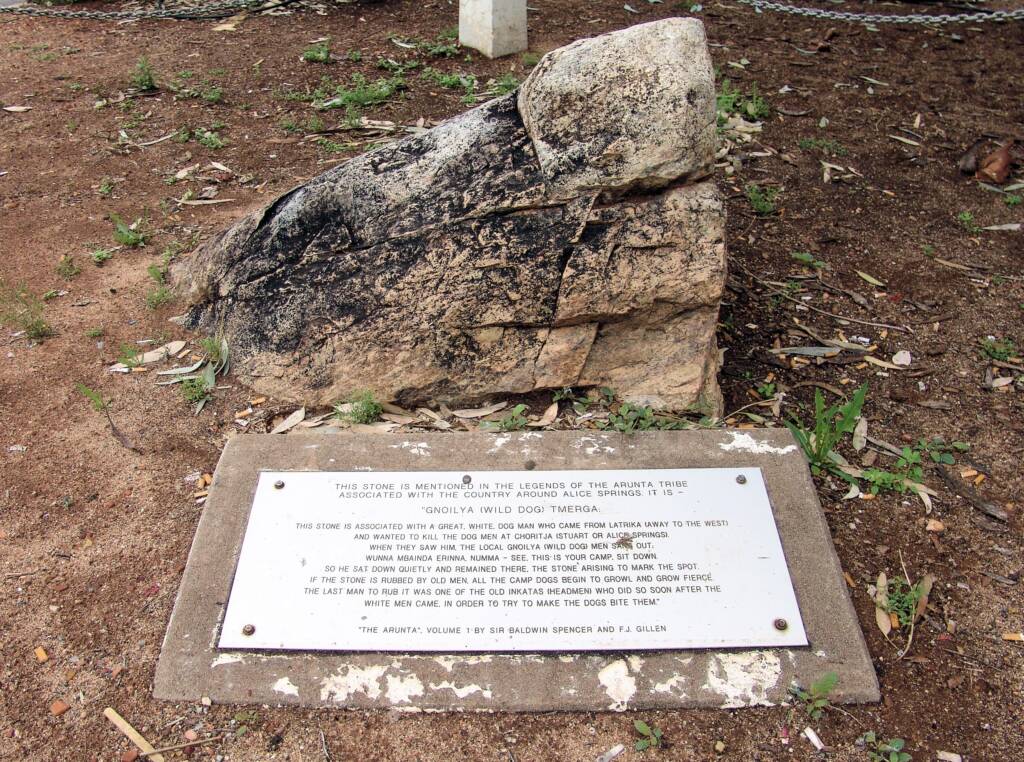
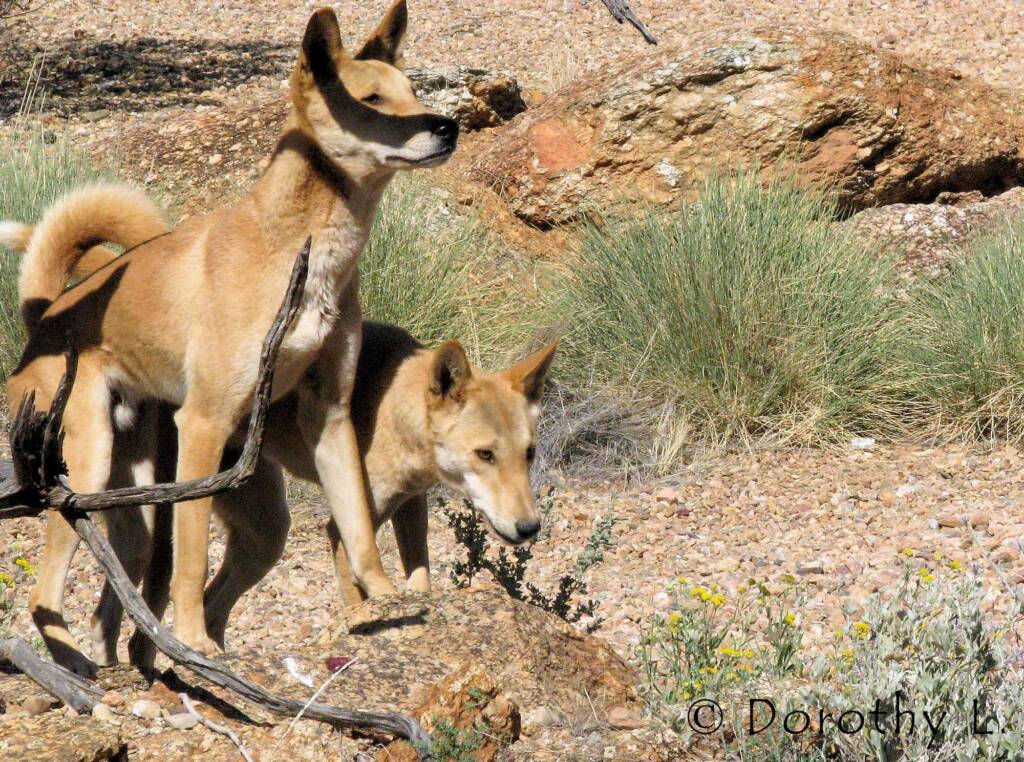
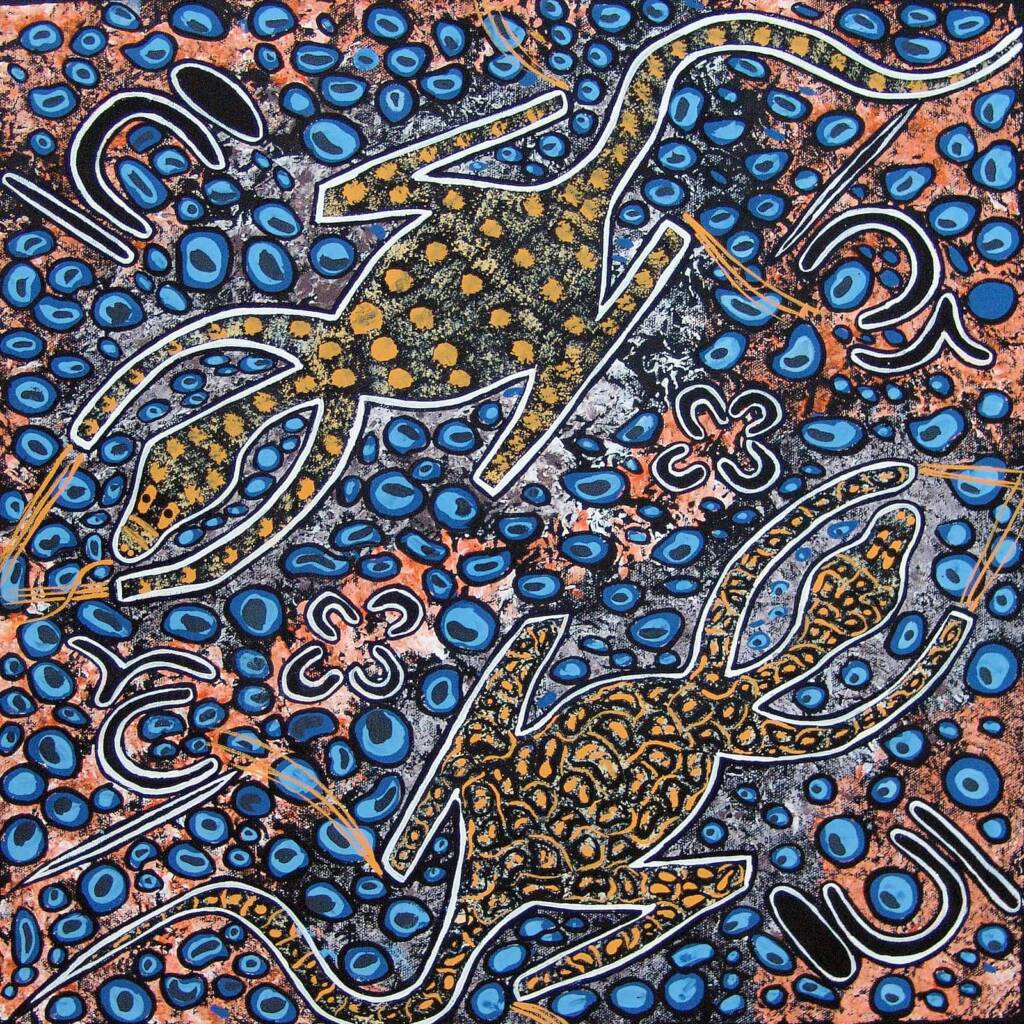
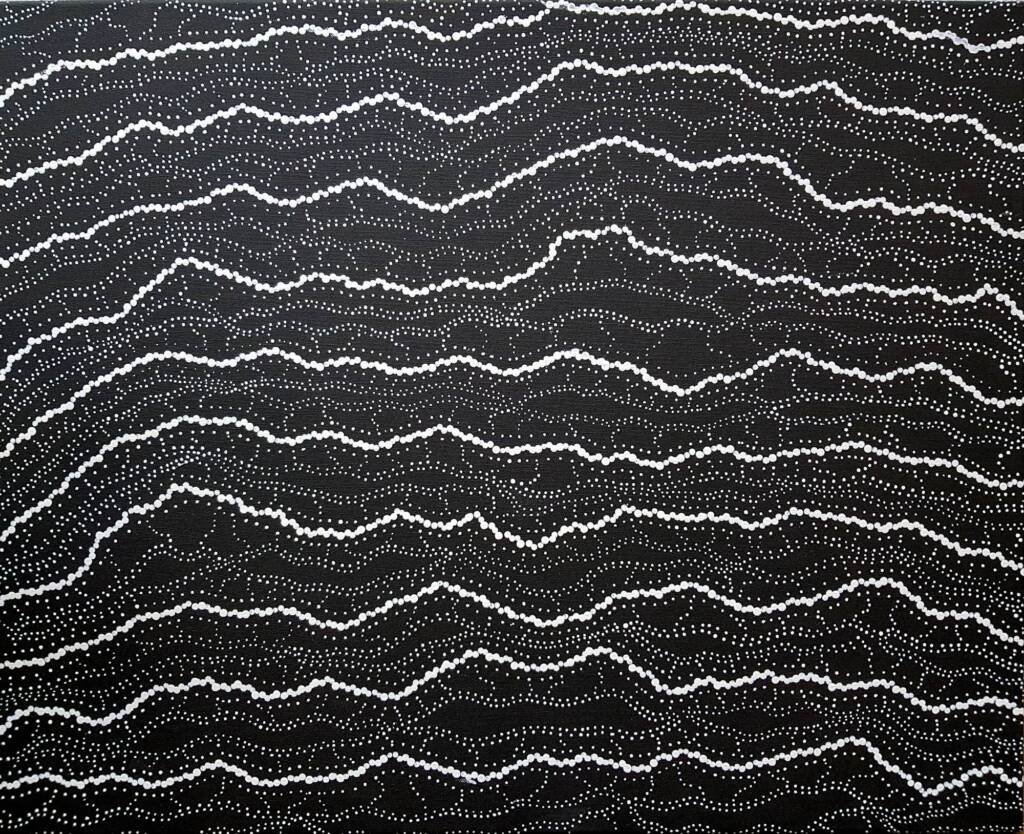
Image (featured at top): Karntakurlangu Jukurrpa by Dorothy Napangardi © Gallery Gondwana
Following are some additional resources about the Dreaming / Dreamtime:
Footnote & References
- ‘Dreamtime’ and ‘The Dreaming’ – an introduction (3 part article)
Christine Judith Nicholls, Senior Lecturer, Flinders University - ‘Dreamtime’ and ‘The Dreaming’ – an introduction, The Conversation under a Creative Commons license. Read the original article.
Aboriginal DreamingBrolga Dreaming Flowers of Blood How the Perentie and Goanna got their Colours Gnoilya (Wild Dog) Tmerga Water Dreaming
Aboriginal Art & CultureAboriginal Art Centres Aboriginal Art Centres Aboriginal Dreaming Aboriginal Symbols
Art & CultureAboriginal Artists Artists Aboriginal Art & Culture Literary and Poets