
Alice Springs Desert ParkFauna Flora Nature Theatre Nocturnal House
This is one of our favourite attractions in Alice Springs, having visited it many times over the years. Different times of the years, bring different experiences and the evolving Birds of Prey show changes as well with new introductions of birds and on occasions other animals. Of course the Nocturnal House is also very special and the place to be when the summer temperature rises.
Located at the base of Mount Gillen, the Alice Springs Desert Park is your essential introduction to Australia’s desert, showcasing the landscapes, animals and plants of central Australia’s and their traditional use and management by the Aboriginal people.
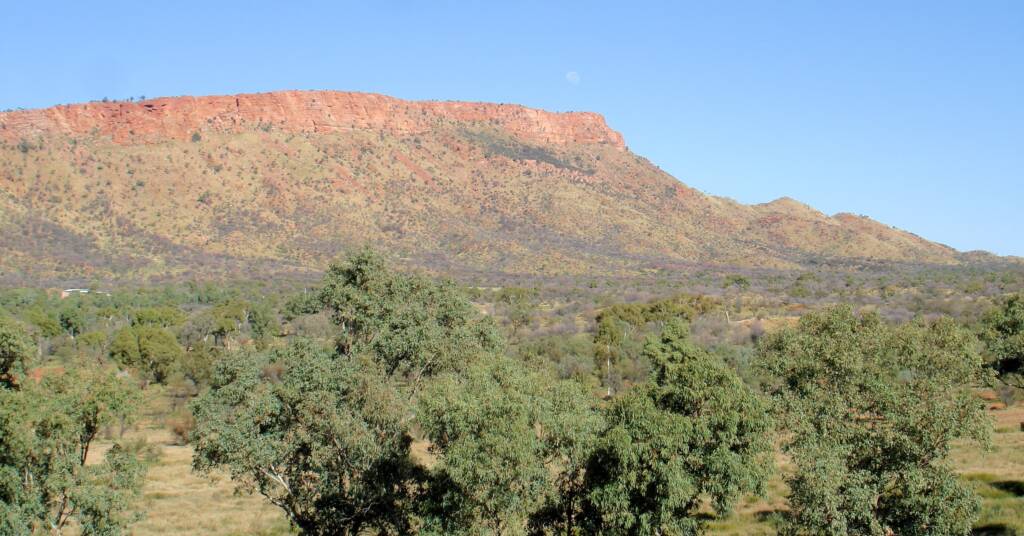
Nestled into the spectacular West MacDonnell Ranges and at the foot of the iconic Mount Gillen, the park introduces a new dimension in environmental presentation through the integrated display of the plant, animal and human elements of Australia deserts. The introduction to the incredible subtle richness of Australian deserts encourages the further exploration of the regions spectacular network of national parks and reserves. It is indeed a a great way to introduce yourself to the area, especially those venturing out on tours through the region.
The park is divided into three typical desert habitats that include the Desert Rivers, Sand Country and Woodland. There are a number of ‘Guide Presentations’, aviaries (including walk-in ones), Nocturnal House, free-flying birds of prey in the Nature Theatre, and Exhibition Centre.
For those planning a visit, an ideal length of time to allocate is 4 hours or more. This will allow for at least one guided presentation, the Nature Theatre Birds of Prey Show, a visit to the three desert habitats, and the Nature Theatre Presentation. For those with only a couple of hours to spare, the Nature Theatre Display, the Nocturnal House and maybe a quick walk through the aviary and Desert Rivers Habitat is a good start, with the hope you can come back for a longer visit.
Visit their website www.alicespringsdesertpark.com.au for opening hours, tickets and Desert Park brochure and park map.
Did you know
Following are the Aboriginal Seasons for Central Australia (Anangu Pitjantjajara)1:
- Wanitjunkupai — April-May
- This is the start of the cold weather, when repitles start to hibernate (Wanitjunkupai means ‘hibernate’). The appearance of clouds from the south without rain, brought in by the westerly winds.
- Wari — Late May June July
- This is the cold period when in the morning there is nyinnga (frost) and kulyakulyarpa (mist or dew)..
- Piriyakutu / Piriya-Piriya — August to September
- This is when priya comes. This is a warm steady wind from the north and west. The honey grevillea is in bloom and animals are breeding. Food including flowers, fruit and seeds are in abundance. A good time for hunting malu (kangaroo).
- Mai Wiyaringkupai / Kuli — December
- This is the hottest season. Ngangkali (storm clouds) and wangangara (lightning), but little rain. There is not much food around, and lightning strikes can start fires.
- Itjanu / Inuntjji — January February March
- Utuwari (overcast clouds) that usually bring rain. Bush food plants are flowering, and if rain falls, there will be plenty of fruit and seed.
Check out some of our images from Alice Springs Desert Park.
Alice Springs Desert Park Flora Images
Set against the wonderful backdrop of the West MacDonnell Range and Mount Gillen, the desert park is packed full of examples of arid desert plant life, many of which form part of the Indigenous cornucopia of bush medicine and bush tucker.
Following are some flora images taken at the Alice Springs Desert Park.
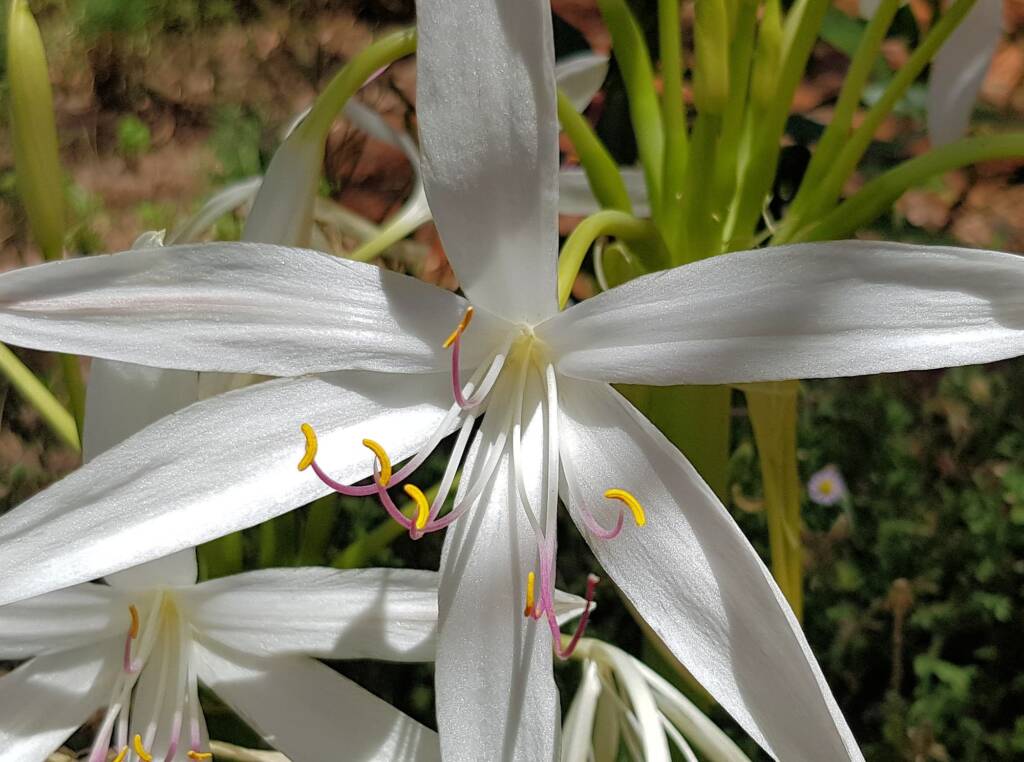
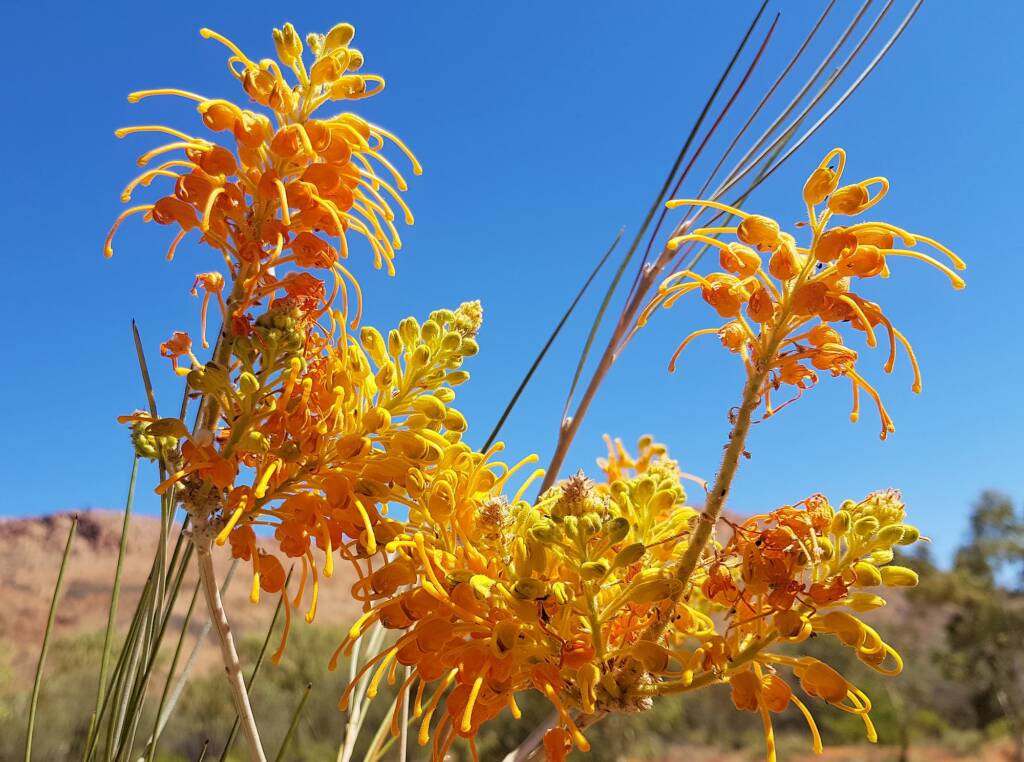
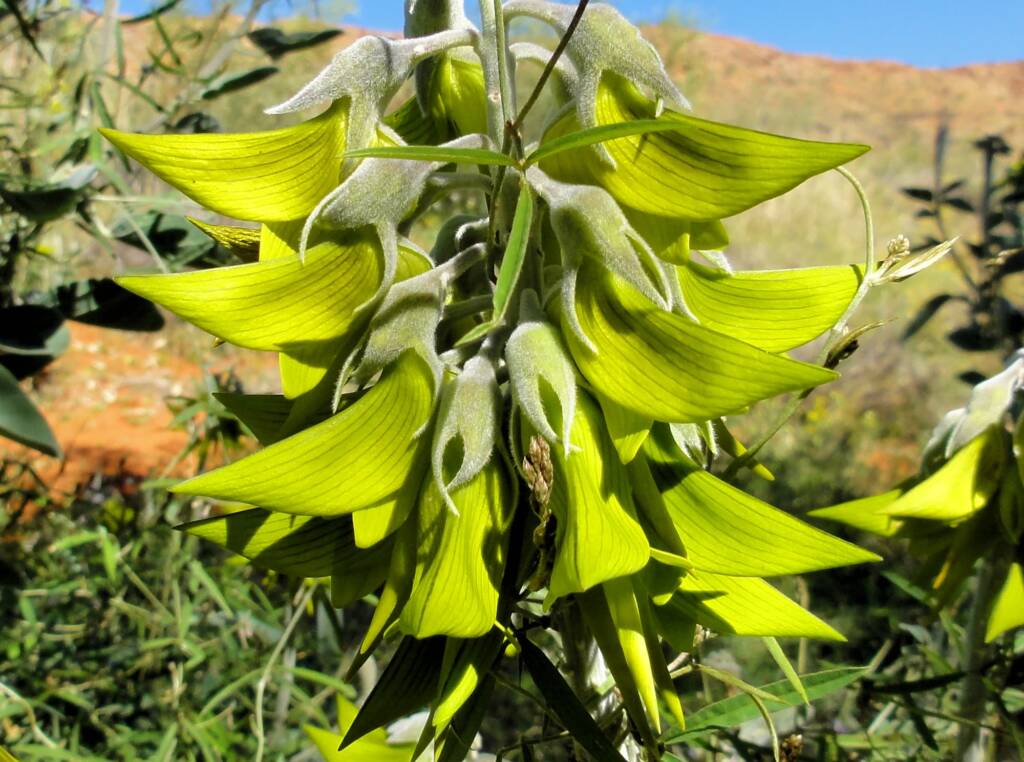
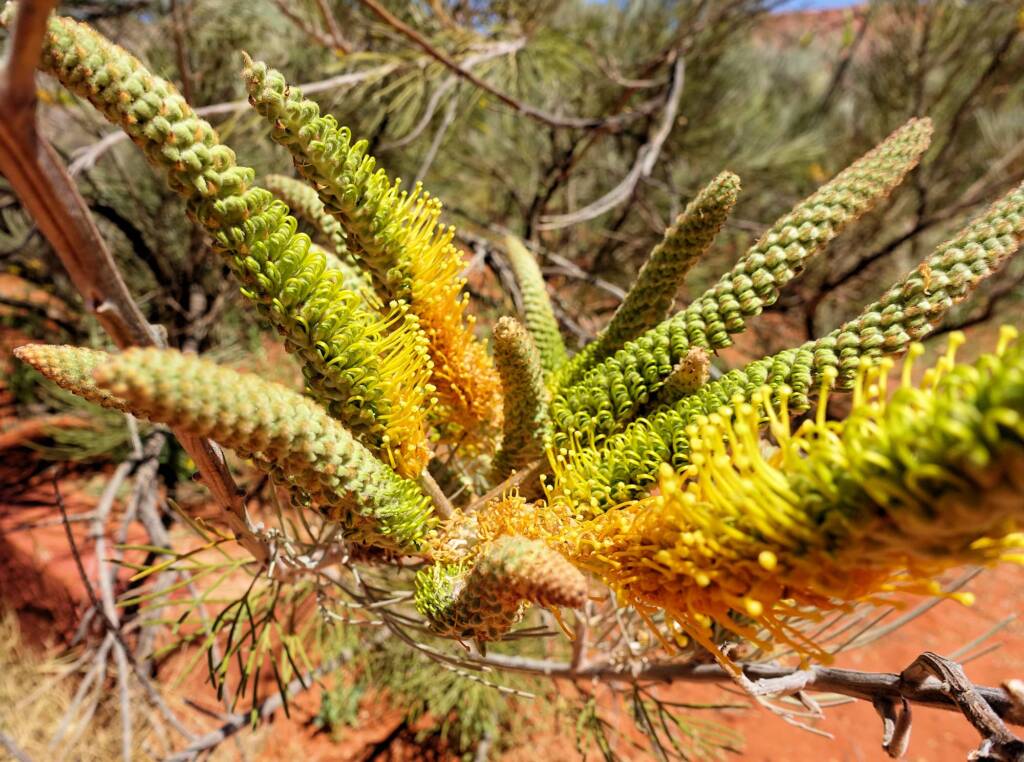
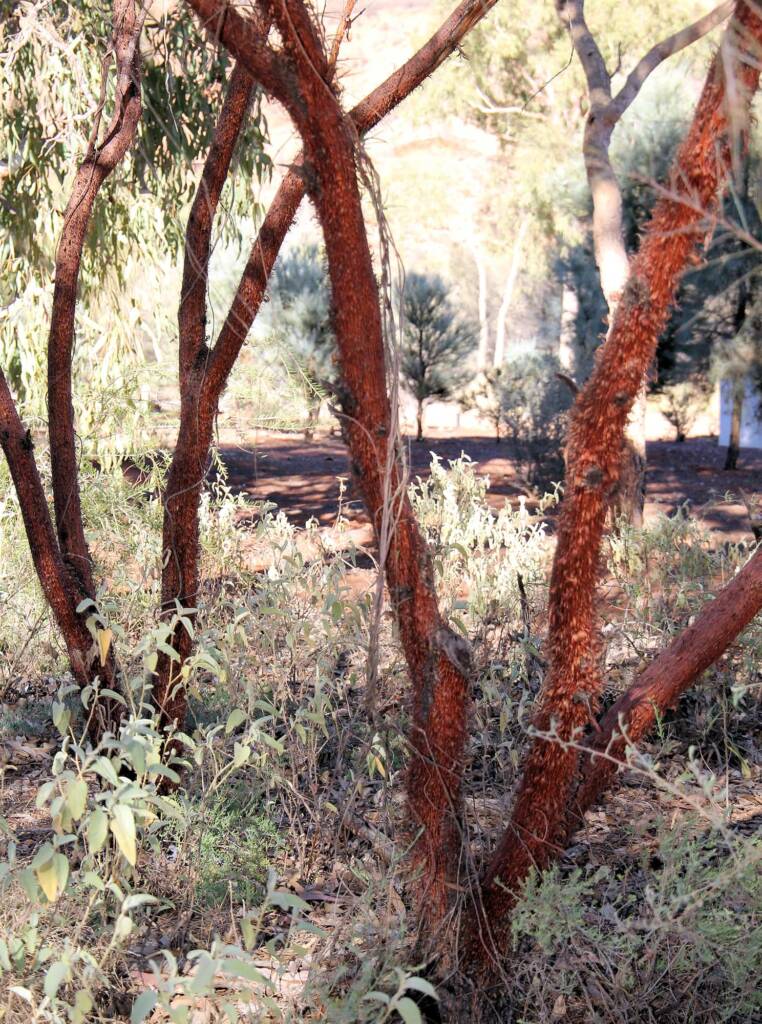
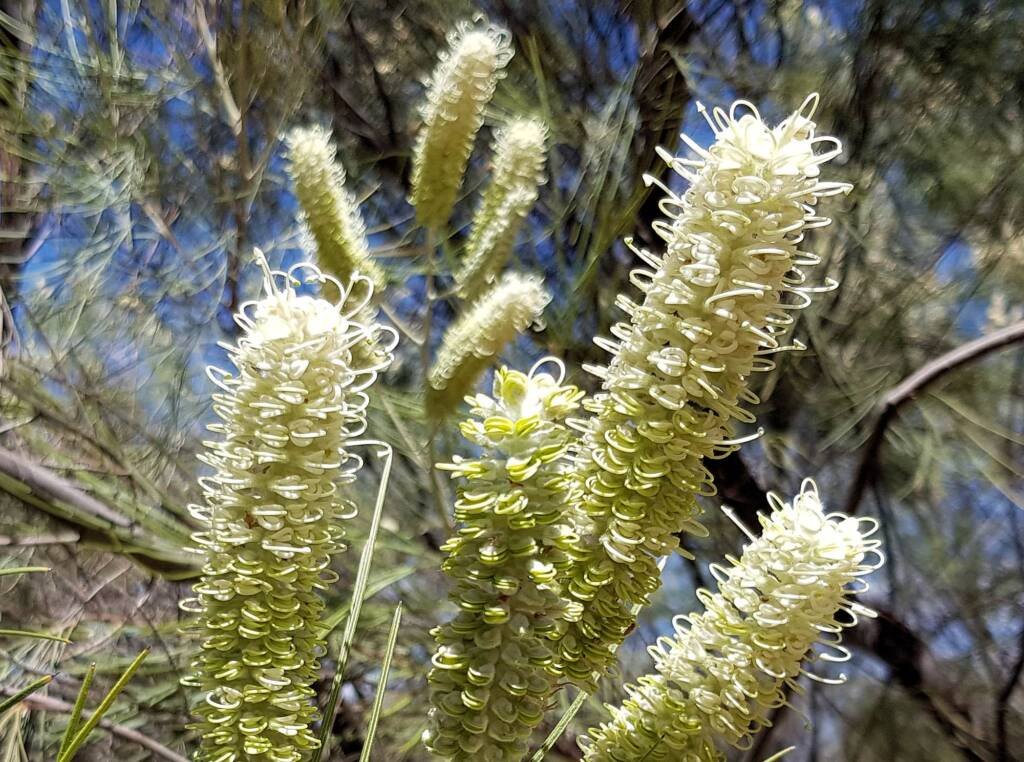
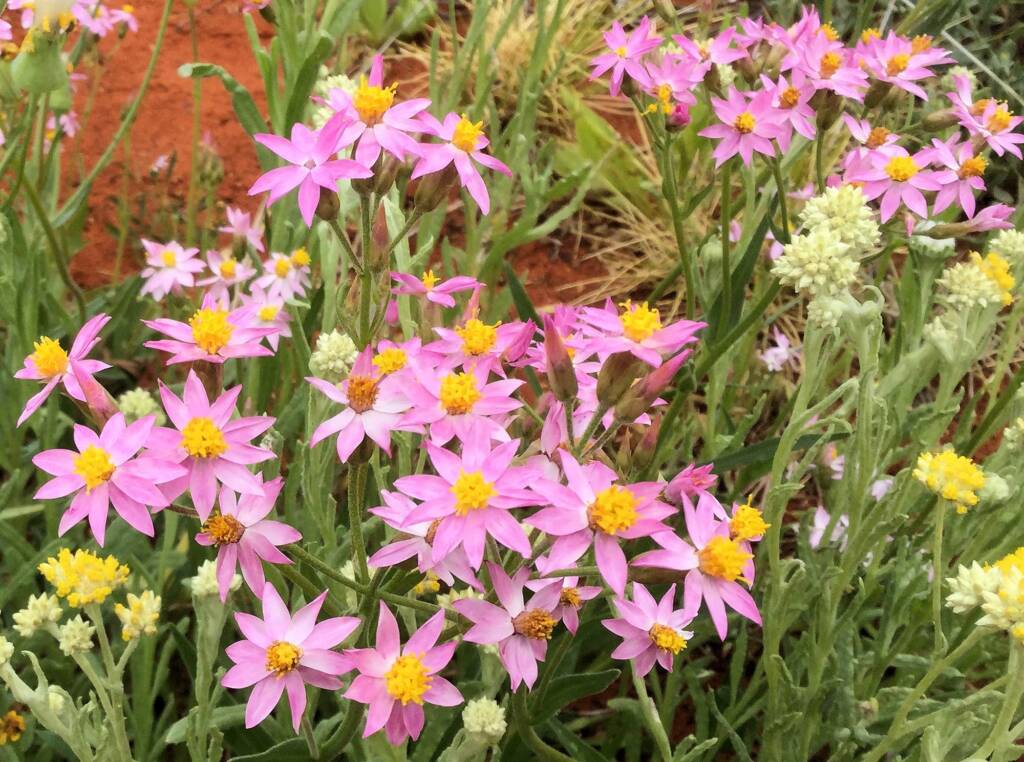
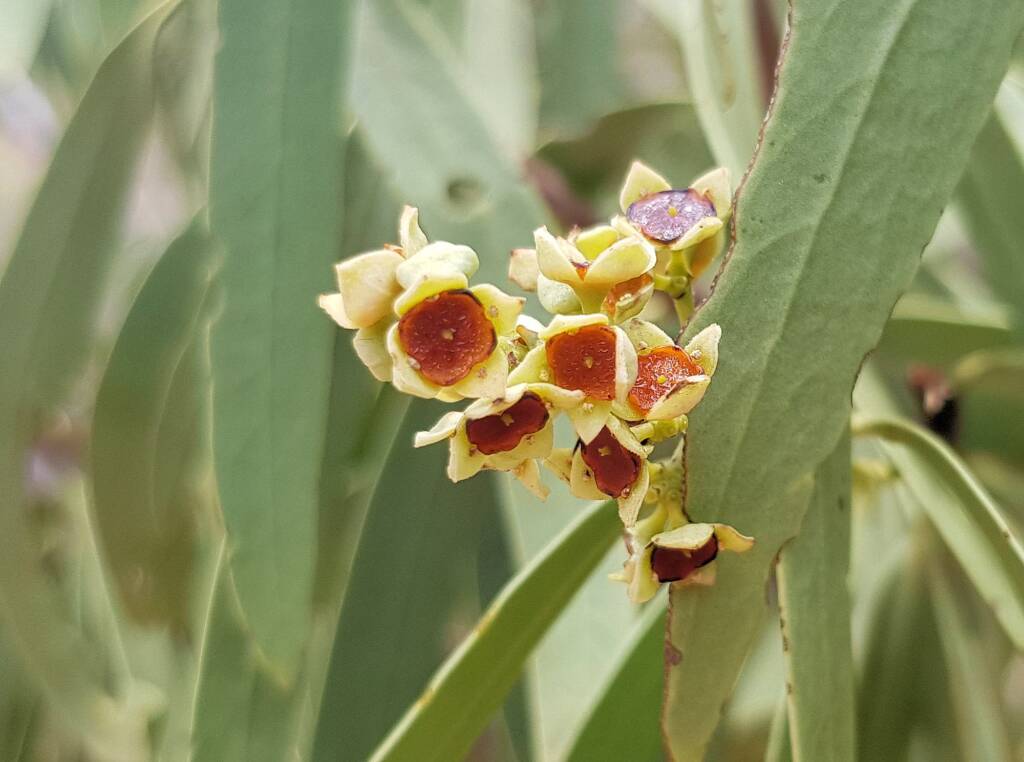
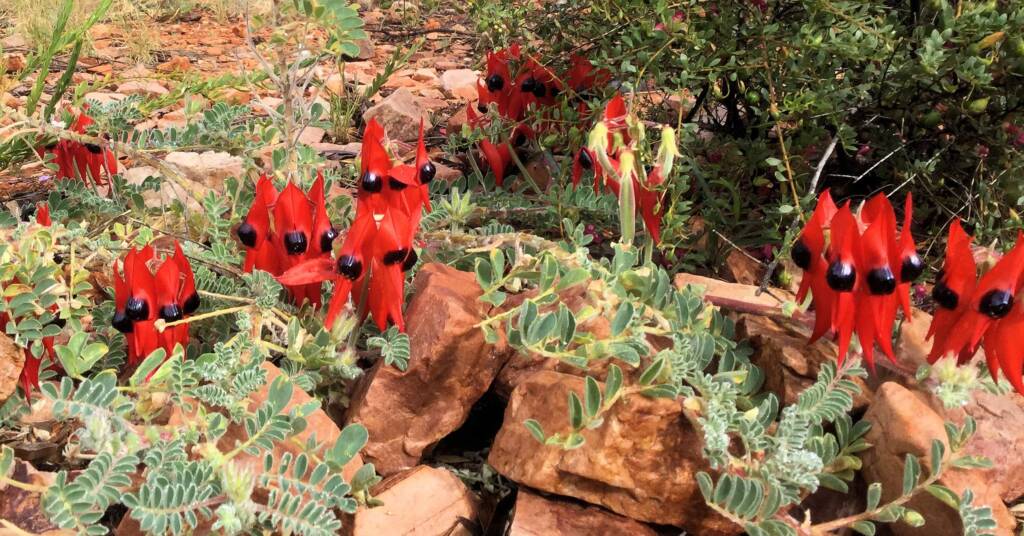
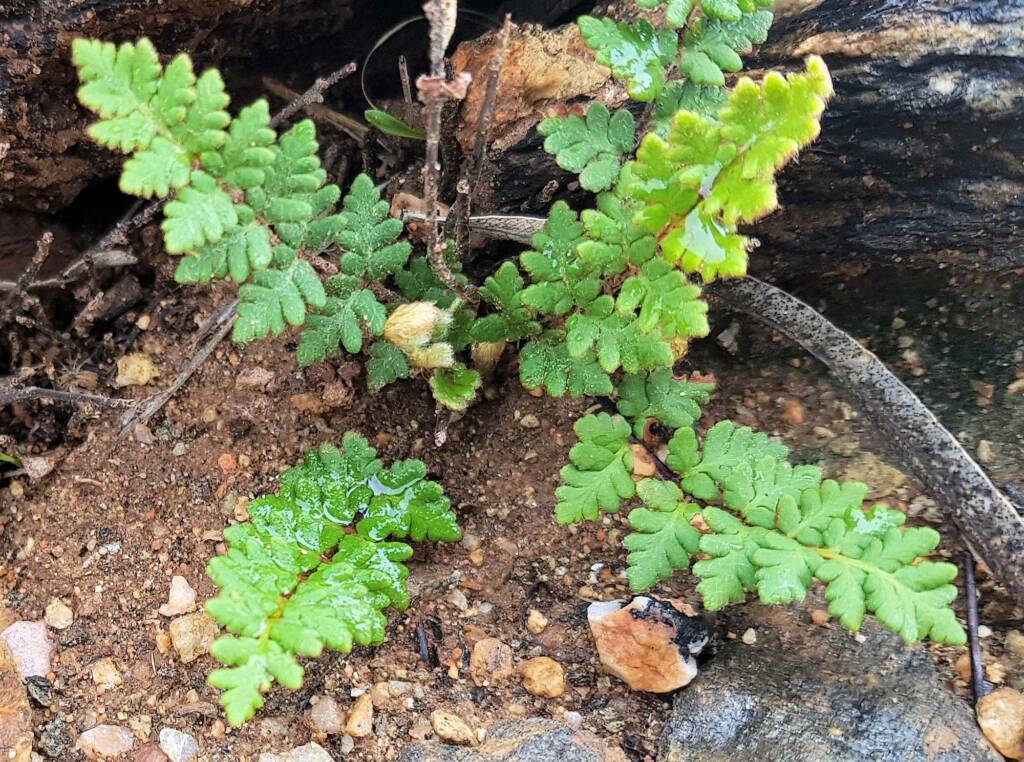
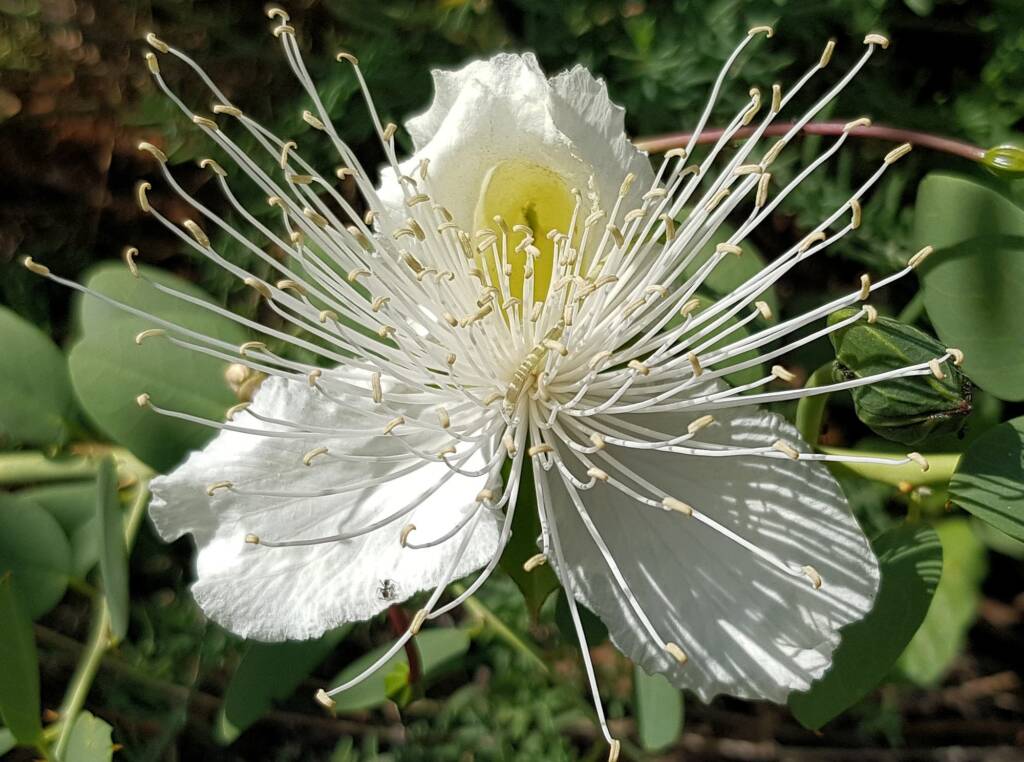
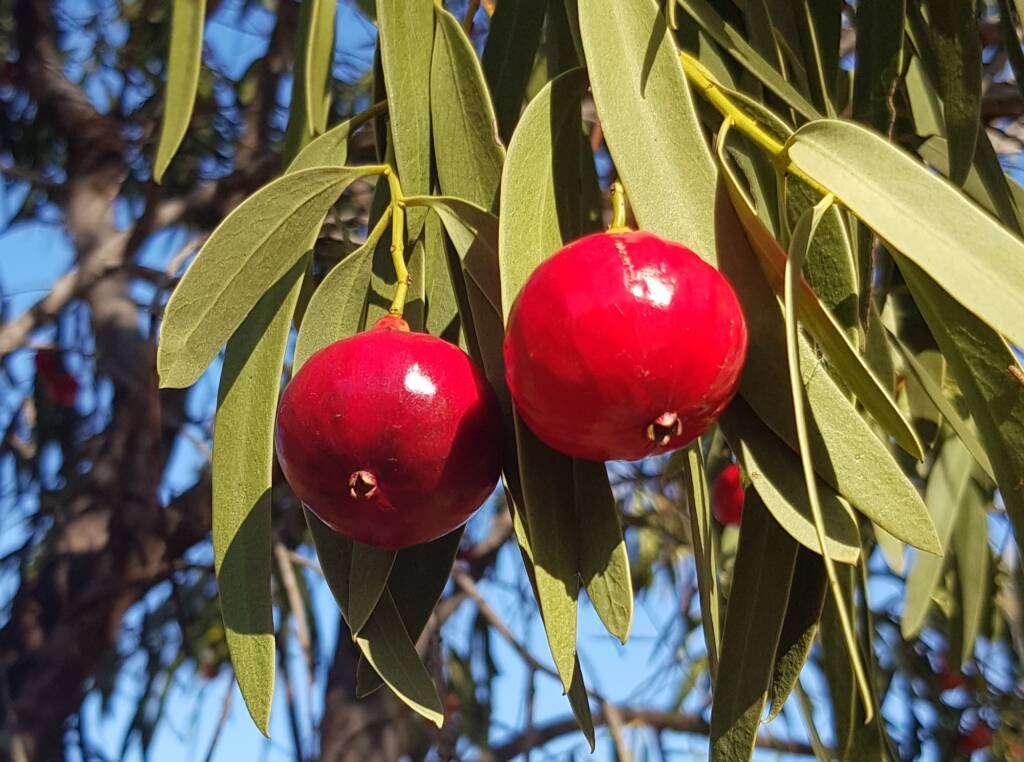
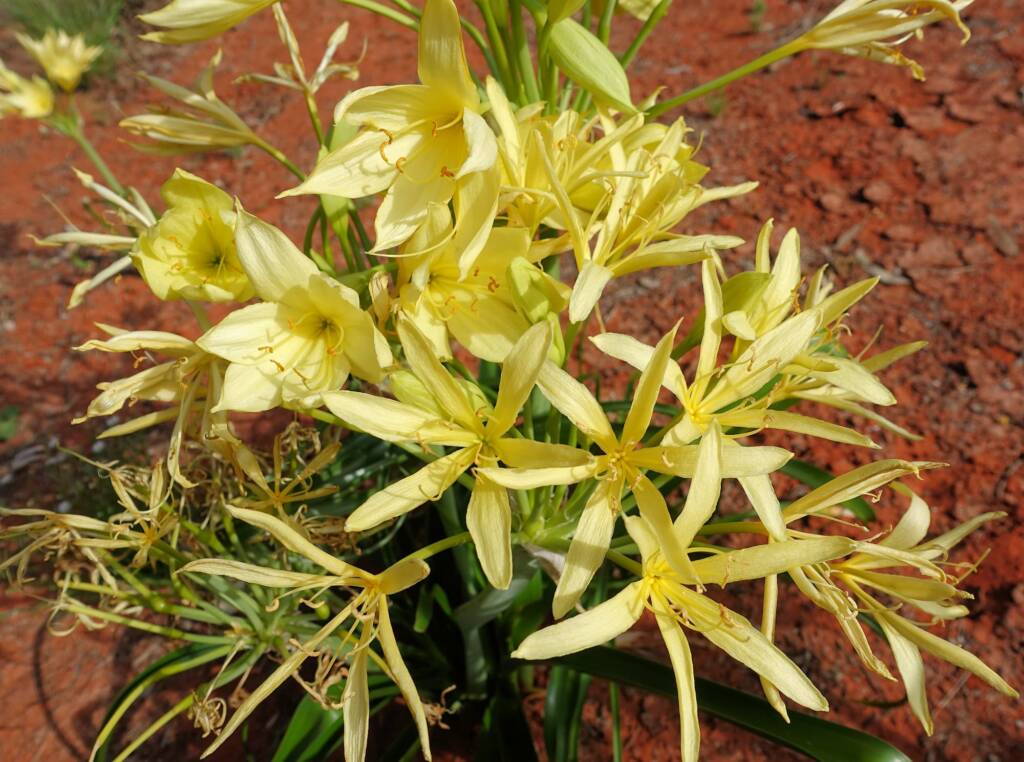
Check out our current listing of Alice Springs Desert Park flora.
Alice Springs Desert Park Fauna
The Alice Springs Desert Park provides the opportunity to see many of the wildlife that live in Central Australia. From the many enclosures that also include walk-in enclosures, the renowned Nocturnal House, the popular Birds of Prey Show, and the Nocturnal Tour, visitors will be able to view up close some species that are very rare to see in the wild. Of course when walking around the park, keep your eyes out for the non caged creatures that live in the park.
Check out our current listing of Alice Springs Desert Park fauna.
Alice Springs Desert Park Nocturnal House
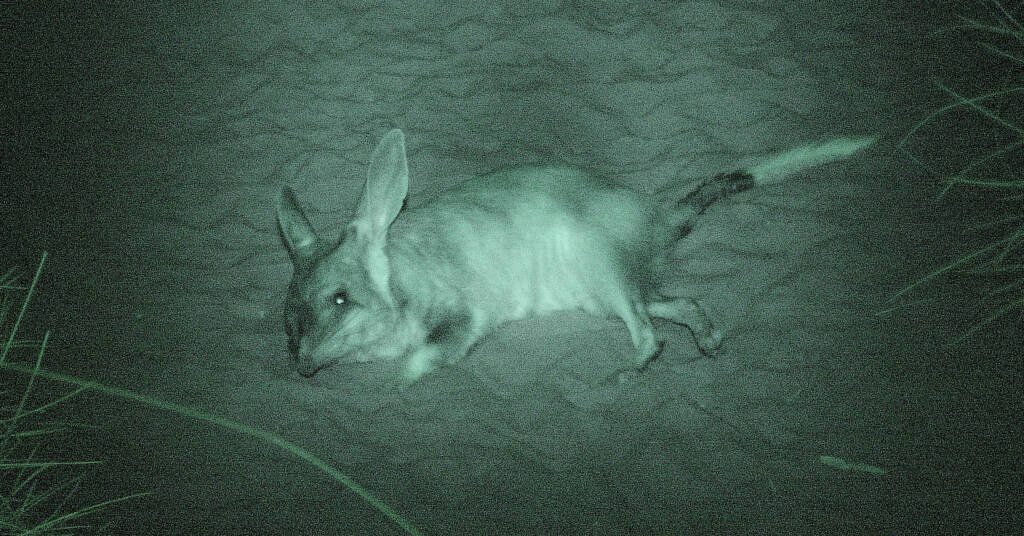
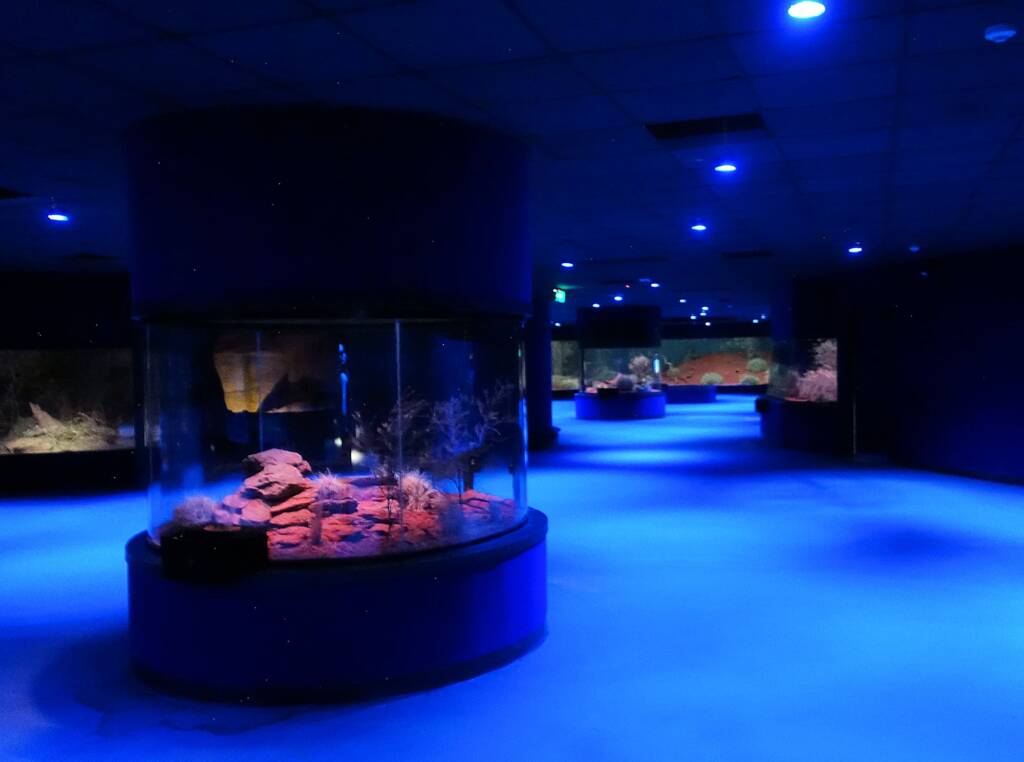
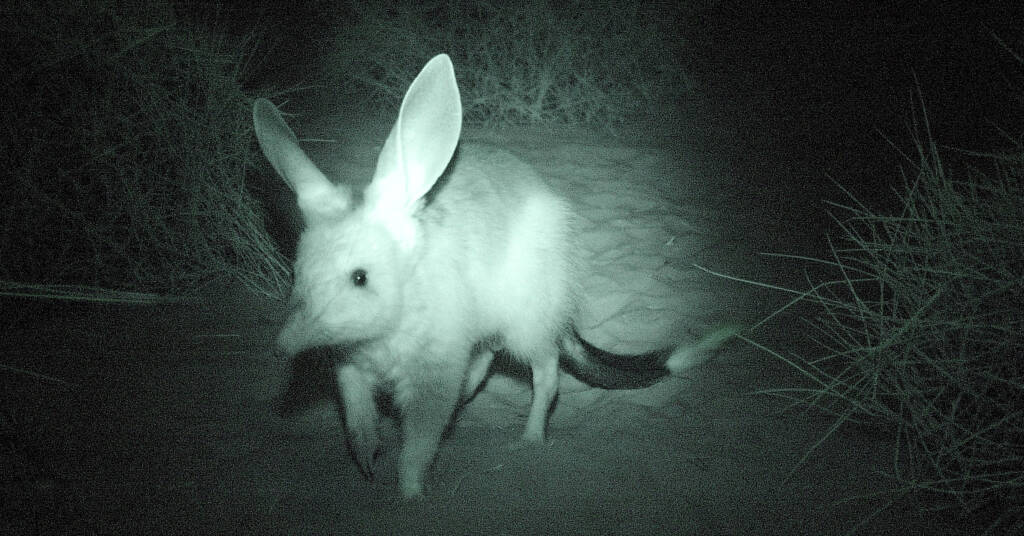
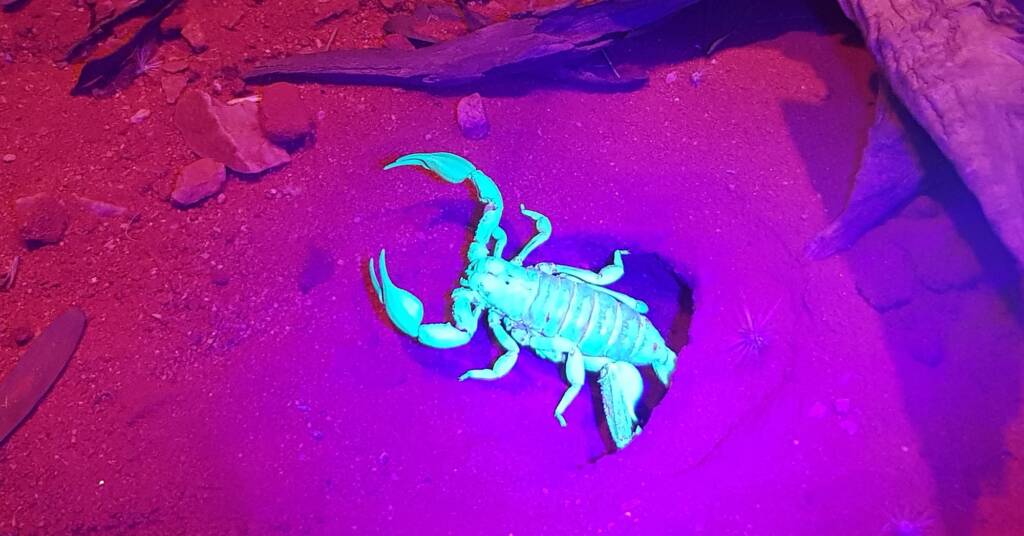
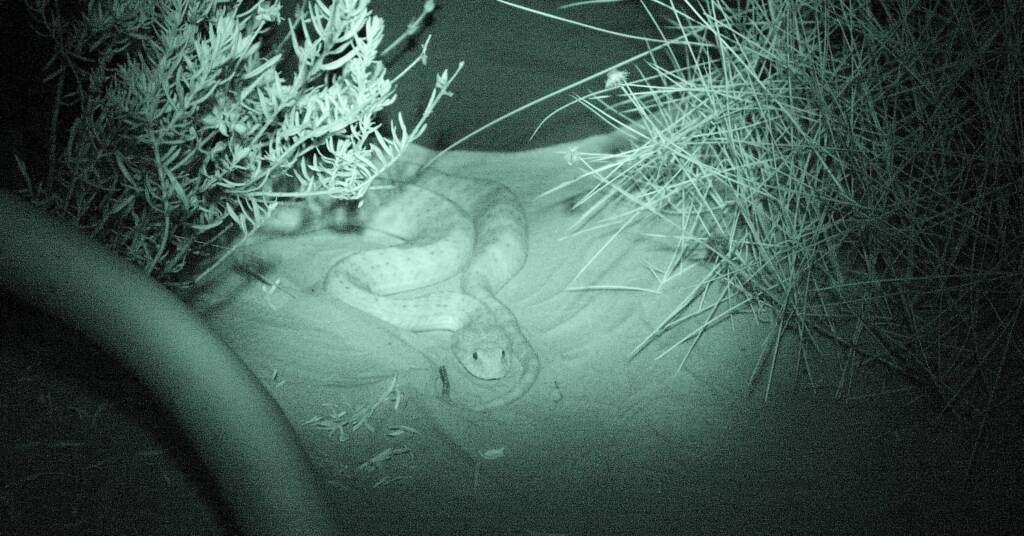
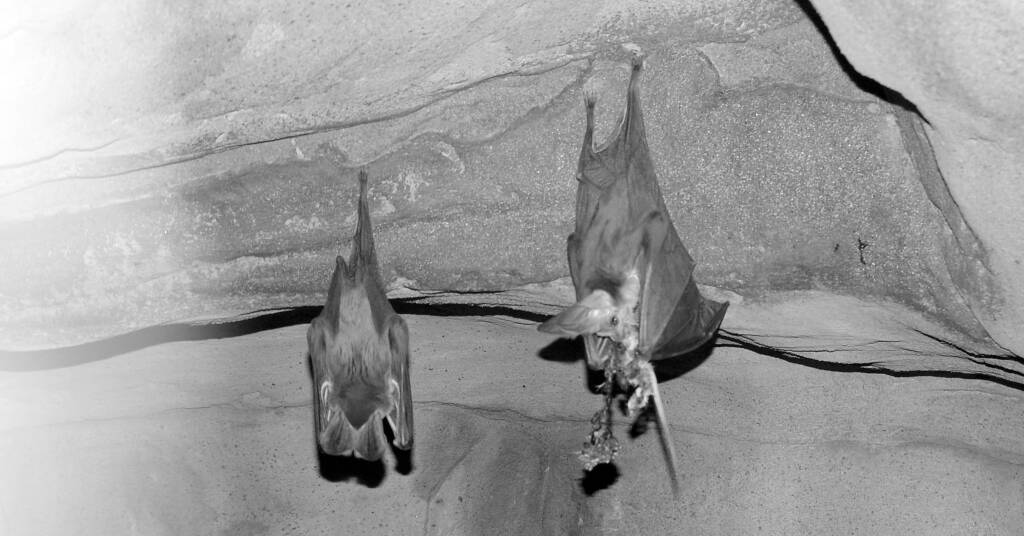
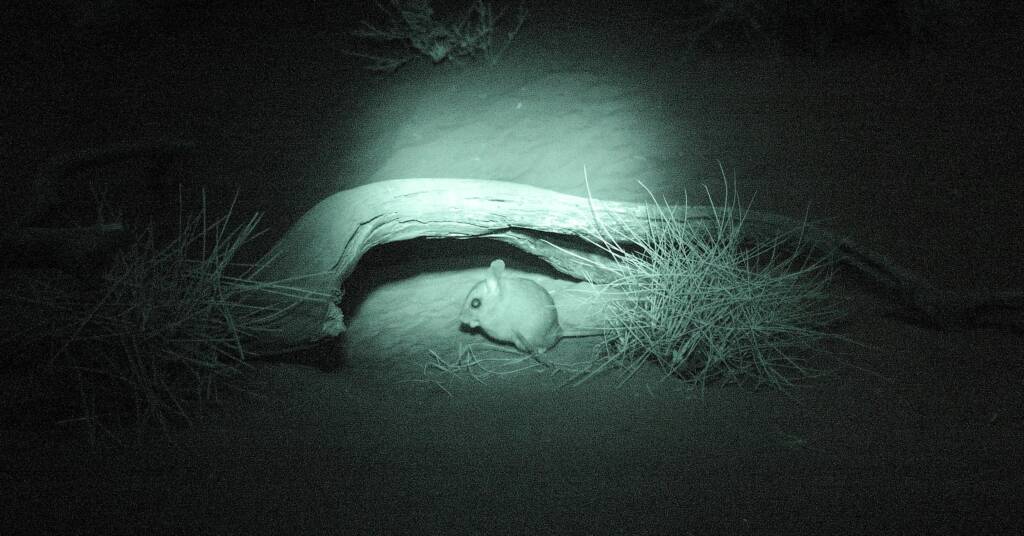
The Alice Springs Desert Park Nocturnal House is recognised world wide as one of the best, providing the opportunity to view wildlife that only come out at night. The park also provide examples of wildlife in the other enclosures including walk-in avaries. Keep your eyes open for free-ranging wildlife including a variety of local lizards and insects.
Check out our images from the Alice Springs Desert Park Nocturnal House.

Alice Springs Desert Park Birds
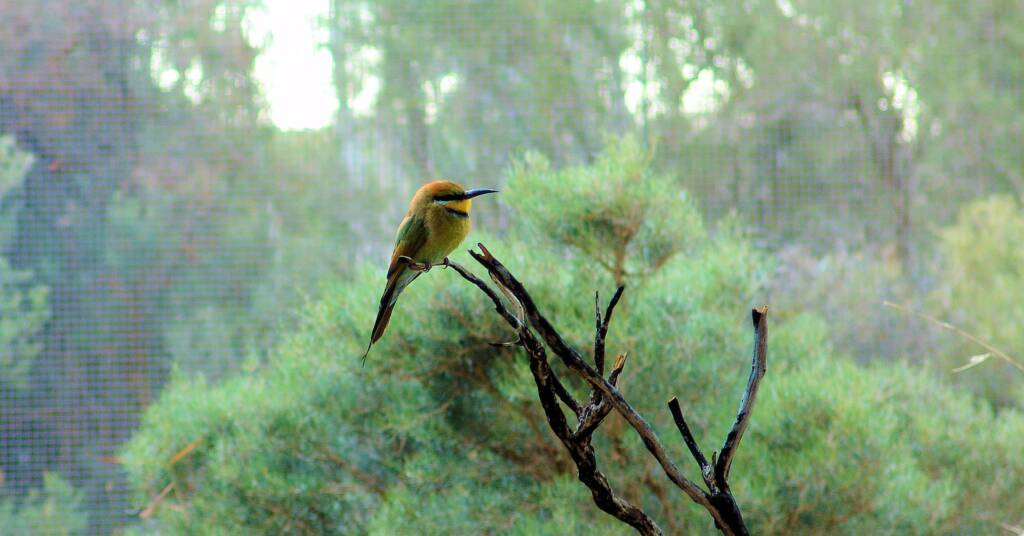
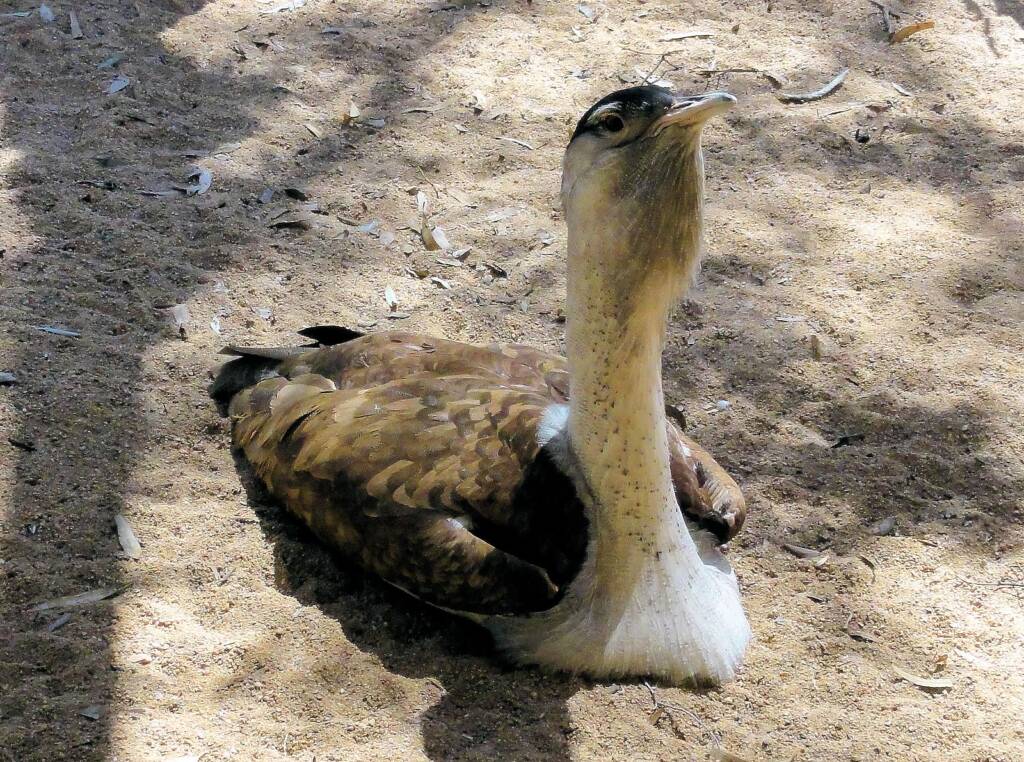
A major feature of the park are the number of birds on display throughout the park in enclosed and walk-through aviaries, as well as the non-captive birds.
Check out our images of Birds in the Alice Springs Desert Park.
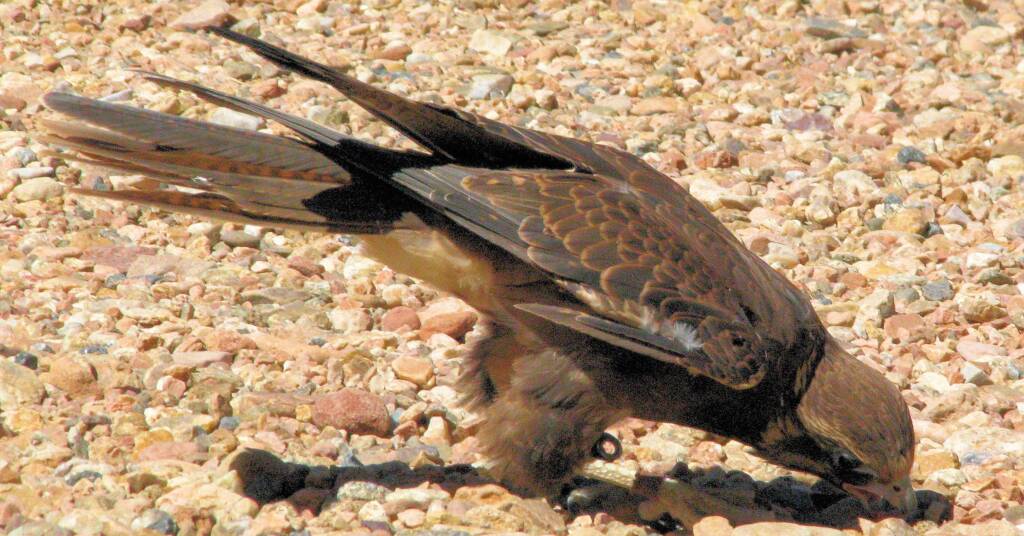
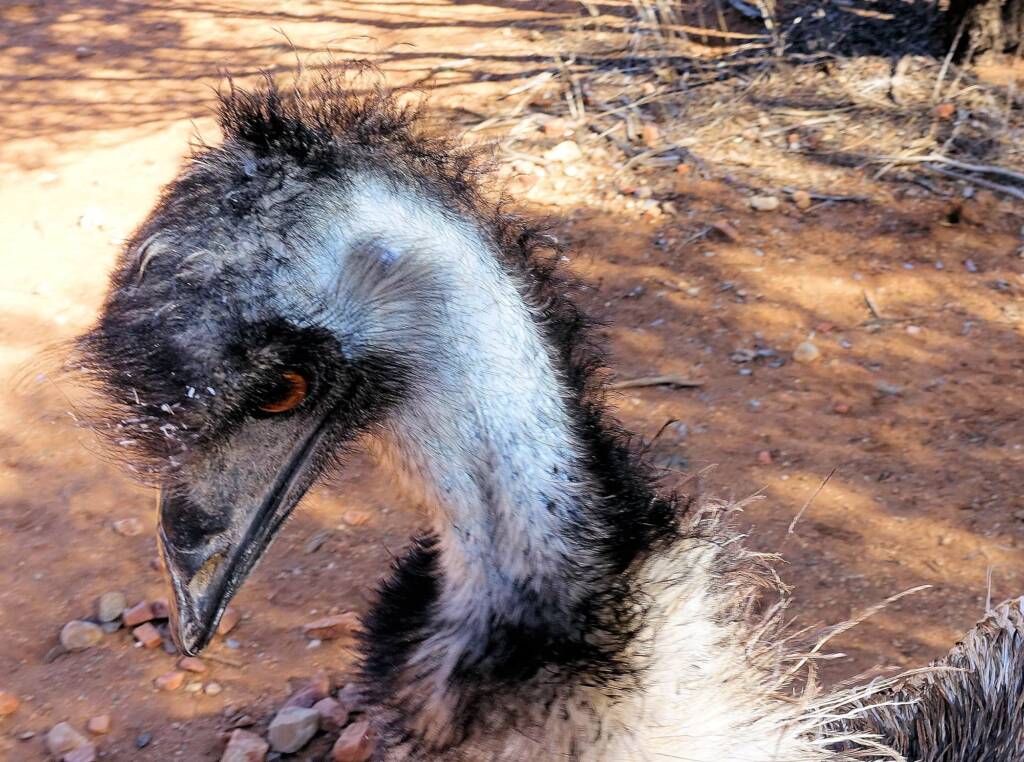
Alice Springs Desert Park – Nature Theatre
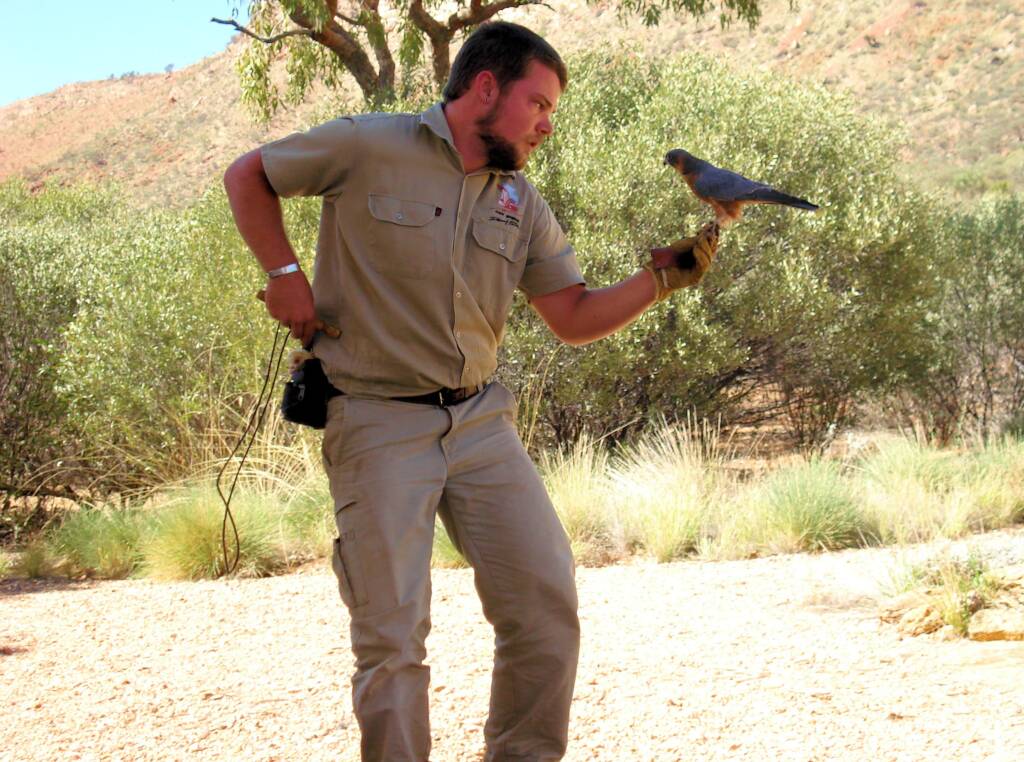
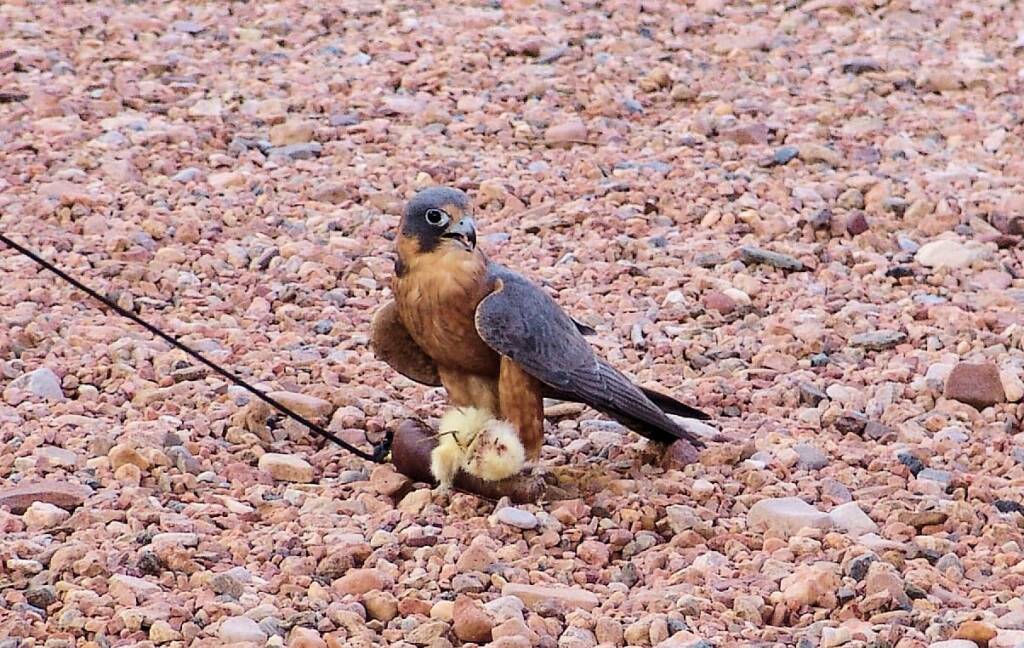
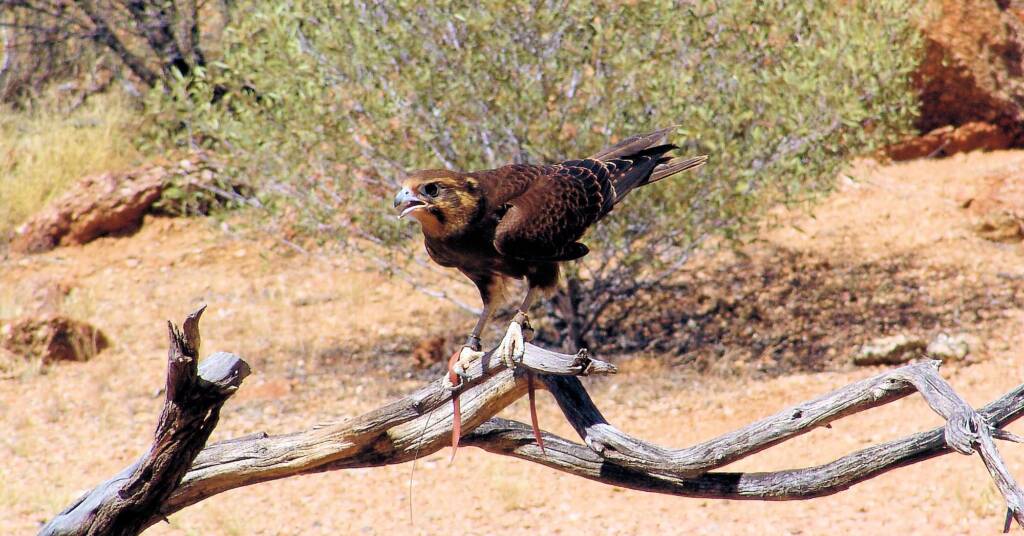
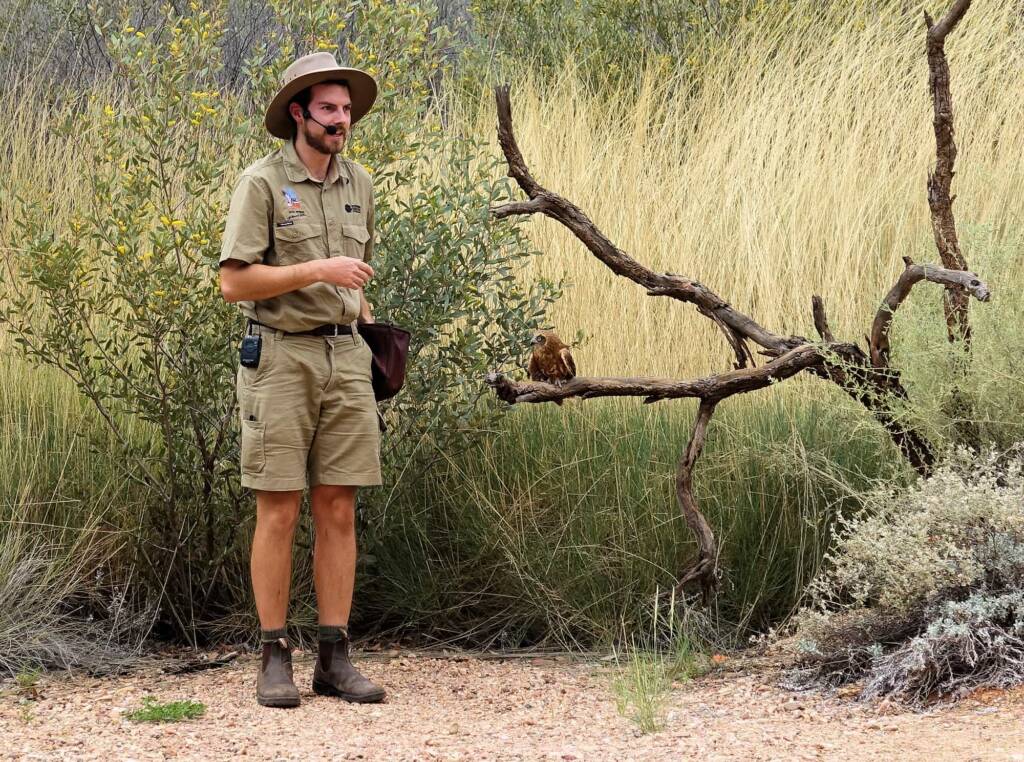
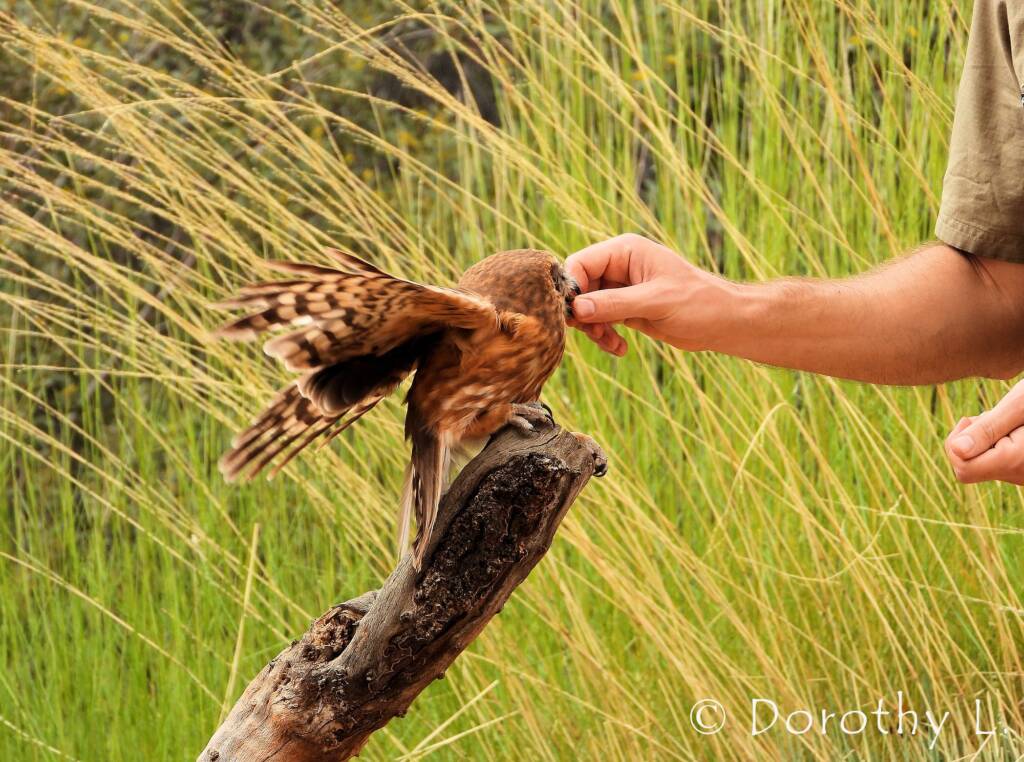
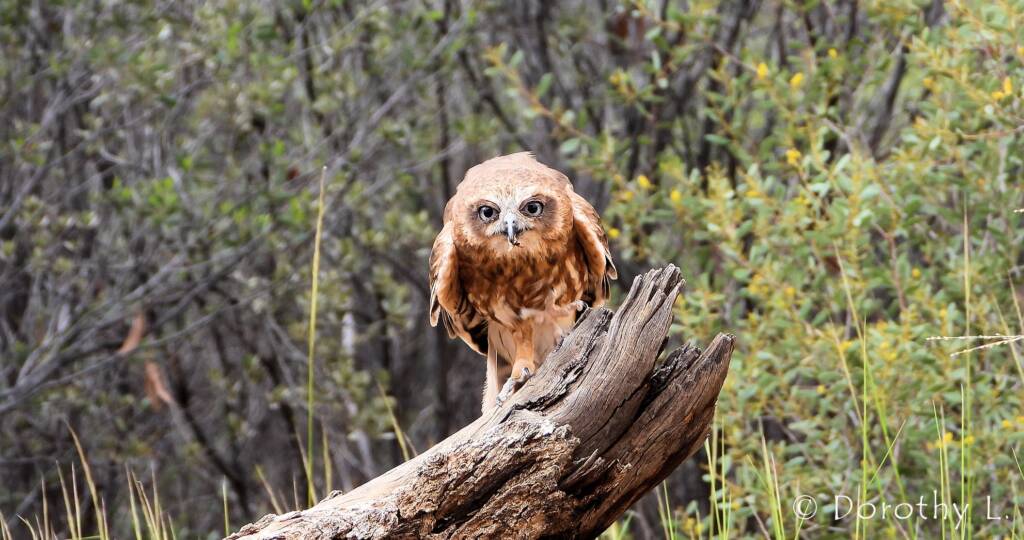
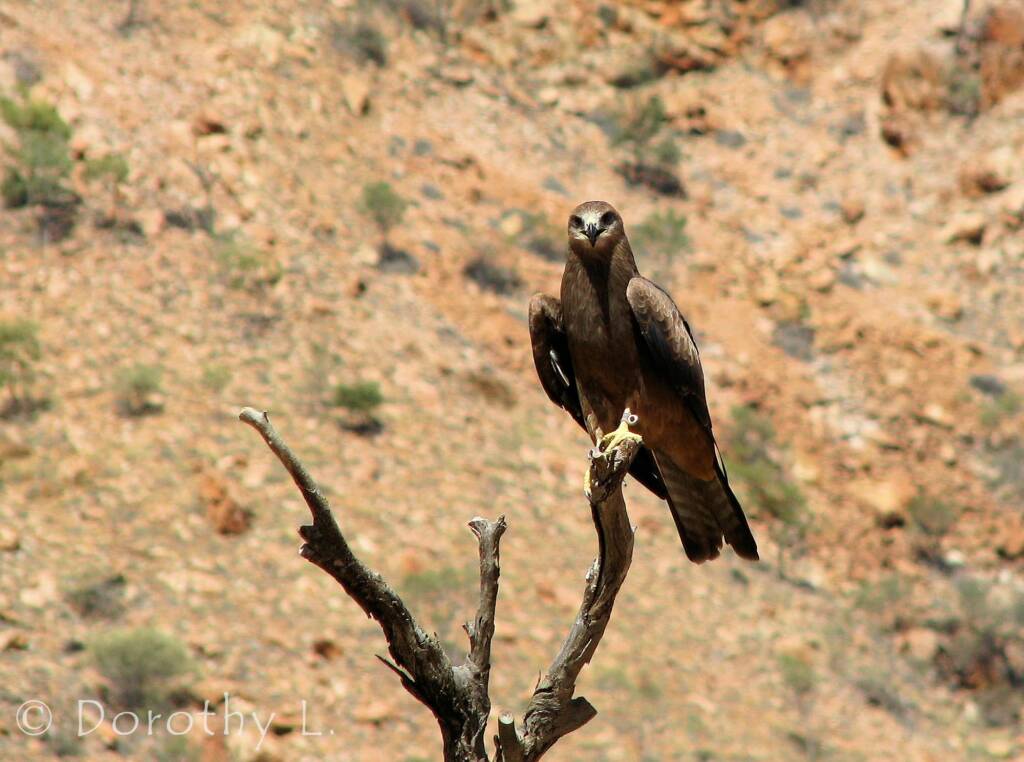
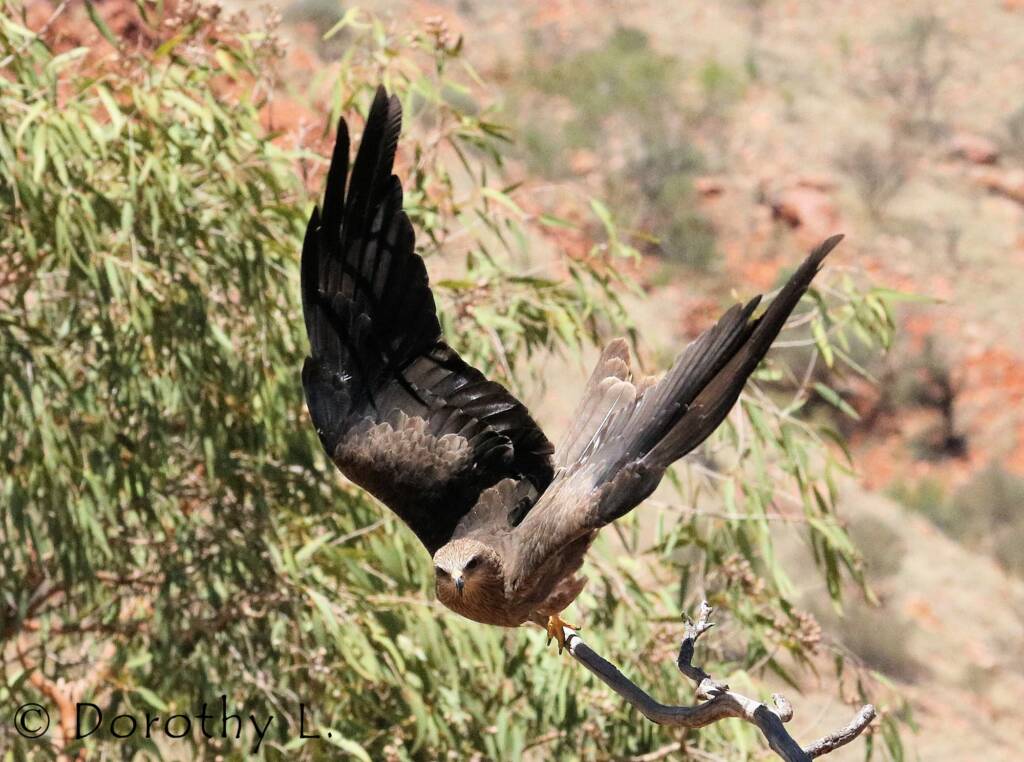
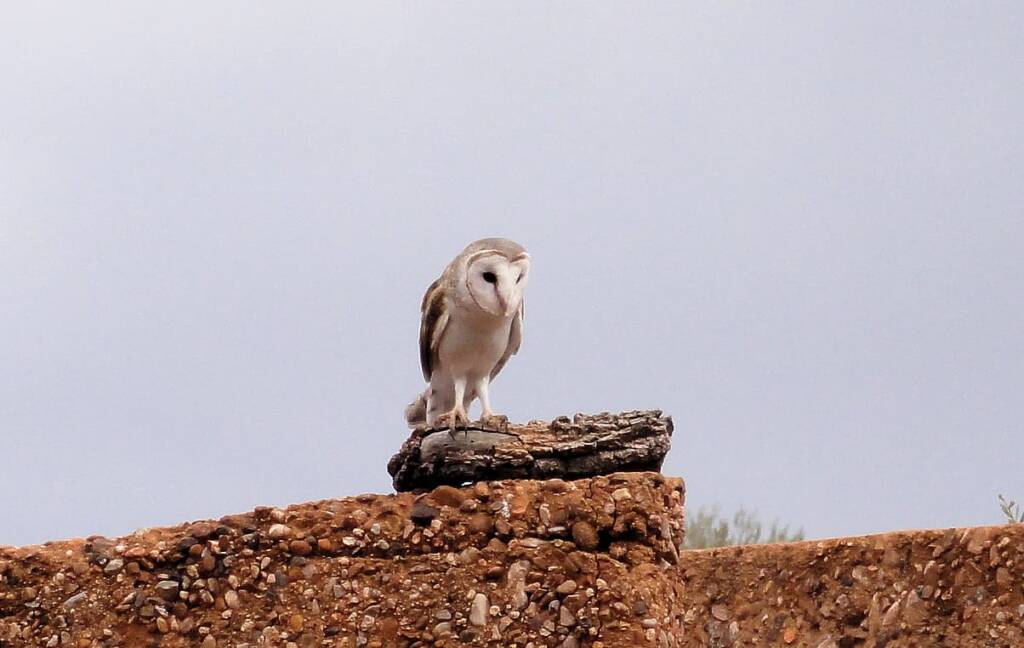
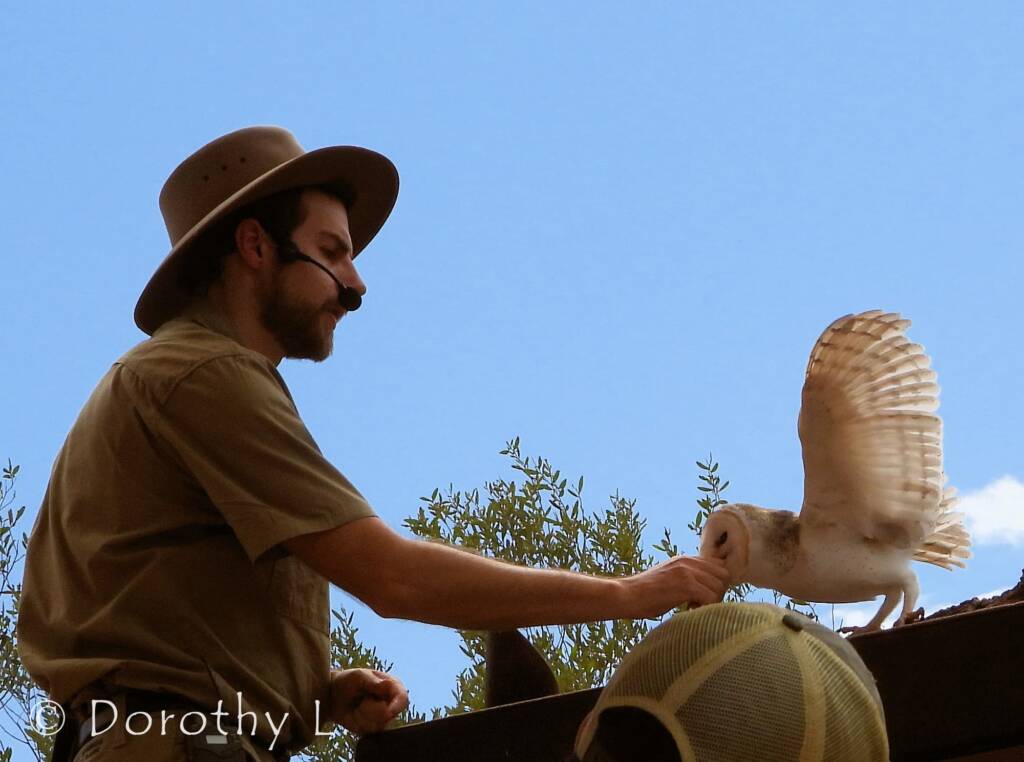
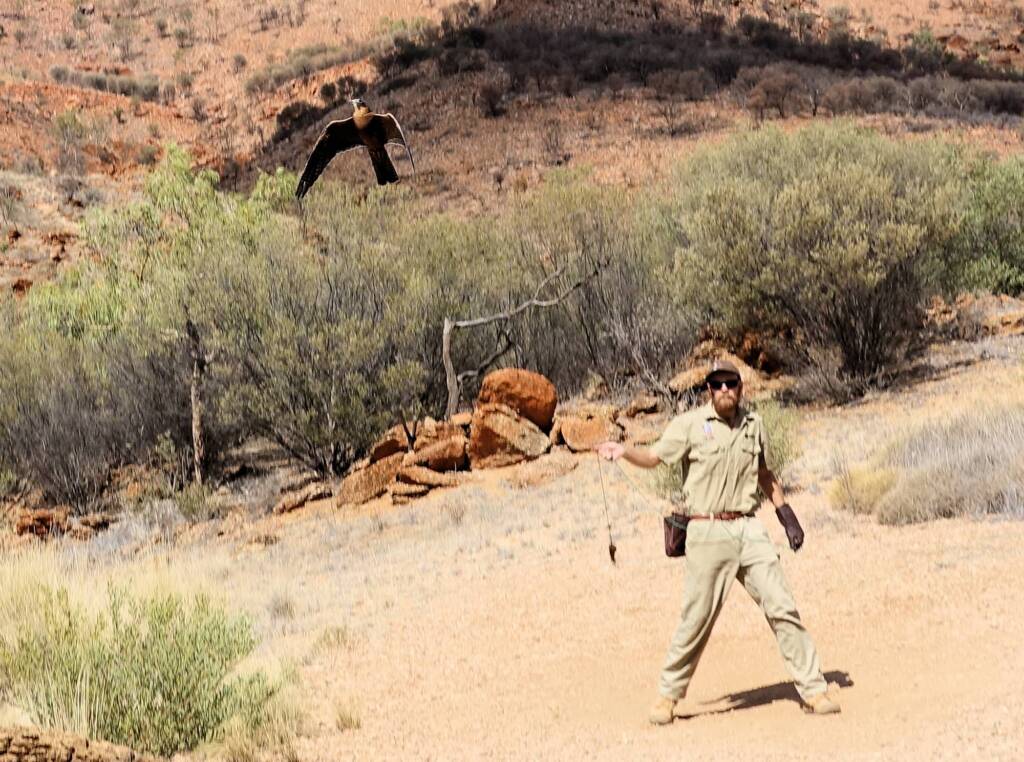
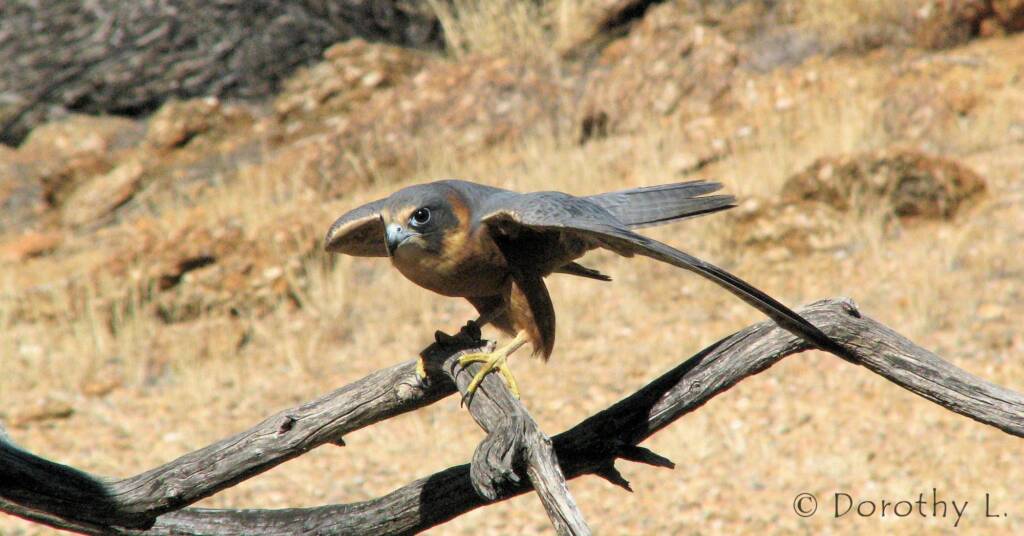
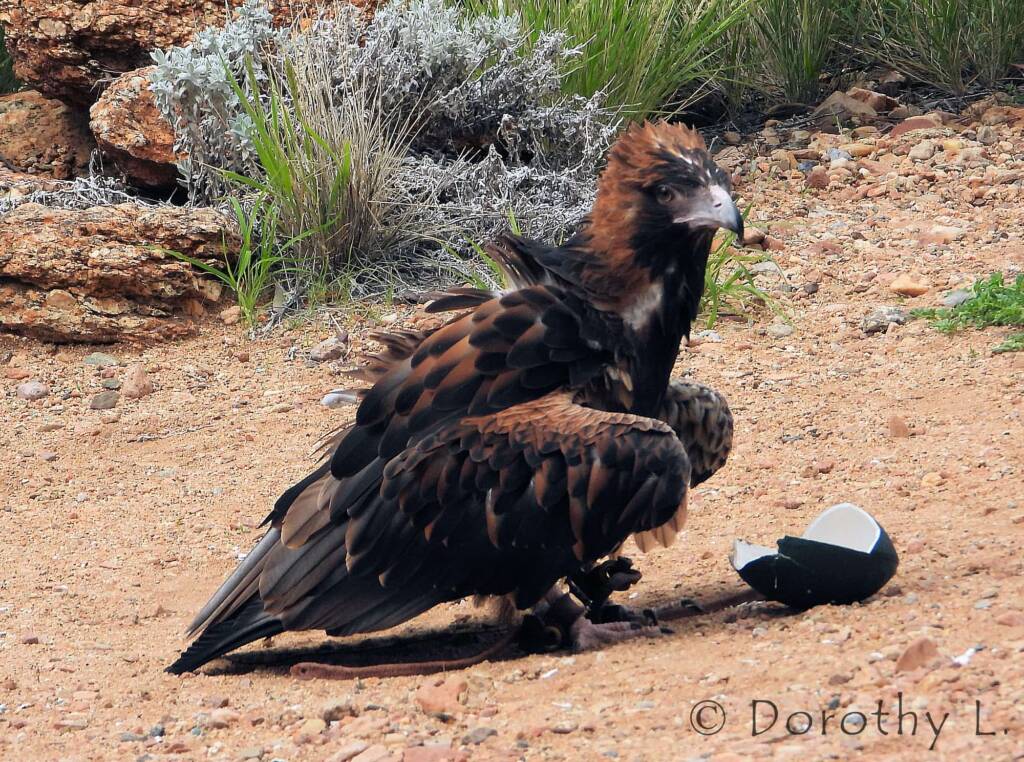
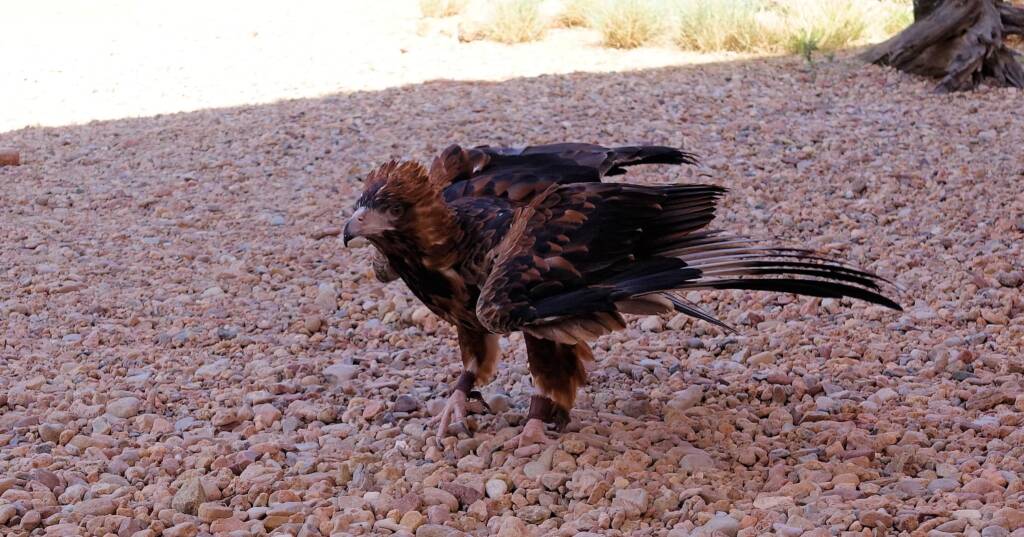
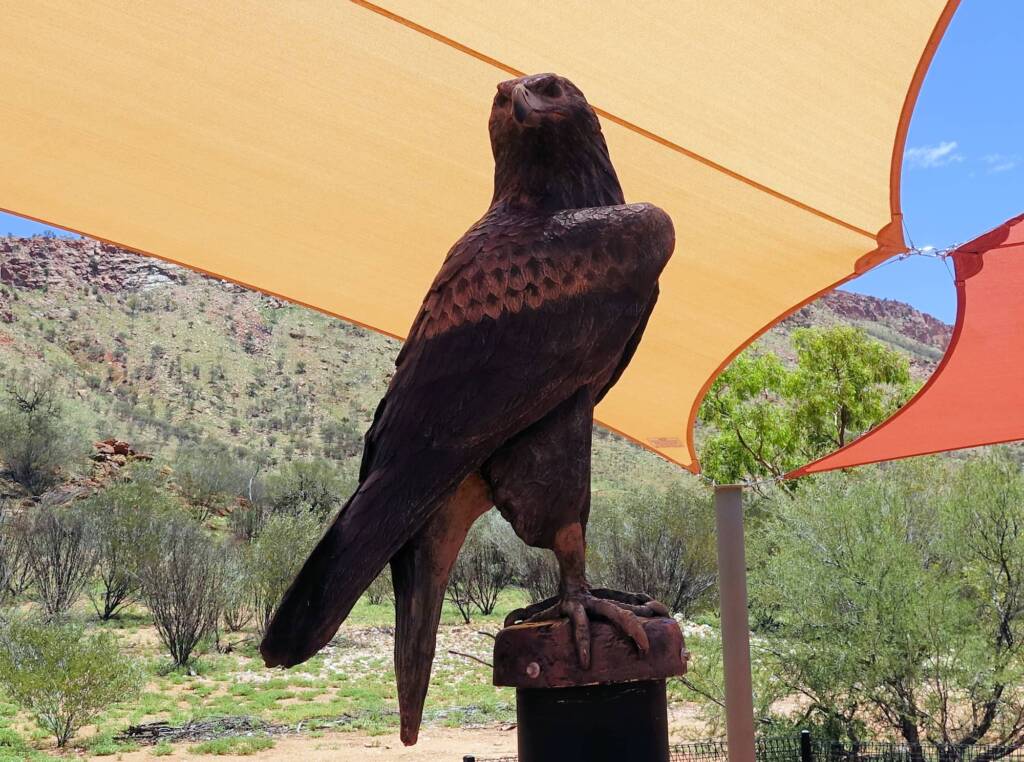
The Nature Theatre is a popular highlight providing a free-flying ‘bird of prey show’. The show changes depending on time of year and circumstances, as well as the birds themselves. If you are lucky, on occasions there may be guests appearances by other wildlife. Check their website for show times.
Check out our images of the Alice Springs Desert Park Birds of Prey Show.
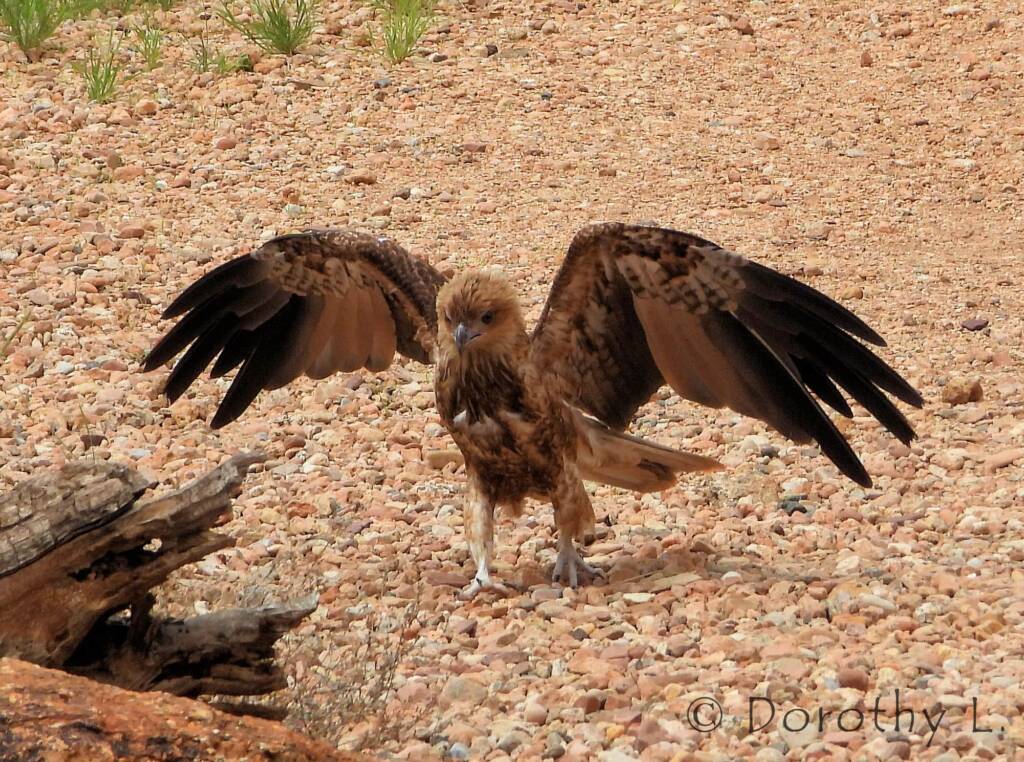
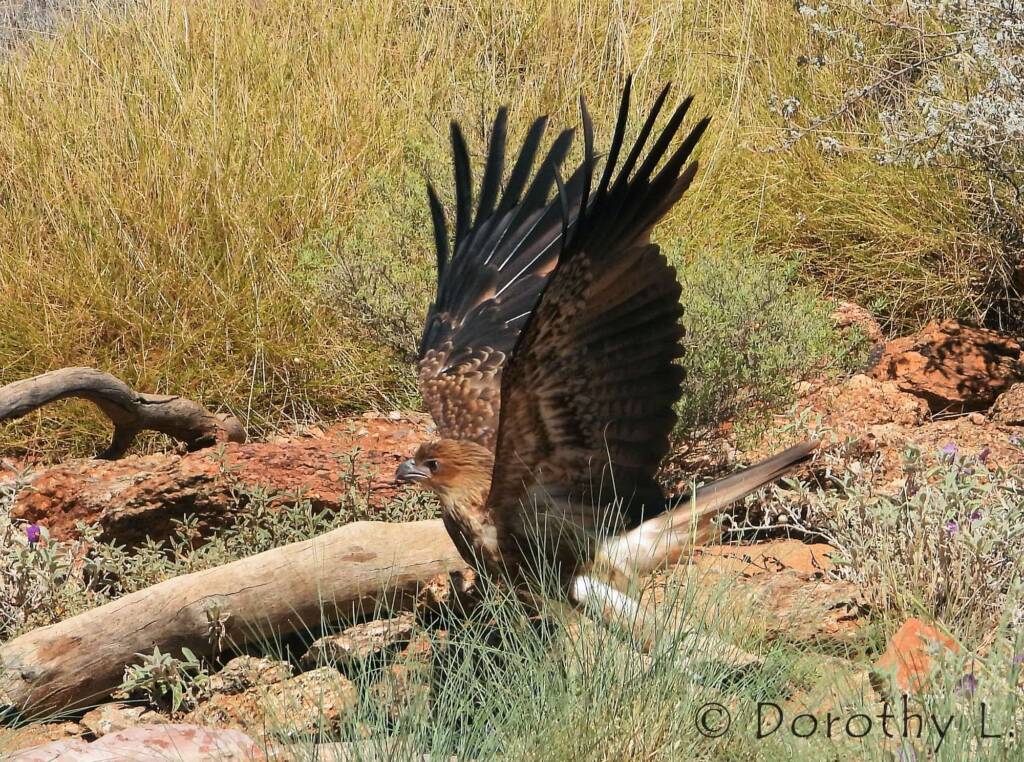
Alice Springs Desert Park – Kangaroo Enclosure
Popular with interstate and overseas visitors is the kangaroo enclosure. Please do not touch the animals and stay to the path.
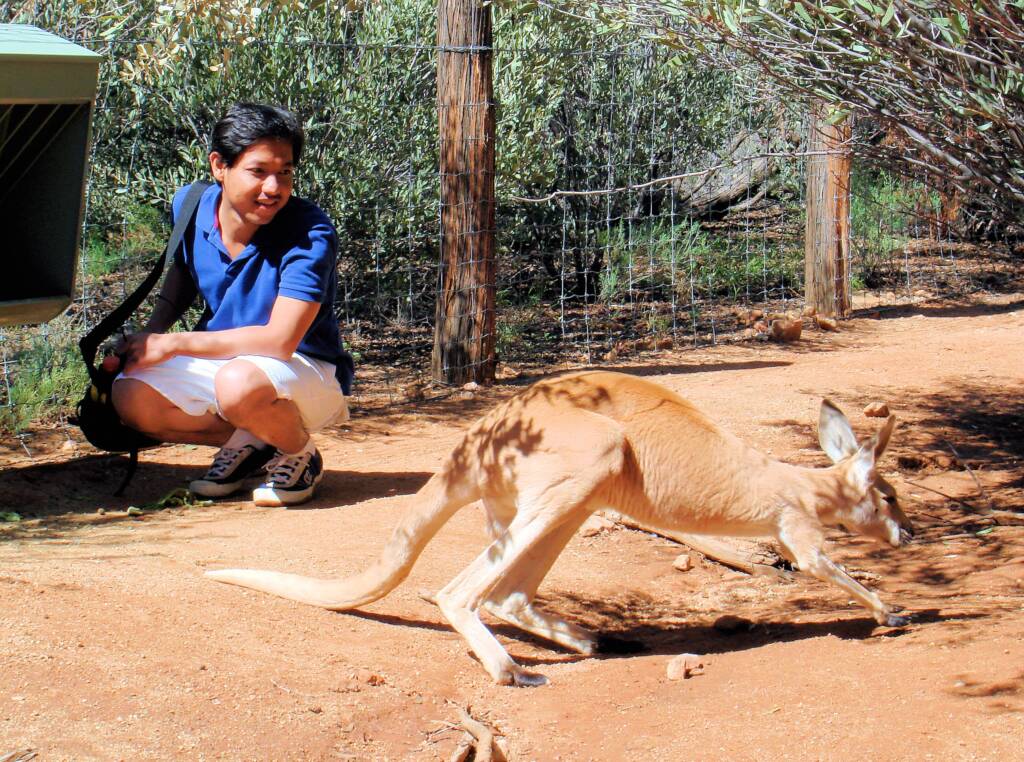
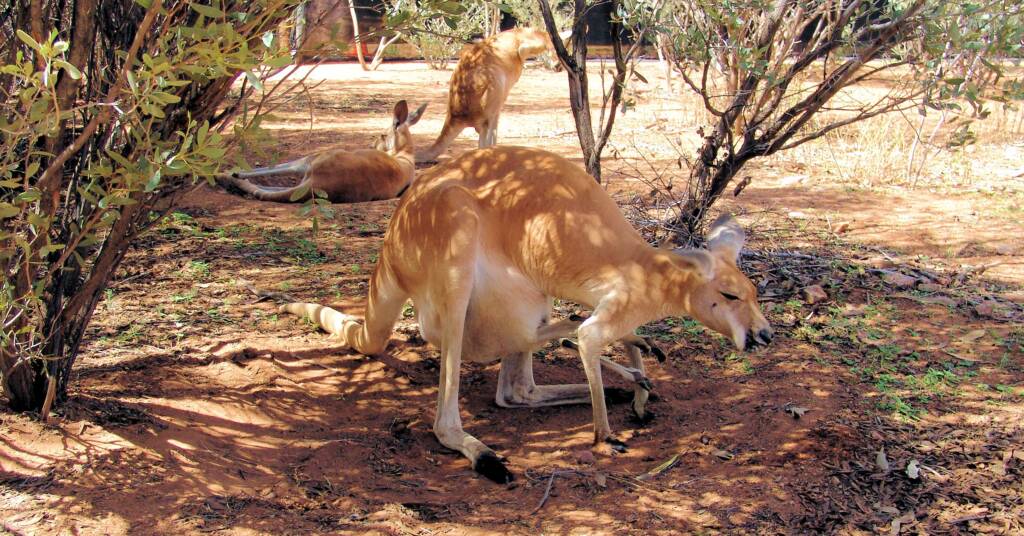
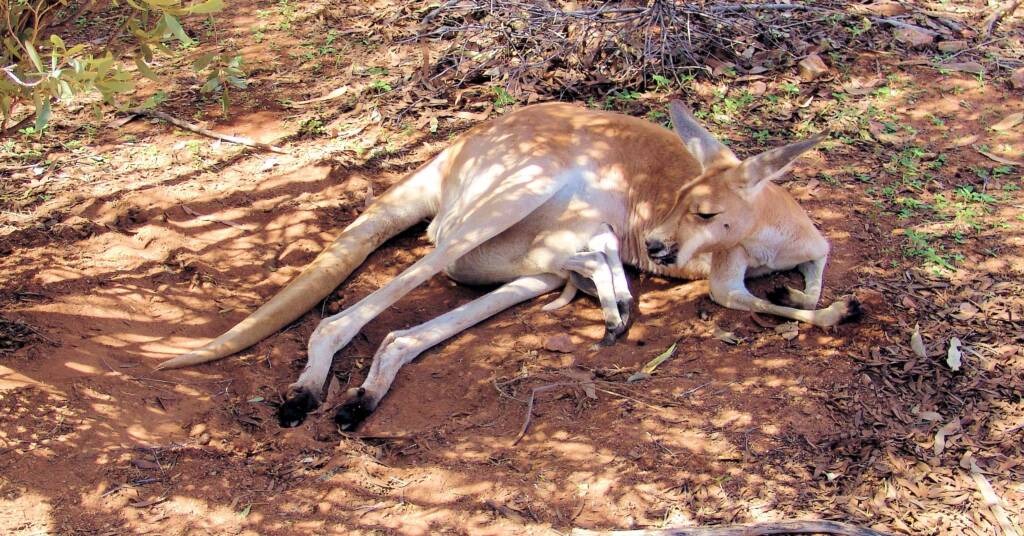
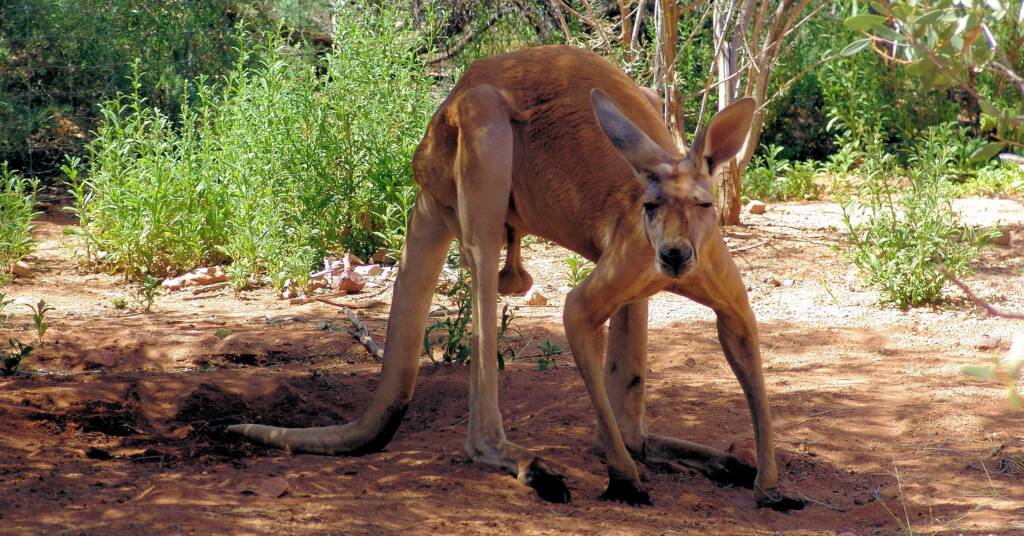
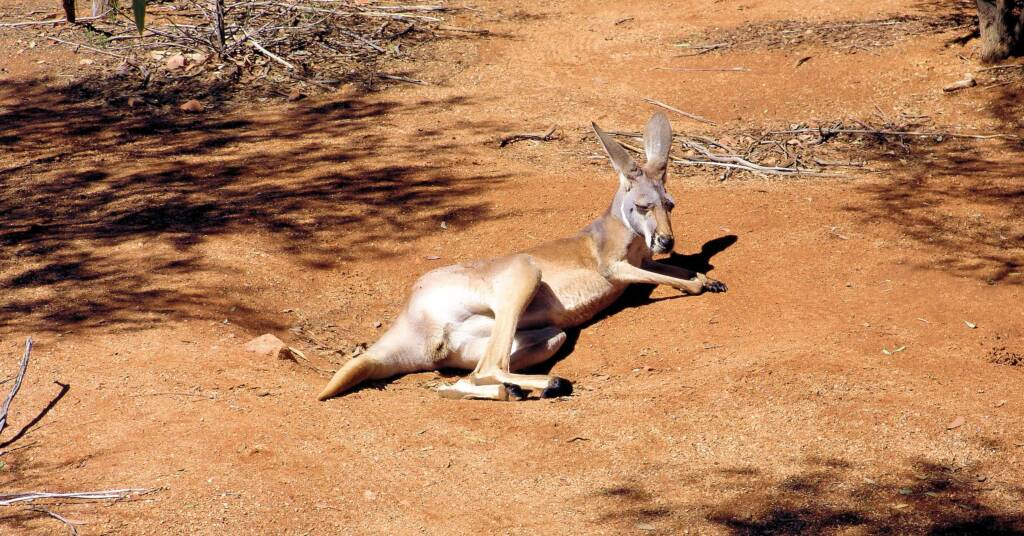
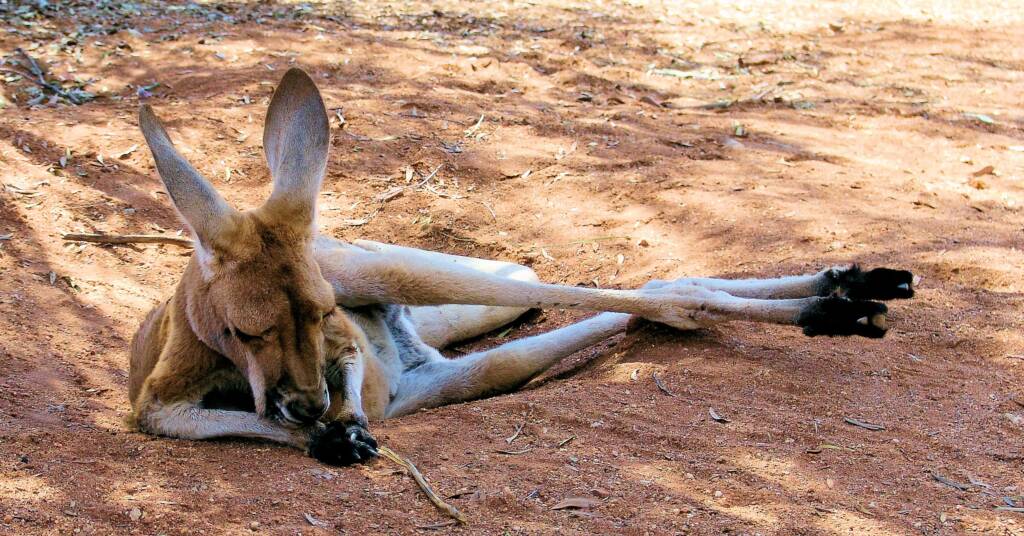
Check out our desert park images of the Red Kangaroo.
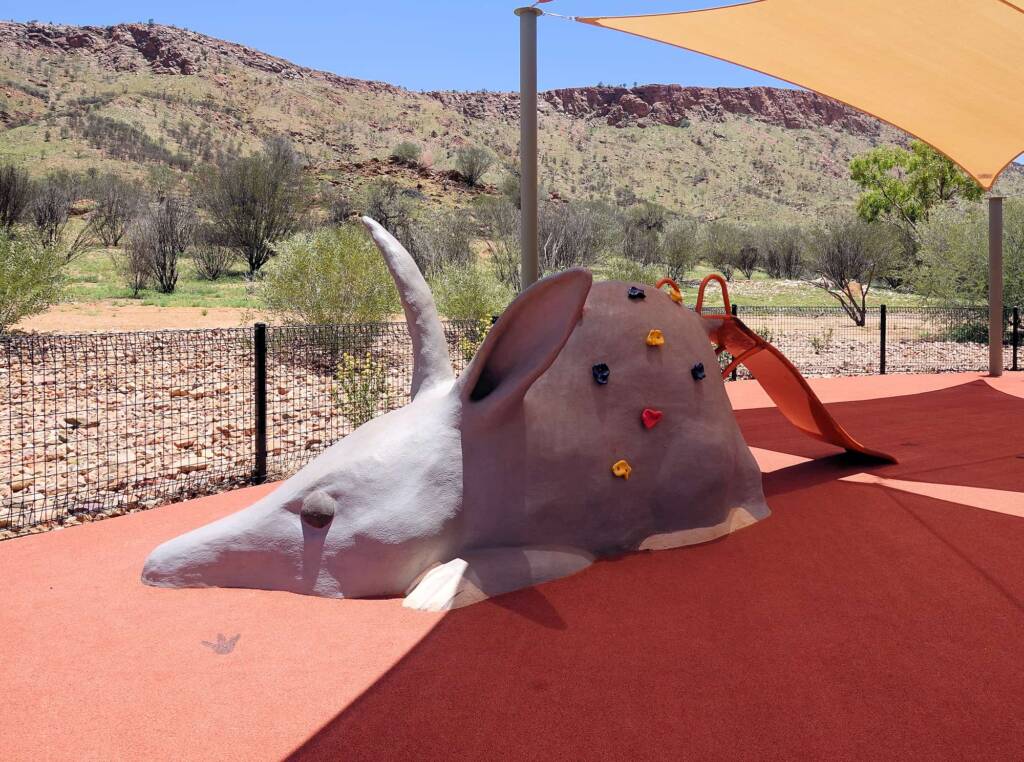
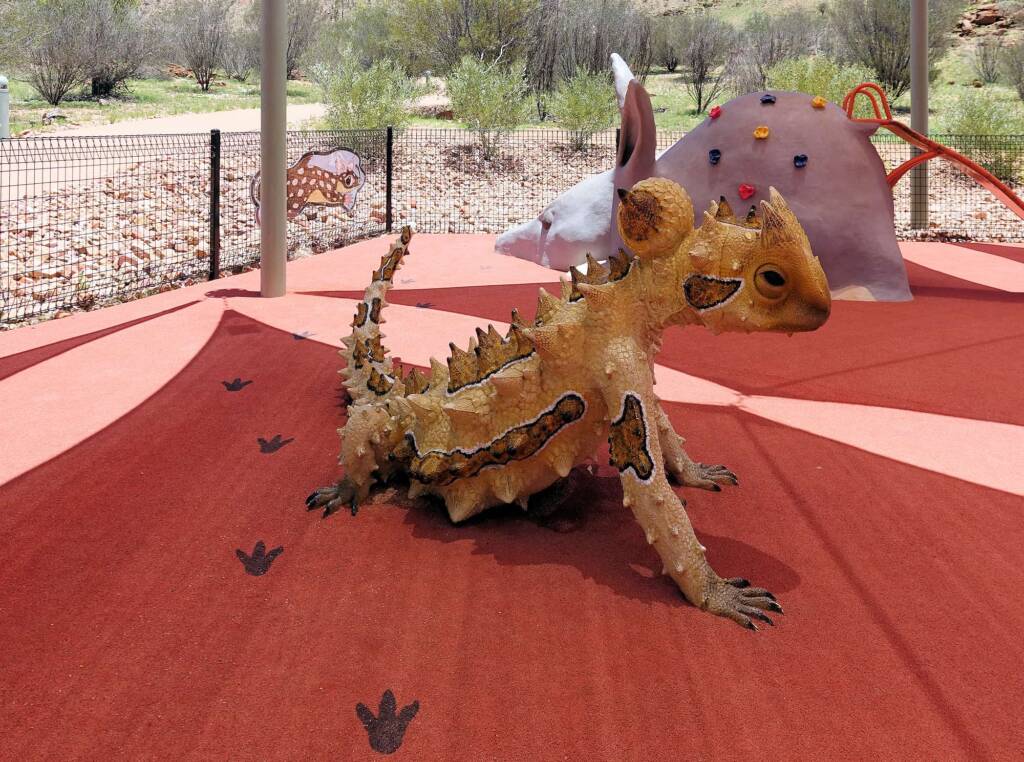
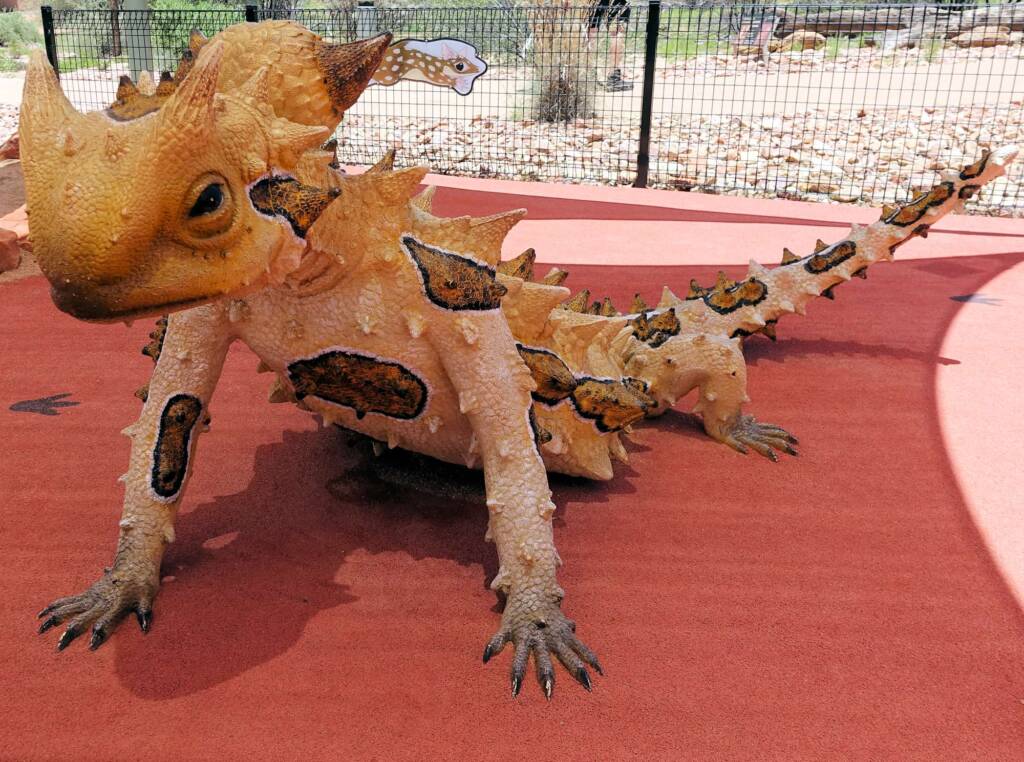
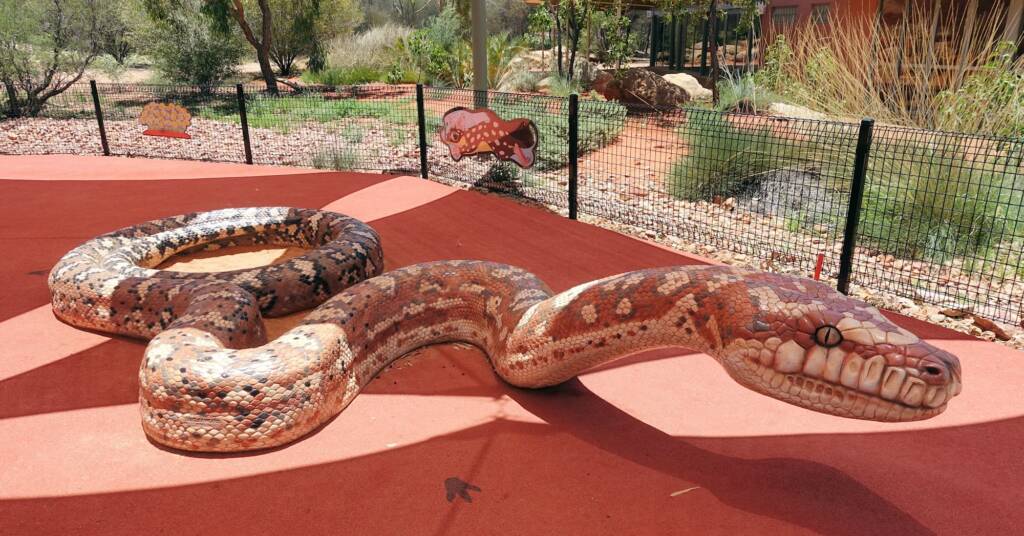
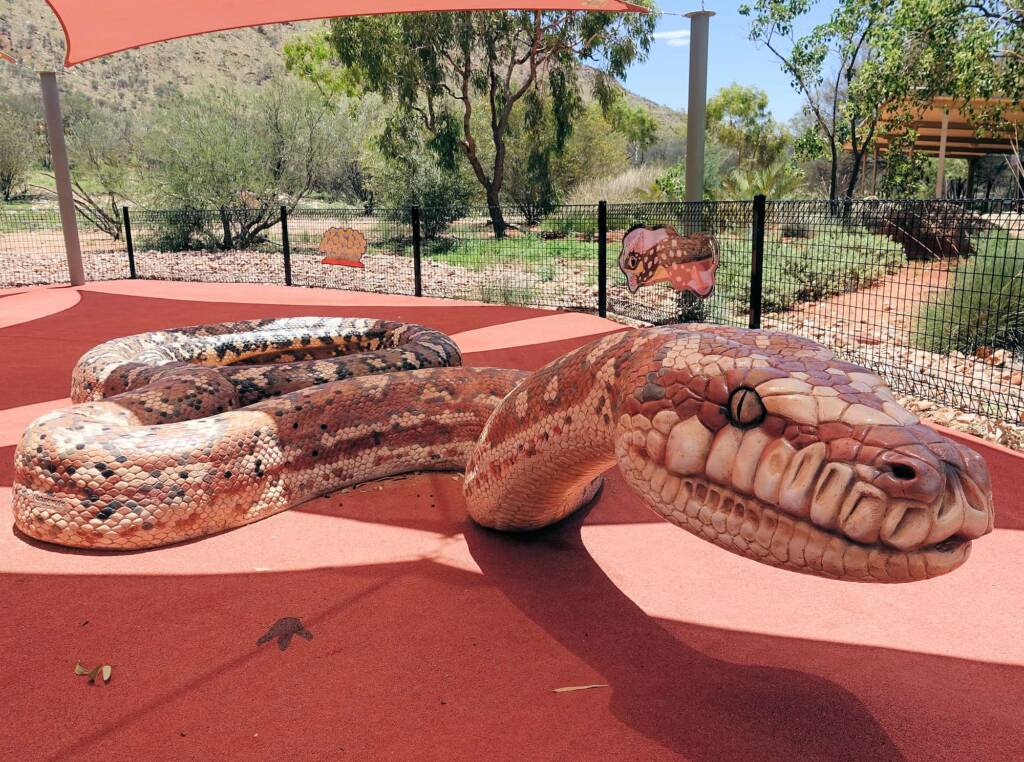
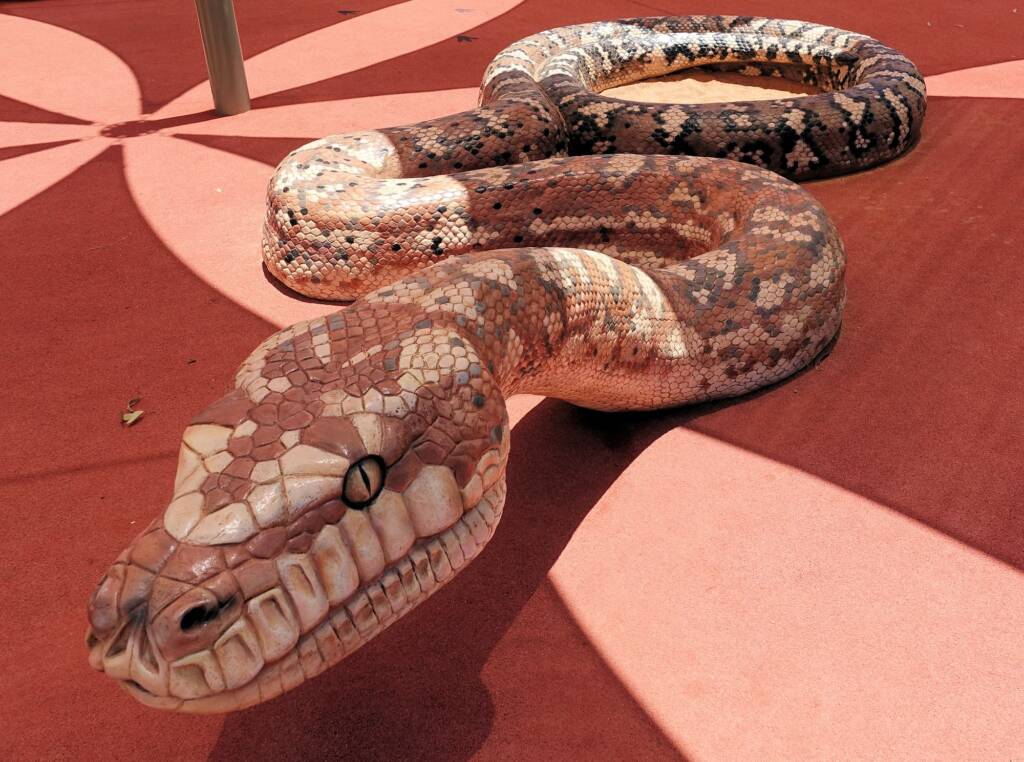
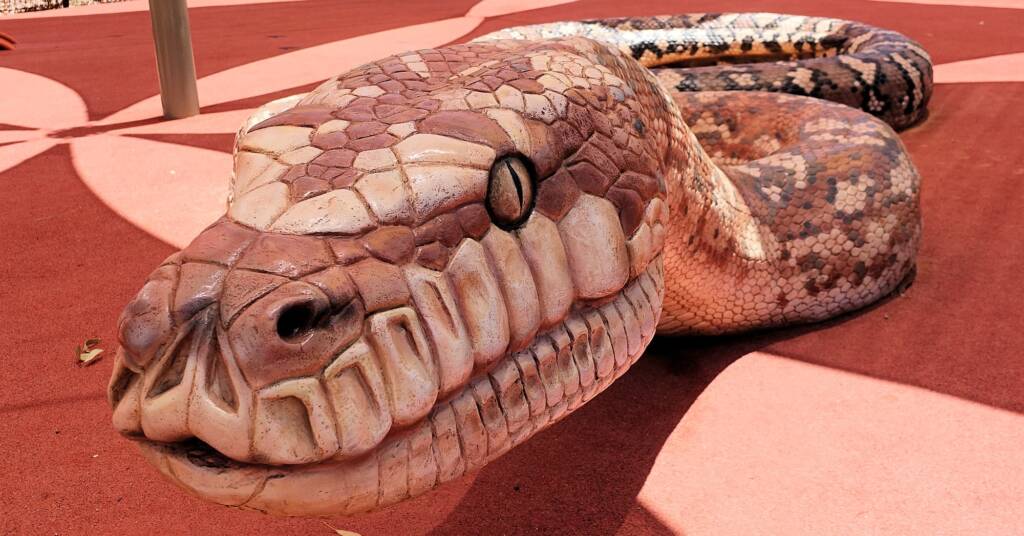
Alice Springs Desert Park – Children Playground
Images © CK Leel / Images © Ausemade PL
Footnote & References
- Indigenous Australian seasons, https://en.wikipedia.org/wiki/Indigenous_Australian_seasons (last visited Mar. 27, 2021).
Alice Springs Desert ParkFauna Flora Nature Theatre Nocturnal House