ANGKERLE ATWATYE
We respectfully acknowledge the ancestors past and present that live here. We let them know who we are, where we are from, that we are here to visit and appreciate this special place, and pass safely on our way.
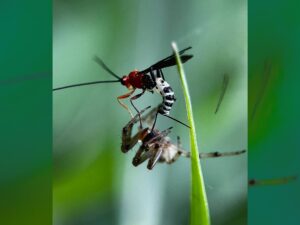
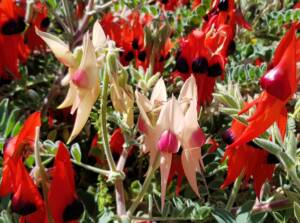
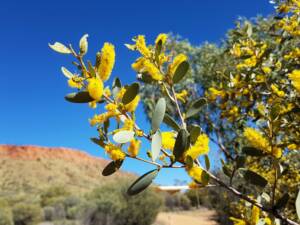
Standley ChasmFauna of Standley Chasm Flora of Standley Chasm
Known traditionally as Angkerle Atwatye (“the Gap of Water”), Standley Chasm is an important cultural place of indigenous Australia that is sacred to the women’s dreaming of the Arrernte people.
Angkerle Atwatye is 100% owned and operated by the local Arrernte community and is located in a private flora and fauna reserve surrounded by West MacDonnell National Park (Tjoritja).

Welcome to Standley Chasm!
Why the entrance fee?
You may be wondering why we have a small entry fee in place. It is because Standley Chasm is a 100% privaely owned Aboriginal Enterprise. We receive no operational funding from the NT Government; therefore, the entry fees you pay go directly towards:
• maintaining the facilities and services we provide here
• employing and training staff
• covering ‘off the grid’ power costs
• upgrading old infrastructure
We welcome and appreciate your patrongage and hope you enjoy your stay here at Angkerle Atwatye.
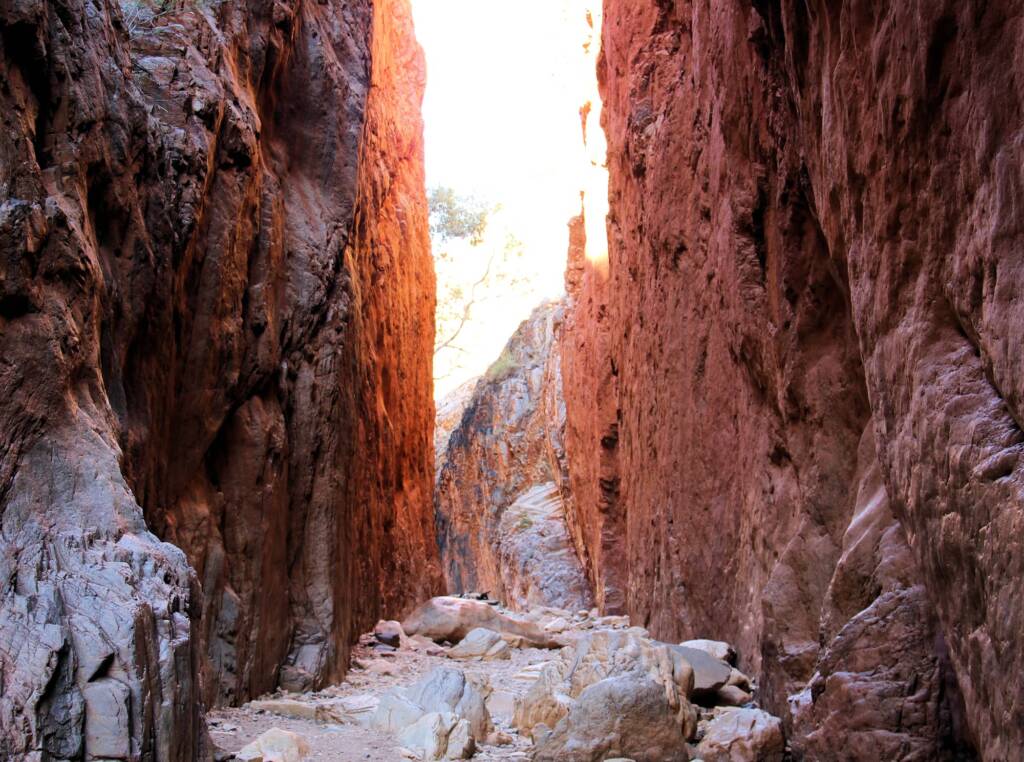
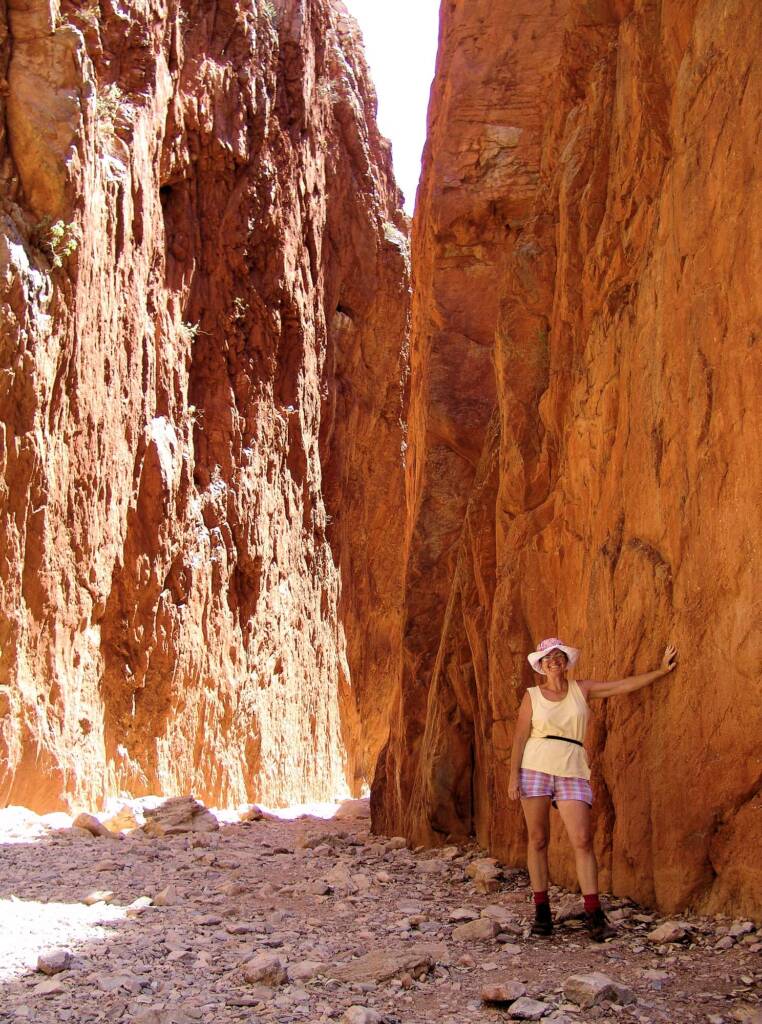
There is a well maintained trail with walking access to the dramatic 80 metre sheer rock-face of the chasm. The trail follows the natural creek bed with seating and interpretative signage along the walk.

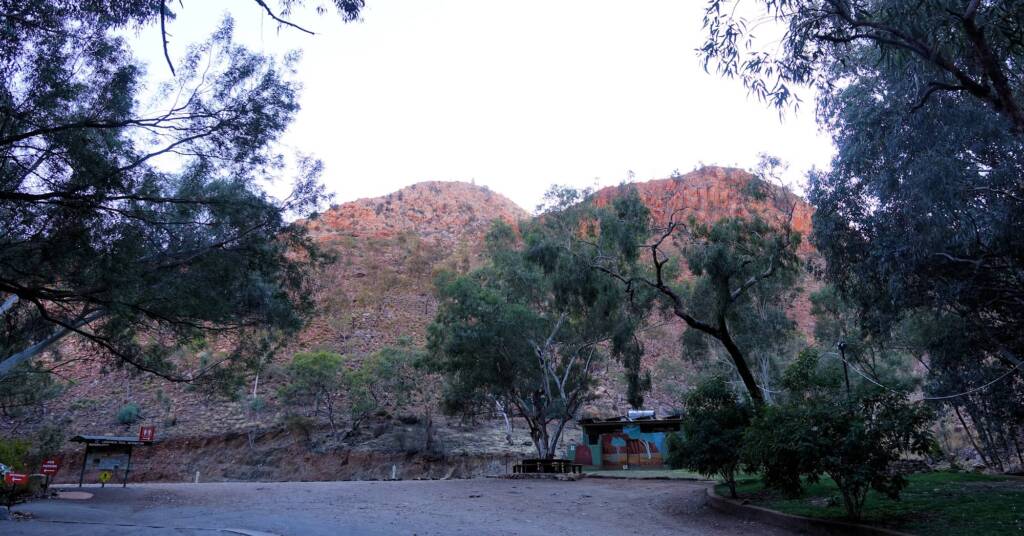
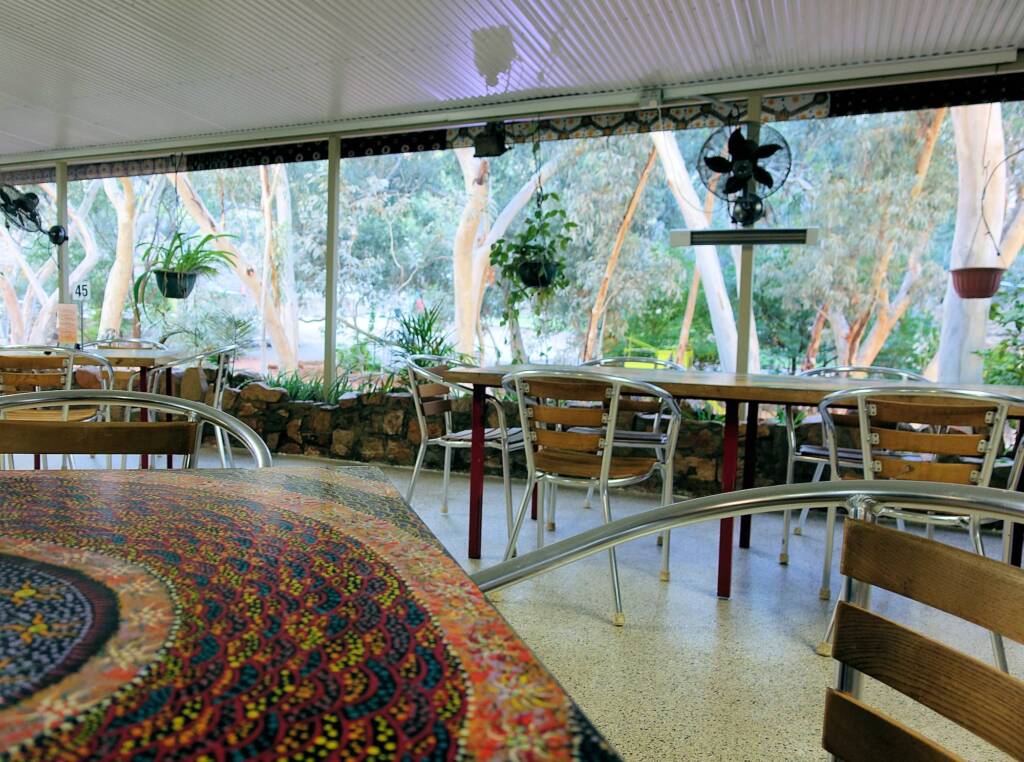
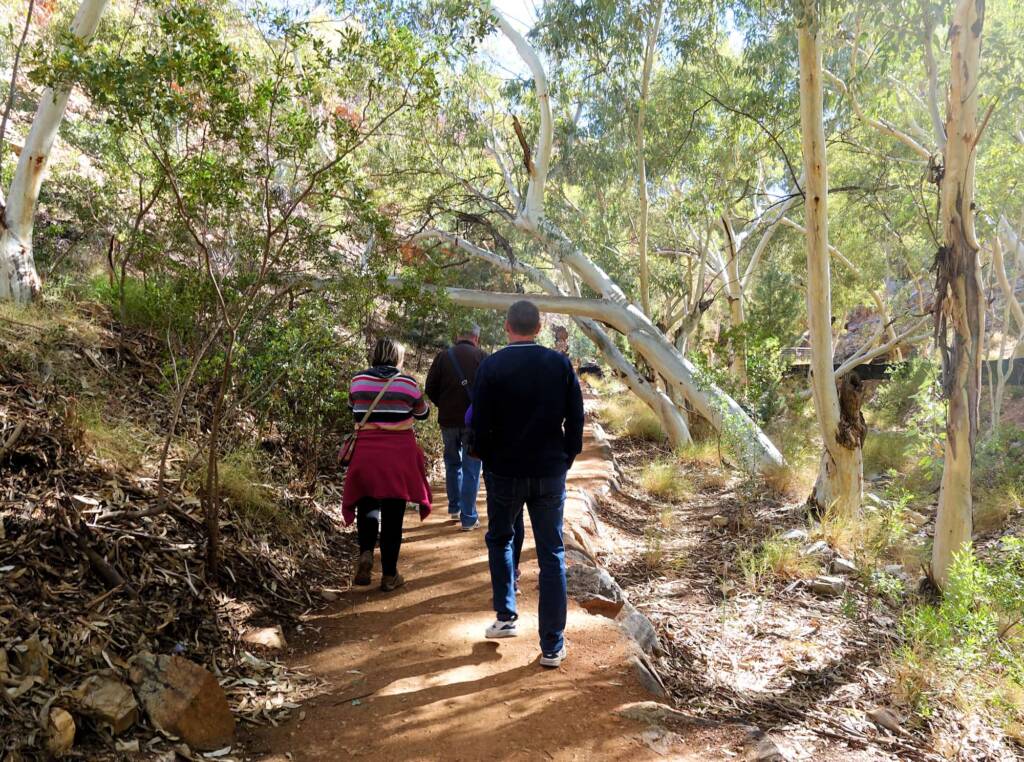

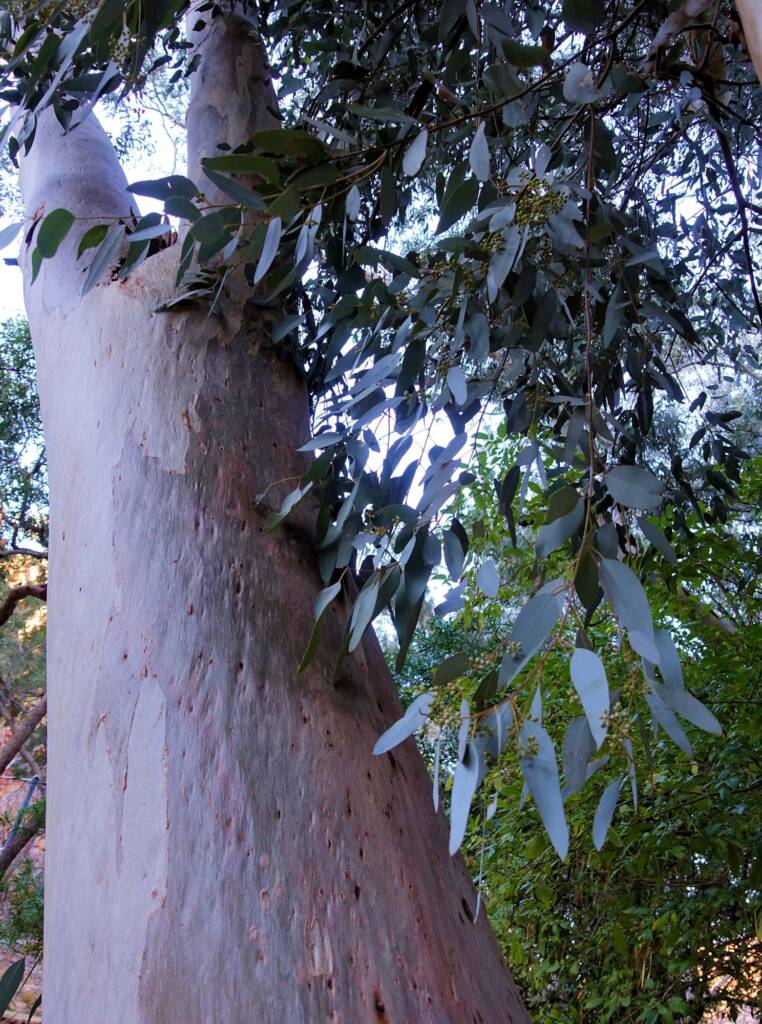
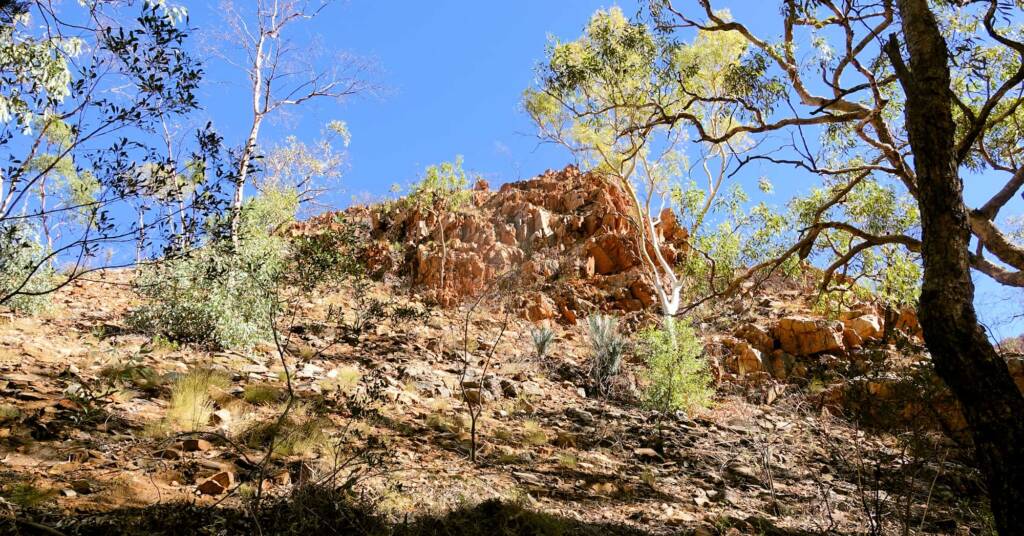
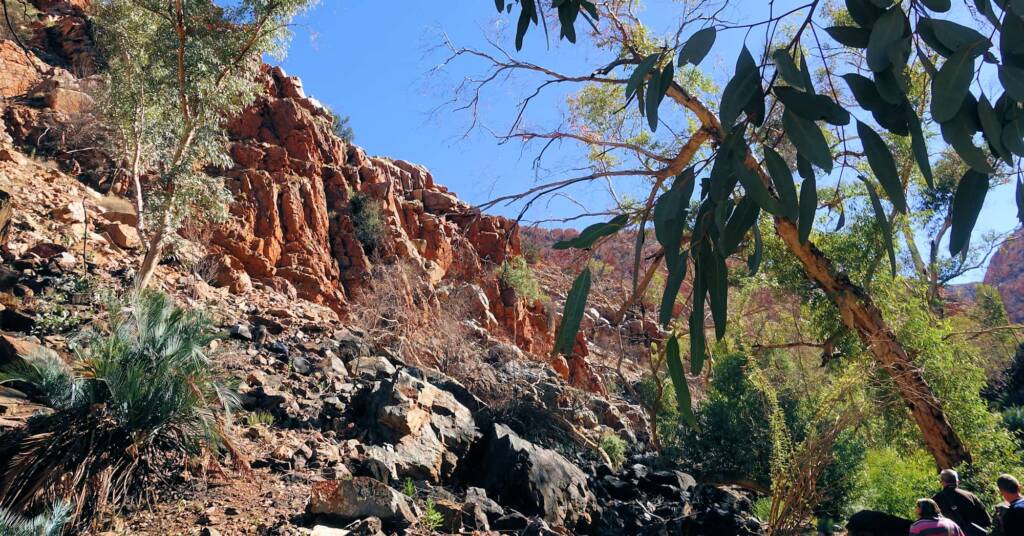
Standley Chasm was once a narrow tributary of the Finke River system, when rainfall and flooding over time intricately carved the sandstone slopes. The result over the millions’ of years, is this dramatic and picturesque region that we enjoy today.
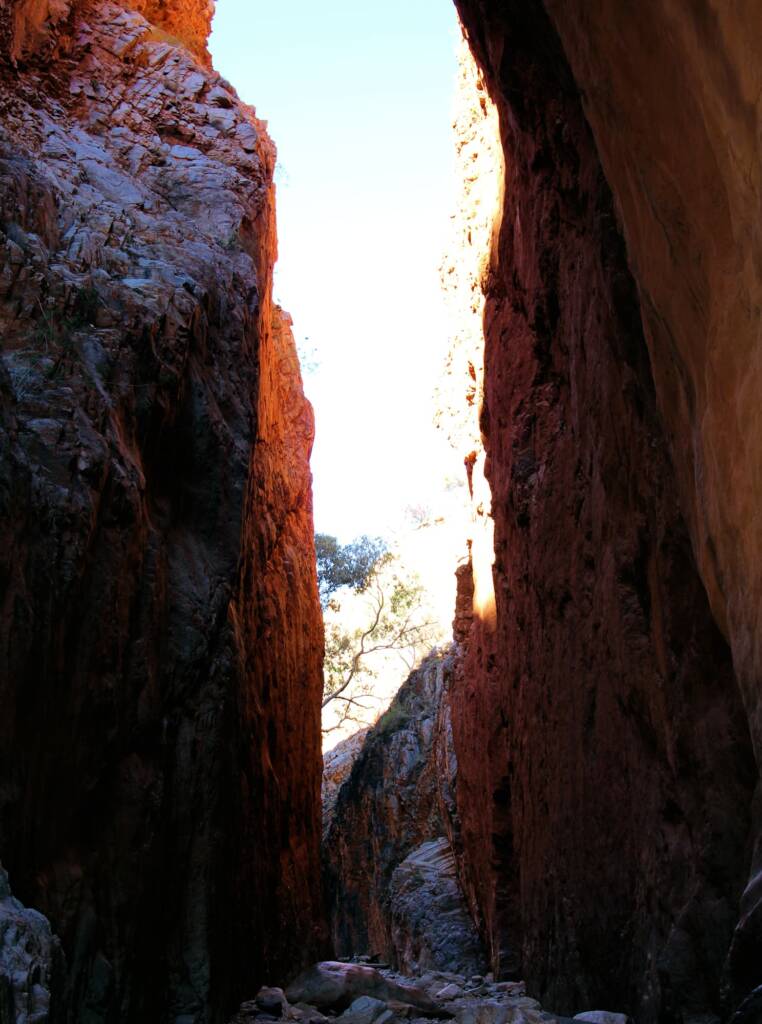
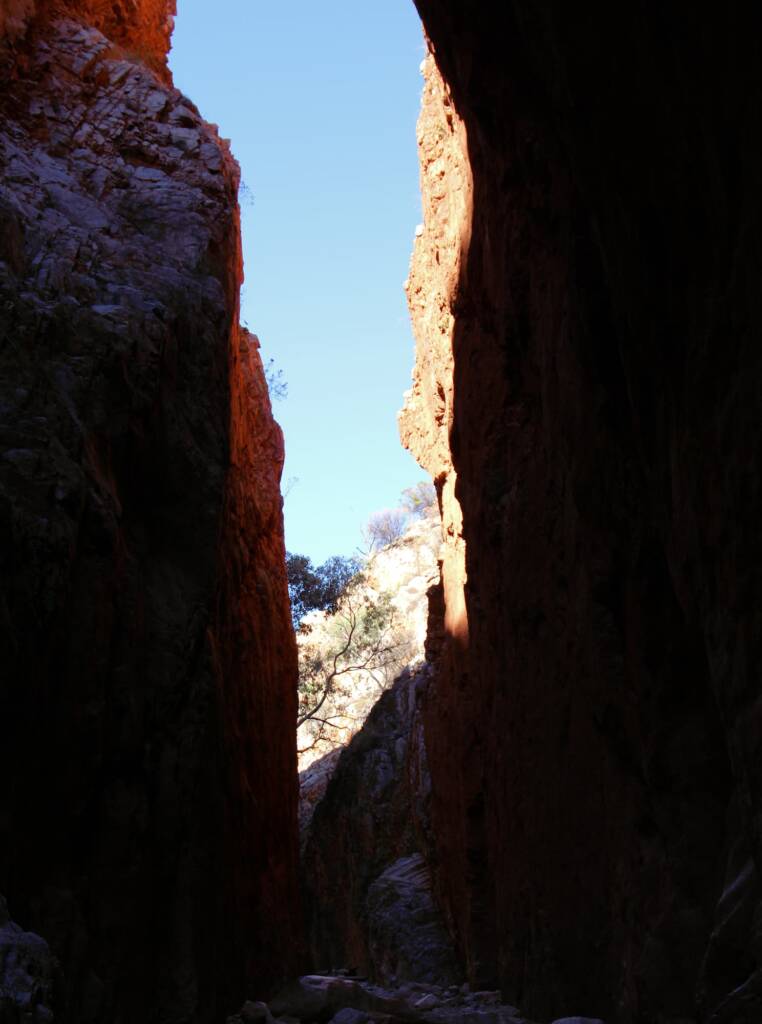
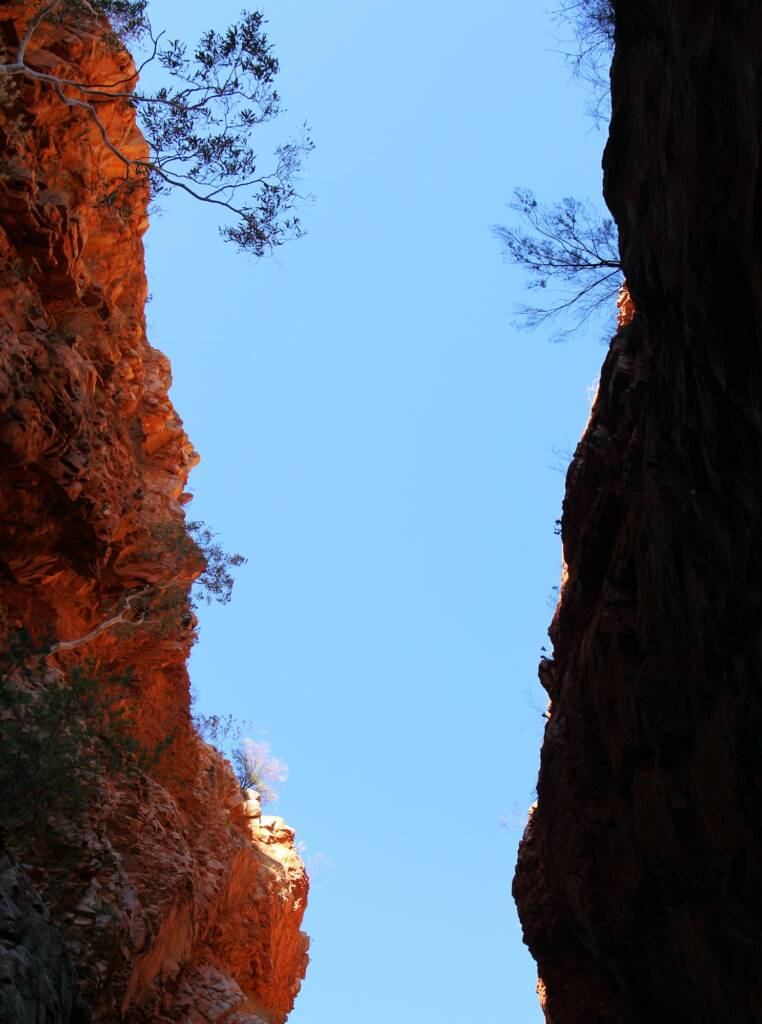
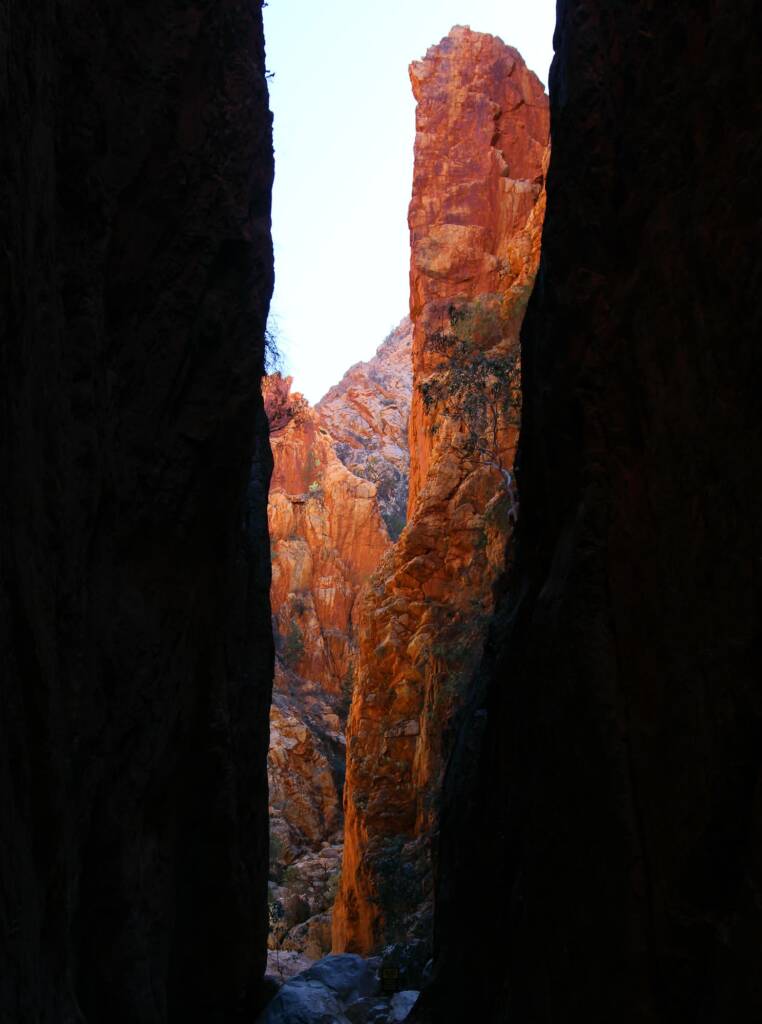
The deep red cleft, with slopes on either side rising 80 metres above the floor is an amazing sight to behold. Regardless of the weather or time of day, the Chasm is at its most dramatic an hour either side of noon on a sunny day. It is at noon that the desert sun is perfectly aligned, drenching Standley Chasm in a shower of brilliant red light, the sheer walls glowing from the reflected sunlight to create a breath-taking display.
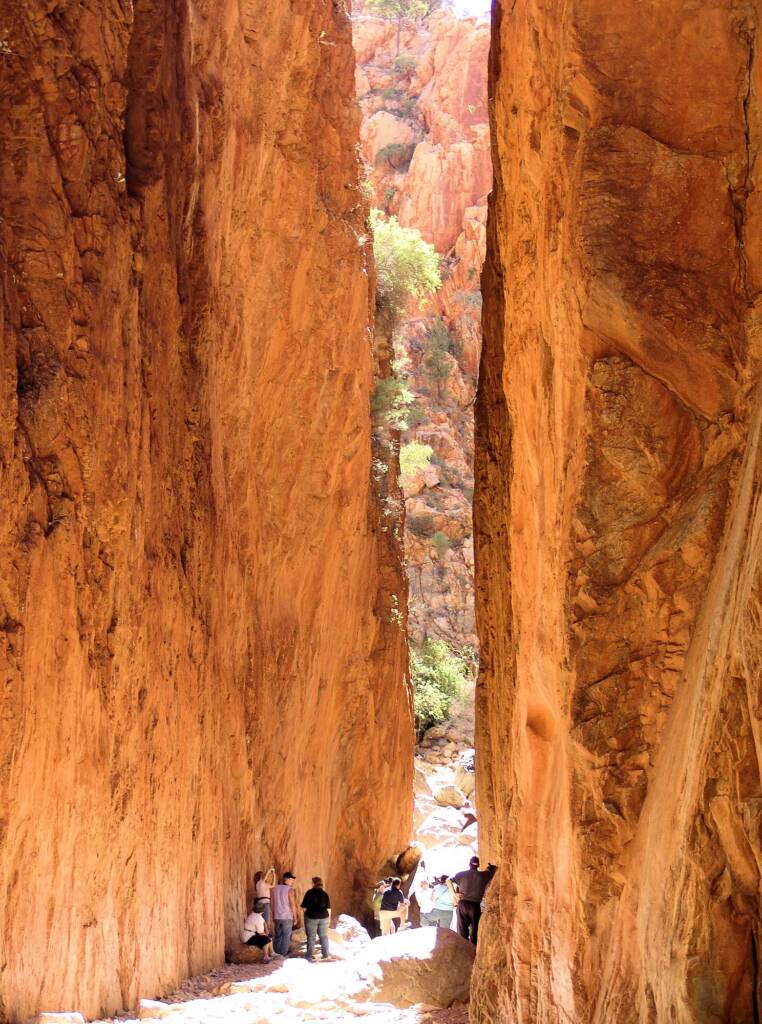
For those walking the track in Standley Chasm, that links the carpark to the chasm, you will be following a creek where spring-fed pools attract a great variety of wildlife, especially birds. It is thanks to the water that the gully floor is lush with plants that range from delicate ferns to tall gums; including many other species such as the cycad palm that have survived here from a long-gone era that was much wetter. An easy 20 minute walk (one-way), along a well maintained track, although there are rocky sections, so it is recommended that you wear sensible shoes and take care where you place your feet.
Called Angkerle Atwatye by the local Arrernte community, the chasm’s European name honours Mrs Ida Standley who in 1914, became the first school teacher in Alice Springs. In 1925, the school for children of Aboriginal descent was moved from Alice Springs to Jay Creek (Iwupataka) with Mrs Standley as matron. It was during her time at Jay Ceeek that she became the first non-Aboriginal women to visit the feature that now bears her name.
This striking geological formation has significant botanical, bird-watching and wildlife, providing a great place for photography.

An important cultural site for Western Arrernte women, Angkerle Atwatye offers authentic cross-cultural presentations, bush tucker tours, art workshops and language classes.
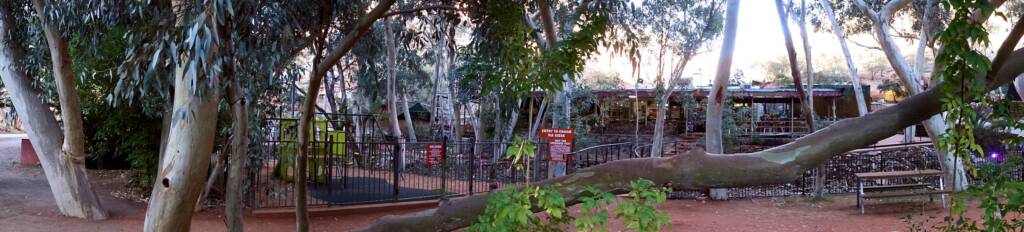
There is a Kiosk Café, offering barista coffees, breakfast, lunches, cold drinks and ice creams. There are picnic tables and BBQ facilities. Groups are catered for by arrangement, with coach parking facilities. There are various campsites. The souvenir shop offers some great hand-painted Aboriginal crafts that are made on site.
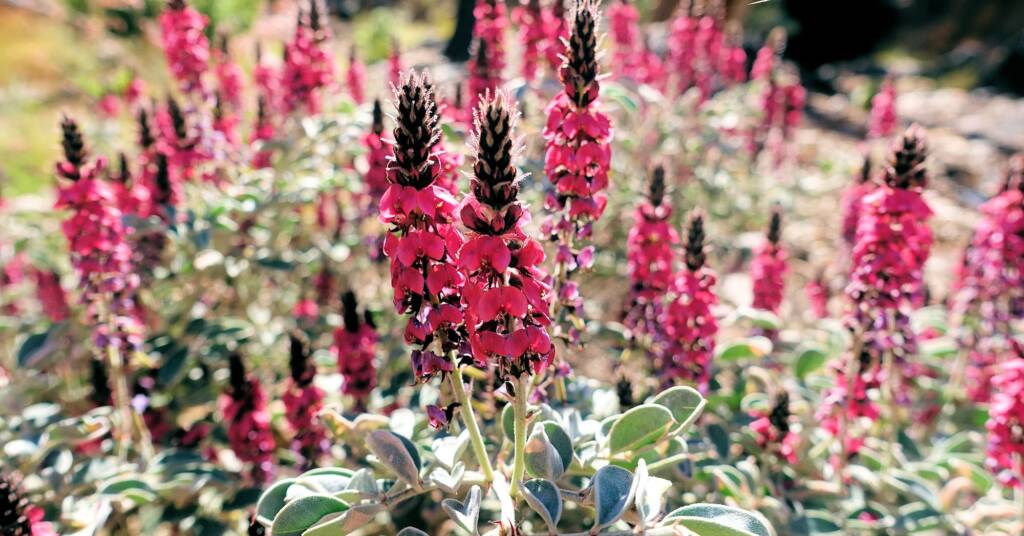
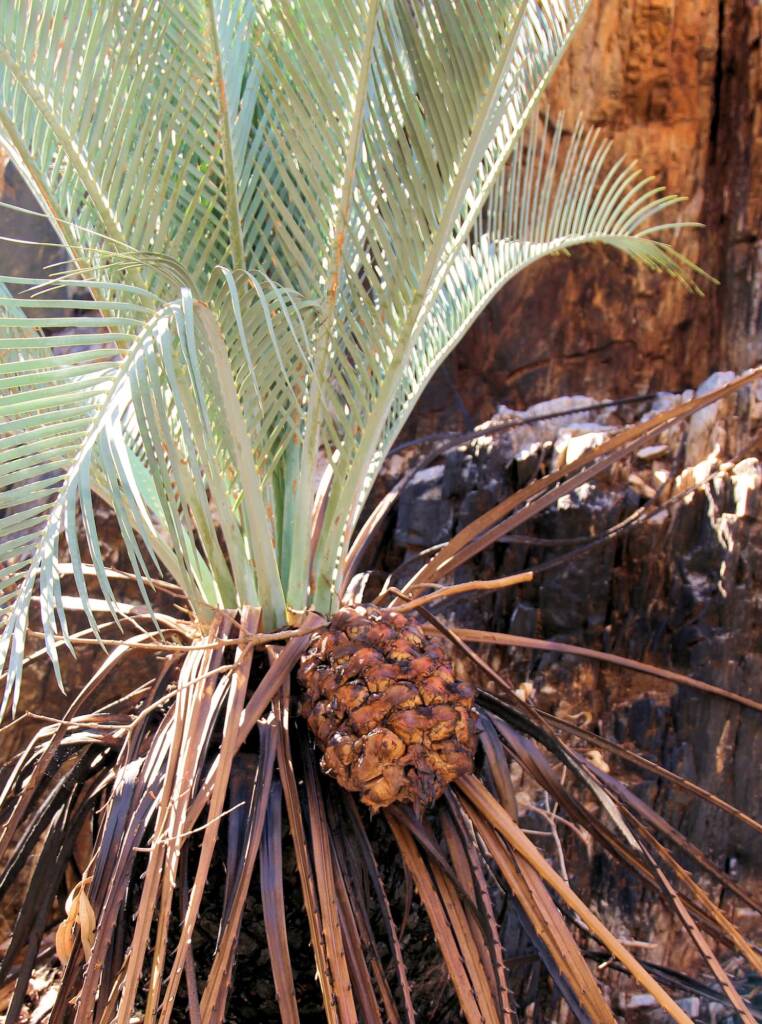
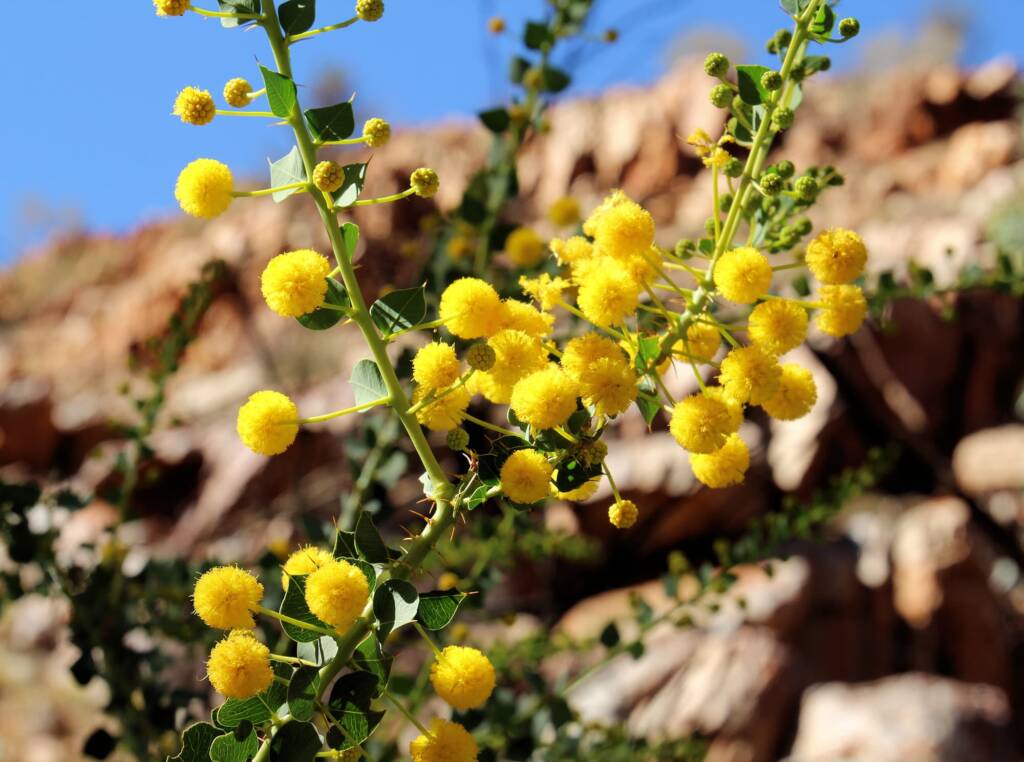
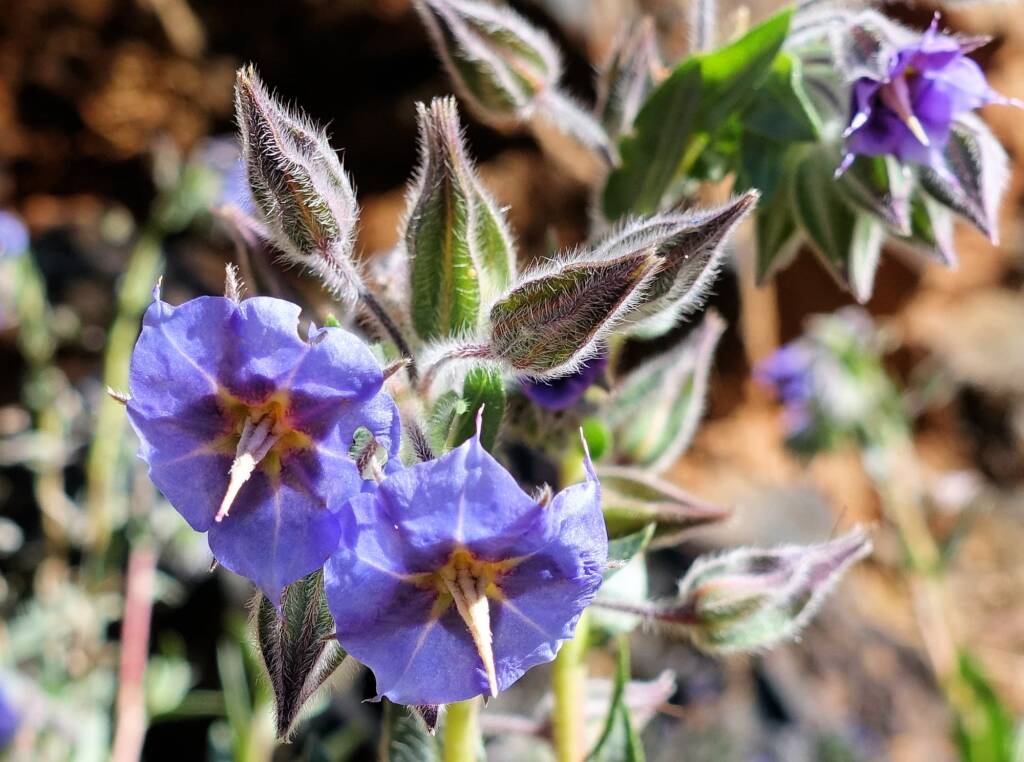
Check out their website at standleychasm.com.au
Standley ChasmFauna of Standley Chasm Flora of Standley Chasm
Northern TerritoryCentral Australia Northern Territory Fauna Northern Territory Flora Aileron Alice Springs Binns Track Chambers Pillar Historical Reserve Ernest Giles Road Finke Gorge National Park Henbury Meteorites Conservation Reserve Hermannsburg Historic Precinct Ilparpa Claypans Karlu Karlu / Devils Marbles Conservation Reserve MacDonnell Ranges Mount Connor Newhaven Wildlife Sanctuary Owen Springs Reserve Red Centre Way Drive Standley Chasm Tnorala (Gosse Bluff) Conservation Reserve Uluru-Kata Tjuta National Park Watarrka National Park & Kings Canyon Wurre / Rainbow Valley