
Uluru-Kata Tjuta National ParkFauna of Uluru-Kata Tjuta Flora of Uluru-Kata Tjuta
The traditional land of the Anangu Aboriginal people encompasses two of Australia’s culturally significant landmarks, Uluru and Kata Tjuta. A site of deep cultural significance to the local Anangu Aboriginals, Uluru is one of Australia’s most famous icons of the Australian outback.
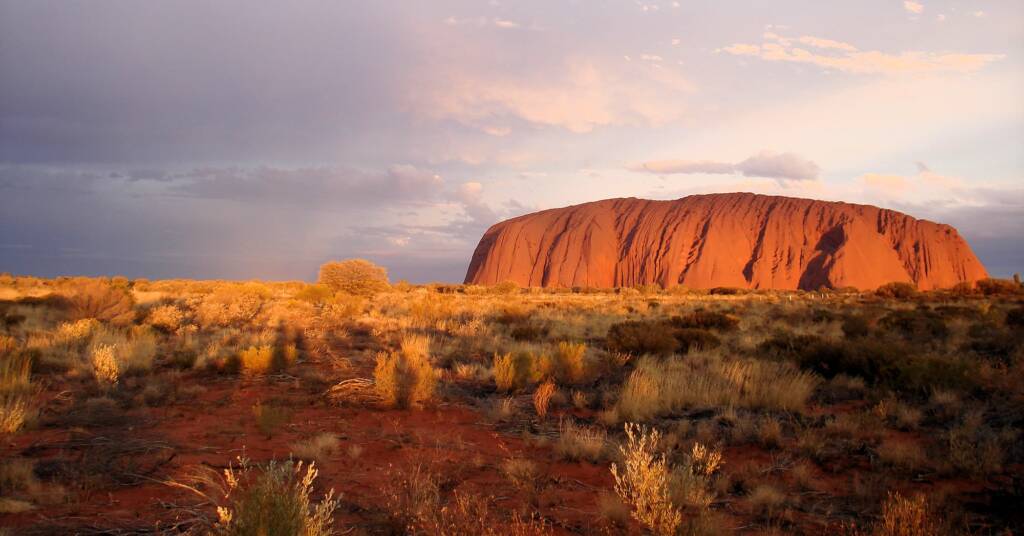
Uluru-Kata Tjuta National Park with its iconic rock is more than a photo opportunity… it is a cultural living landscape, where you are welcomed by the Anangu people to explore and discover an environment imbued with a living history, where Tjukurpa whispers the creation stories…
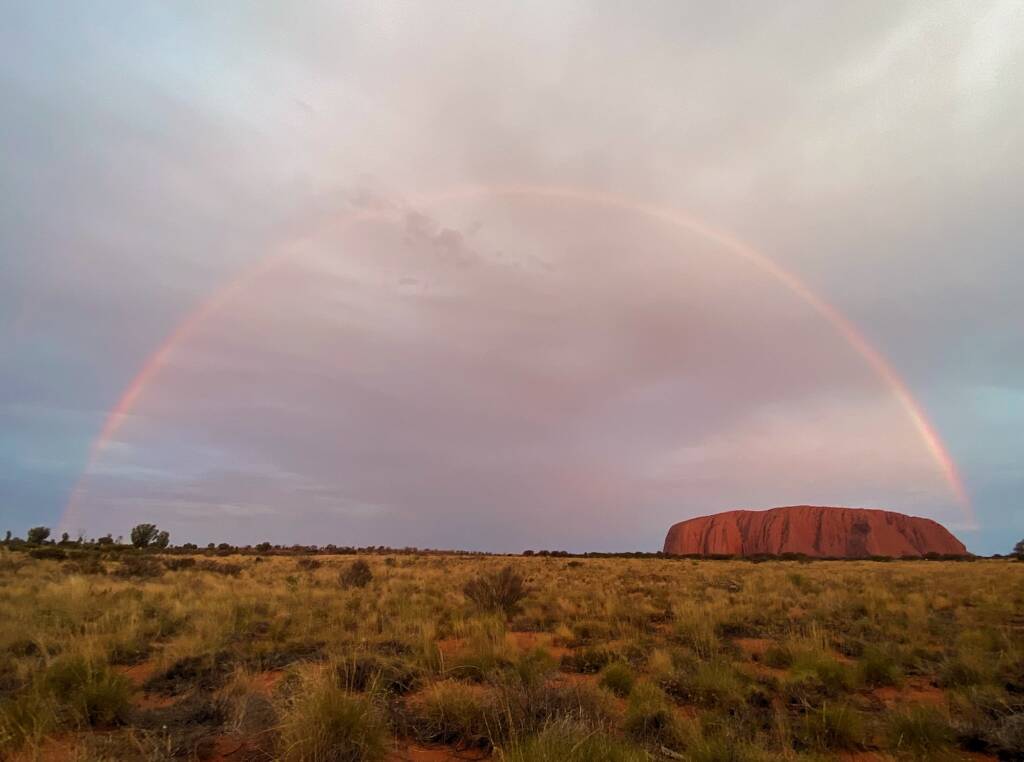
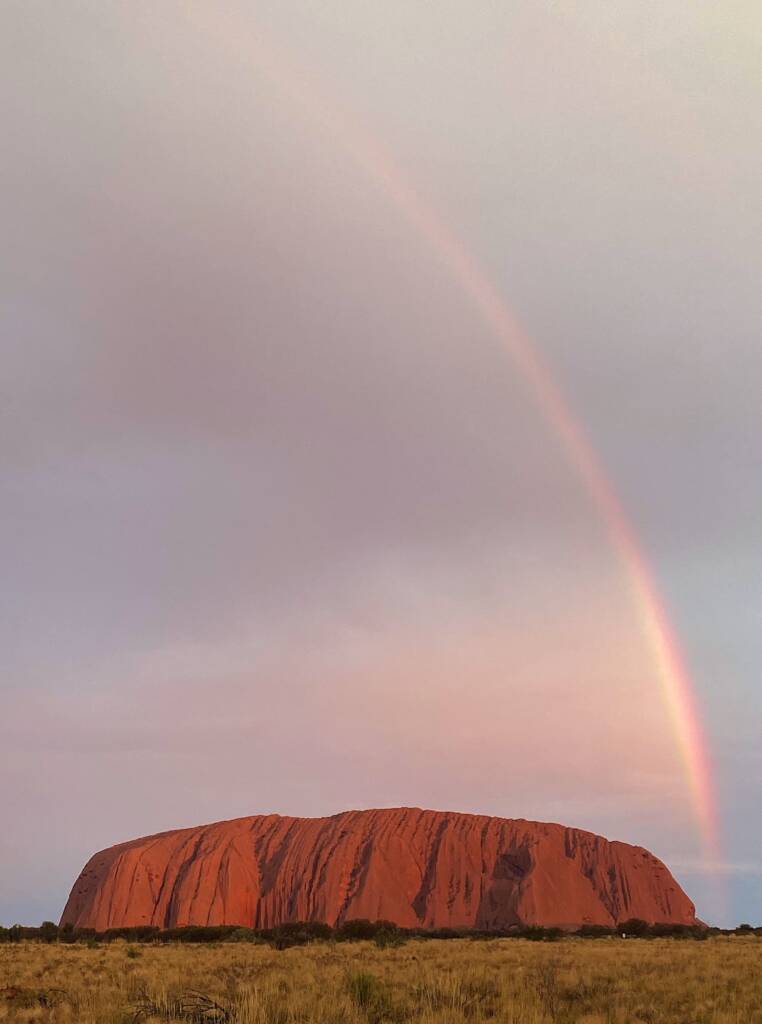
Having visited the national park on numerous occasions, it is a delight to see the changing seasons and light on both Uluru and Kata Tjuta and the surrounding landscape. Witnessing trees and shrubs in flower to the display of wildflowers after rain. Seeing creatures from the smallest insects to the larger animals only adds to the understanding that indeed this is a living breathing landscape.
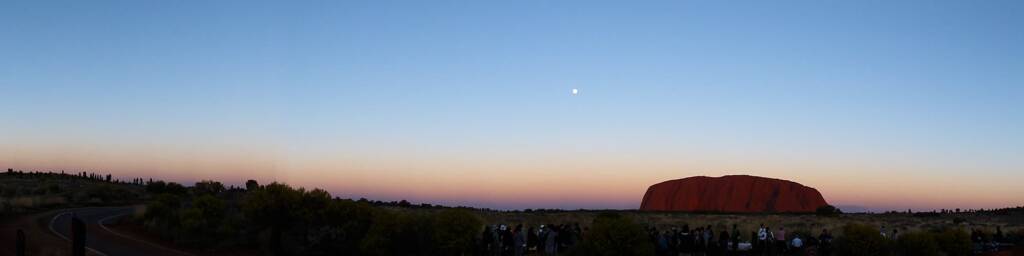
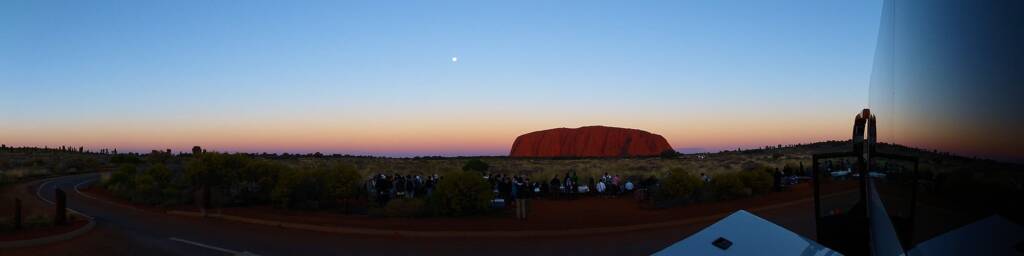
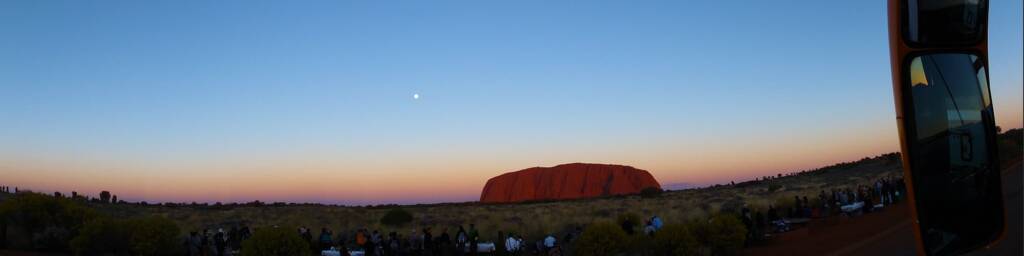
Uluru
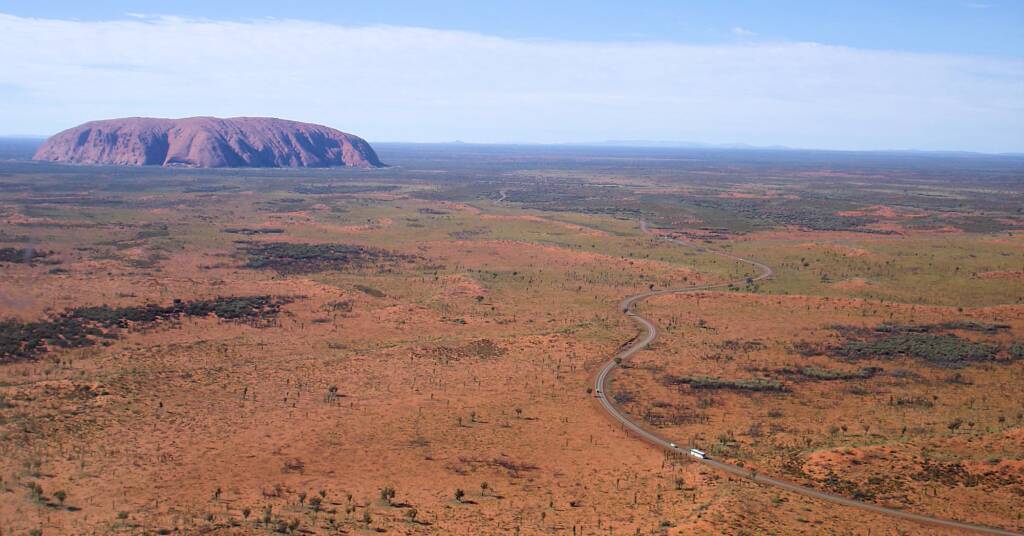
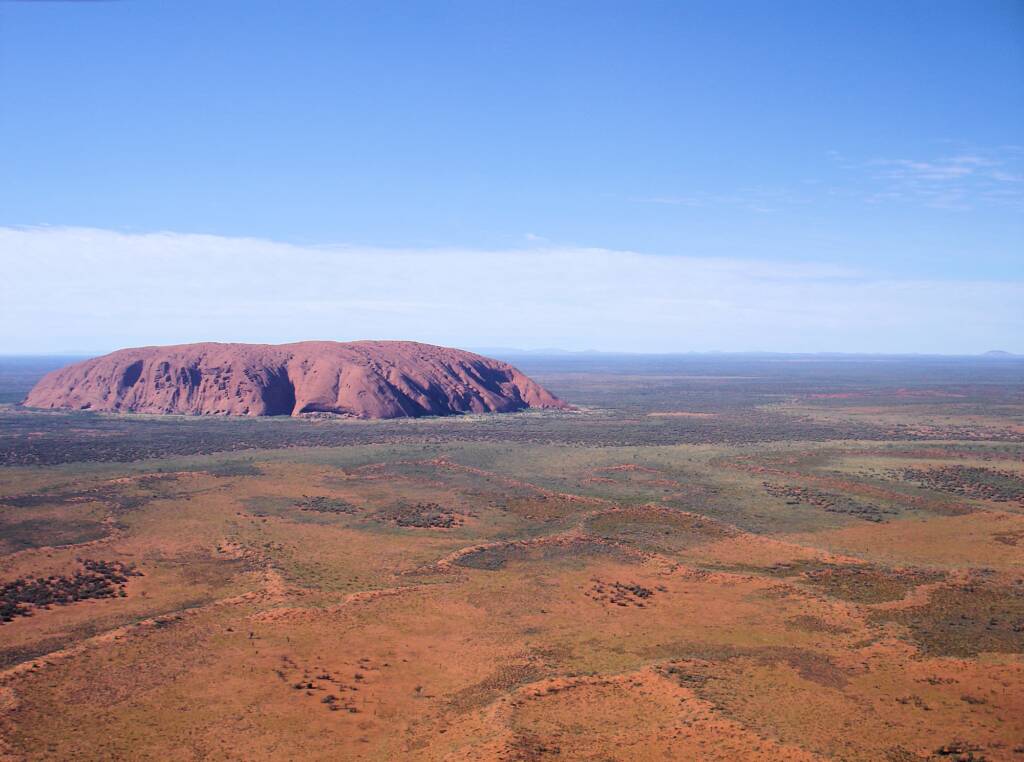
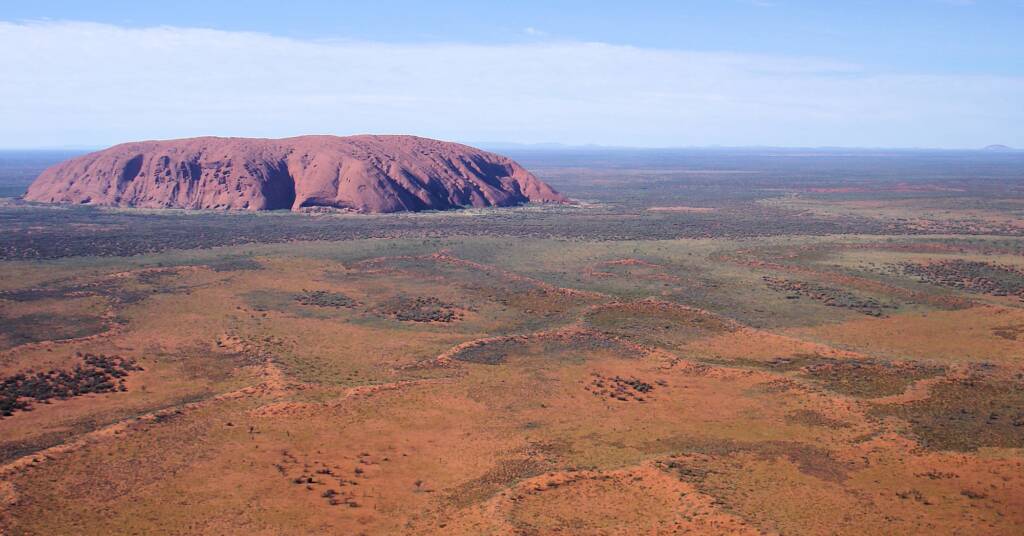
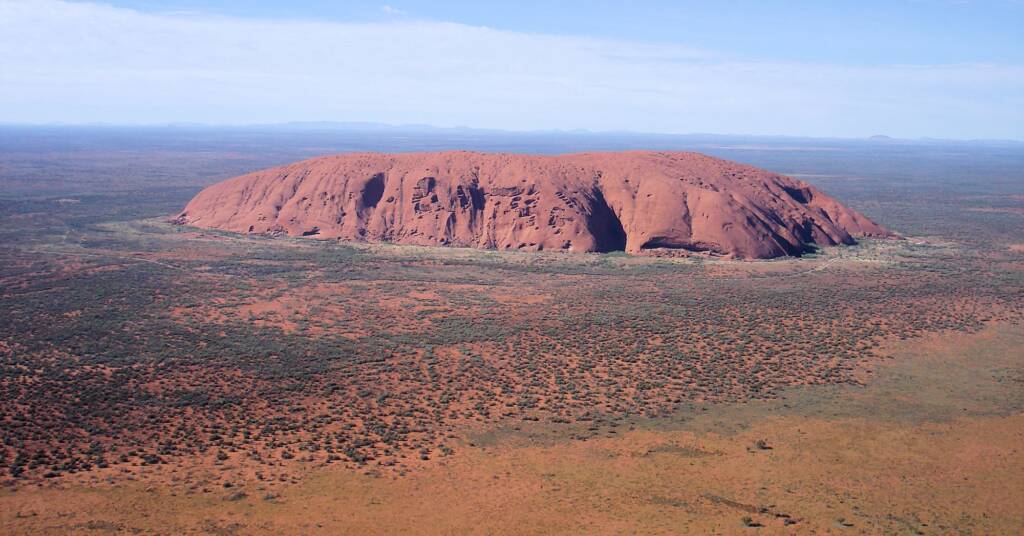
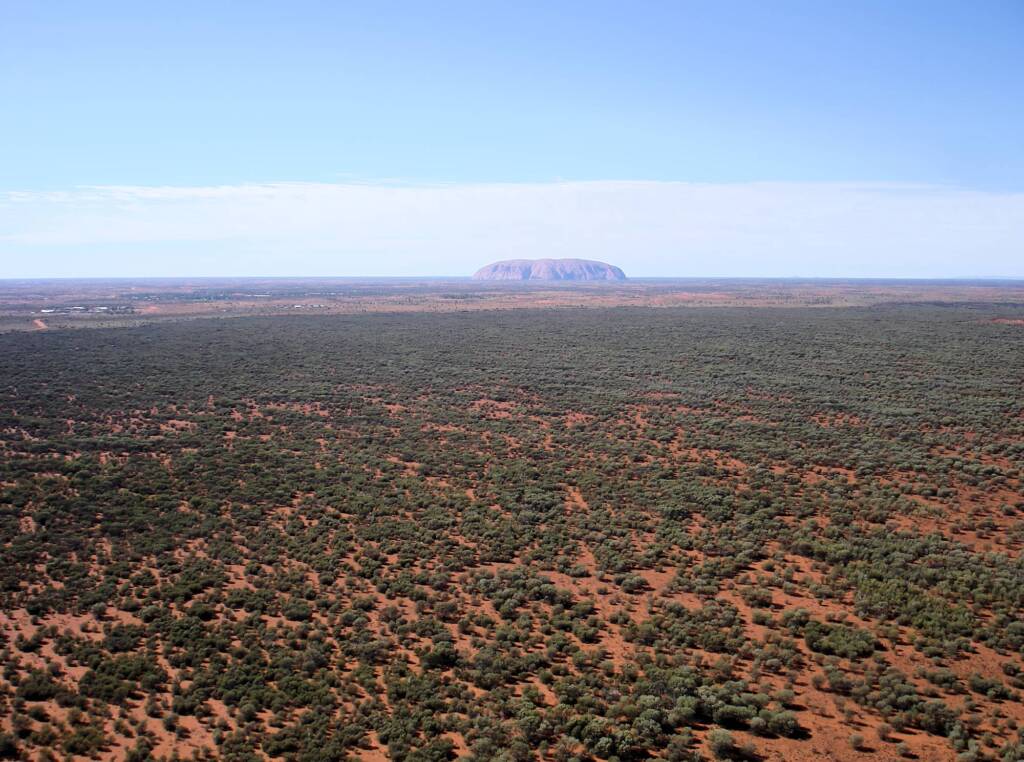
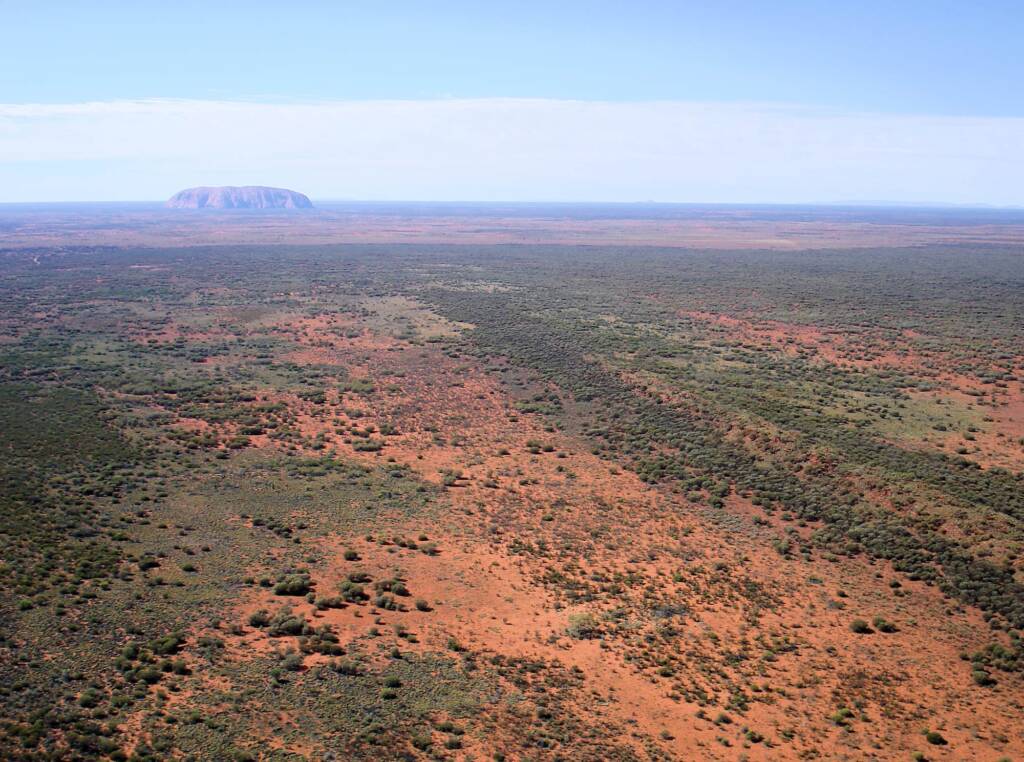
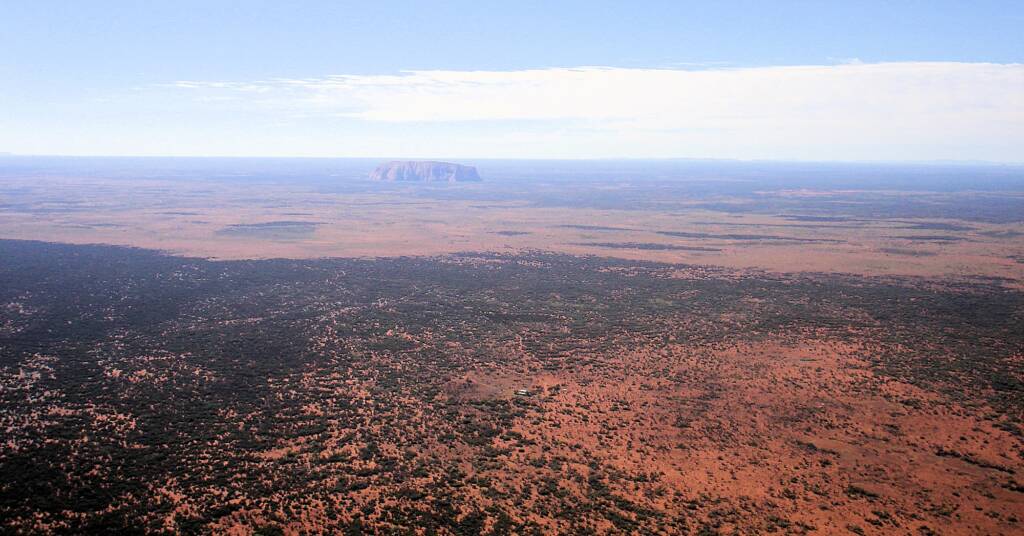
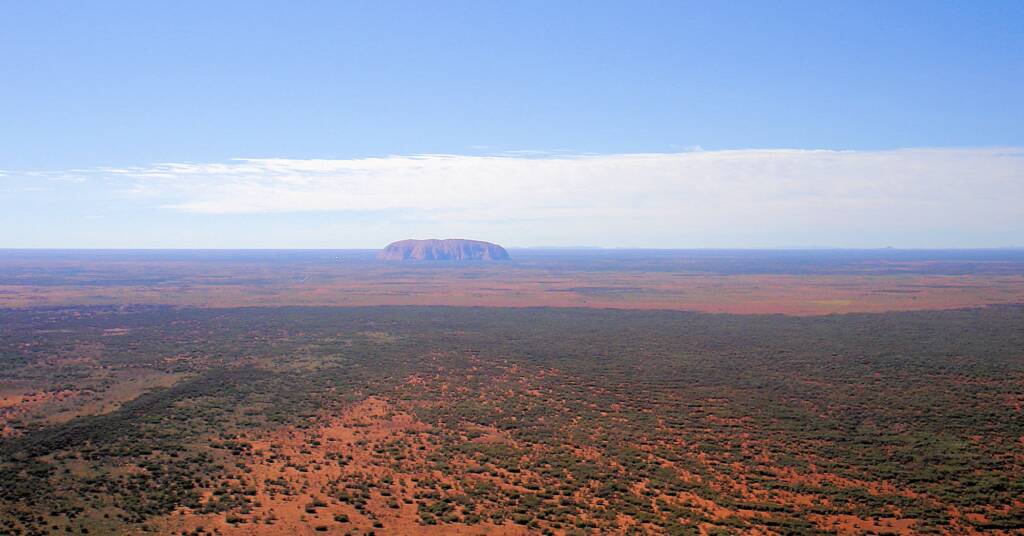
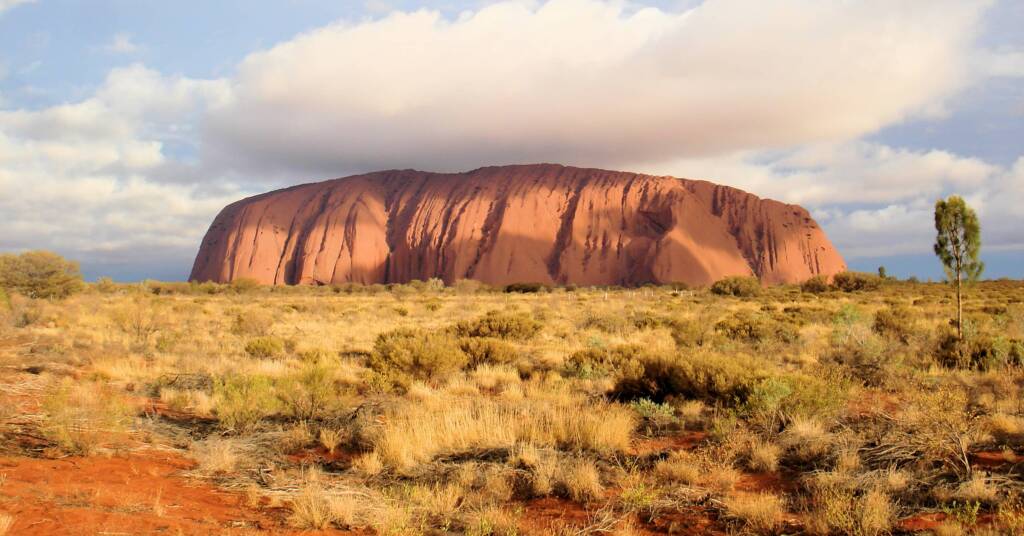
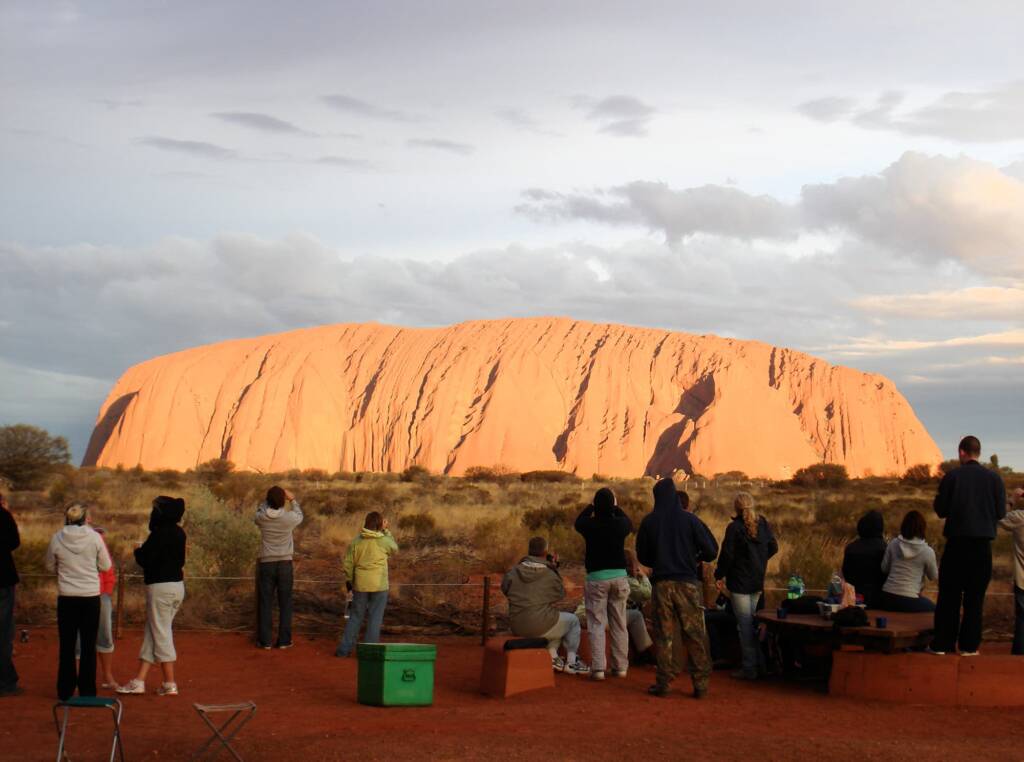
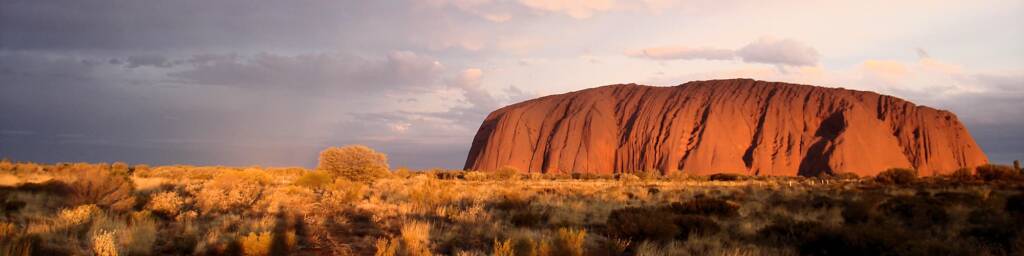
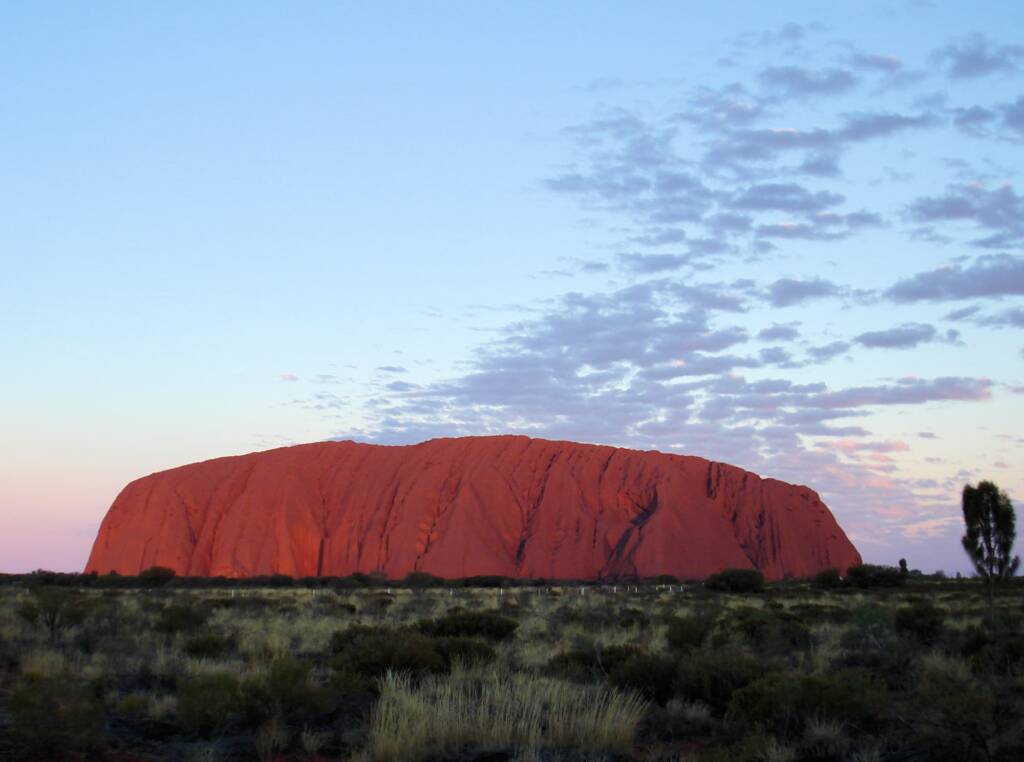
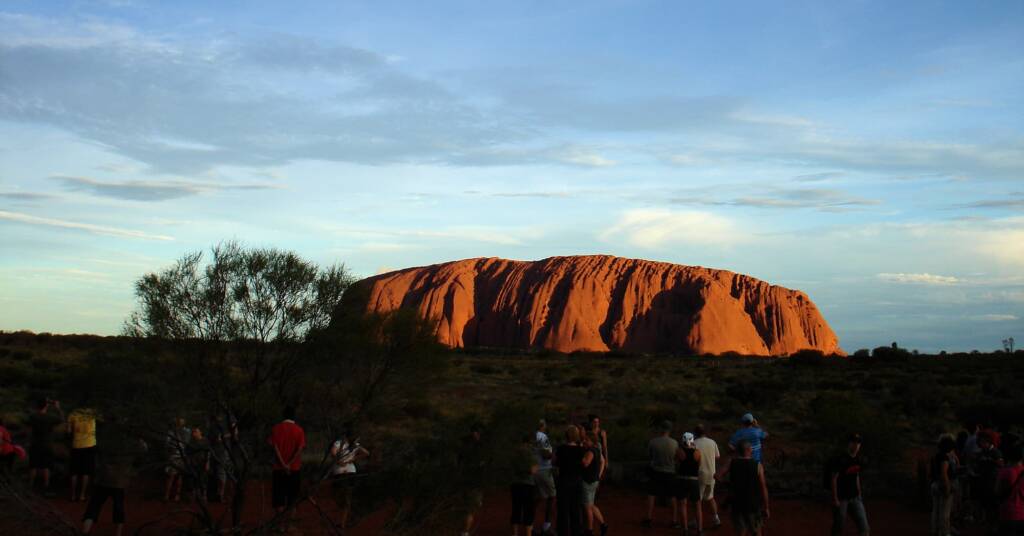
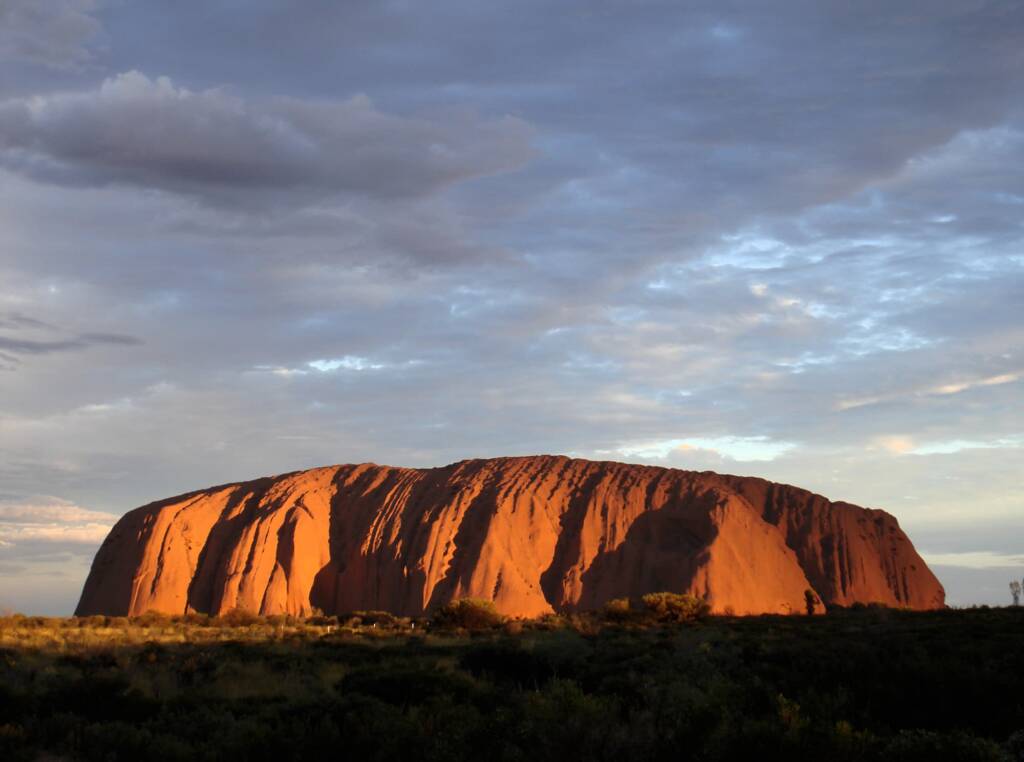
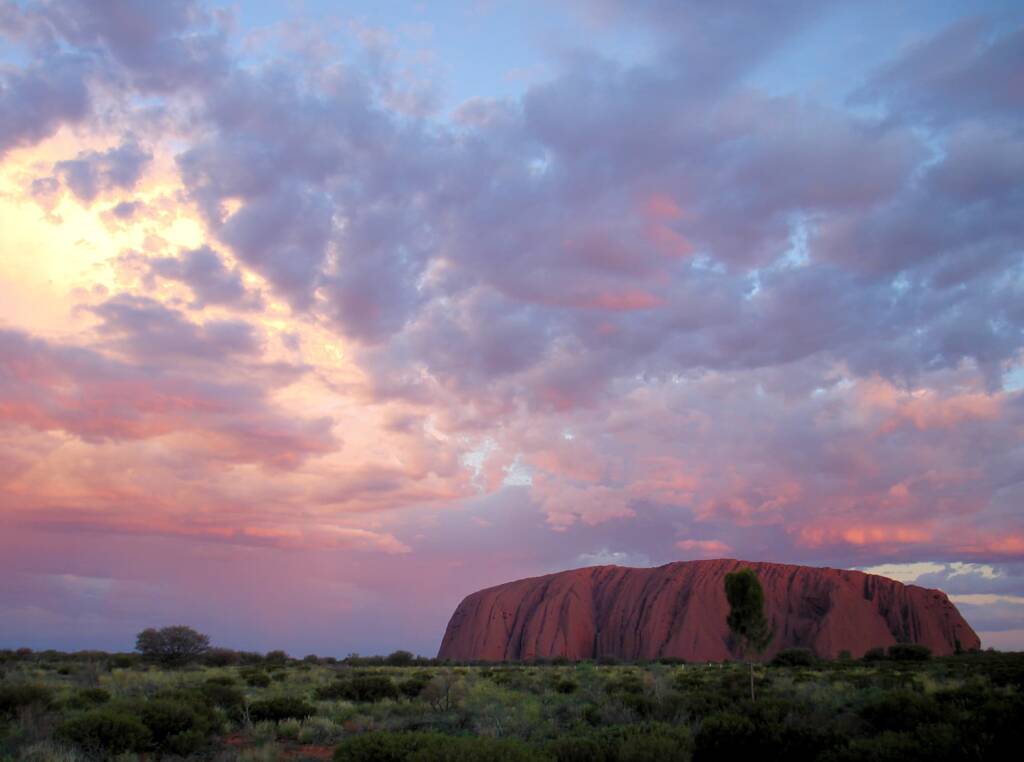
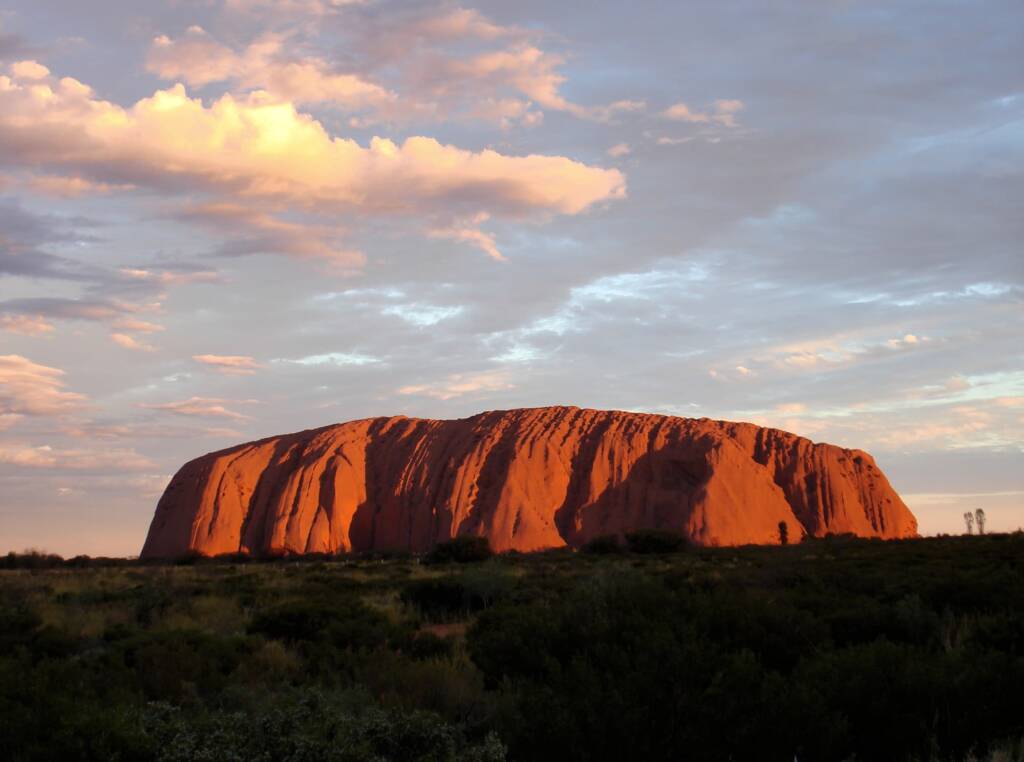
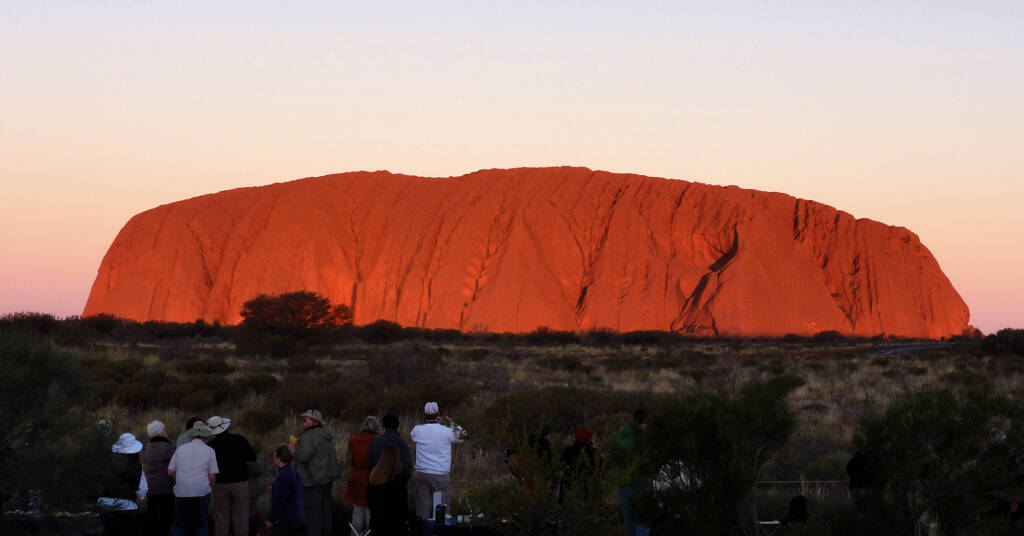
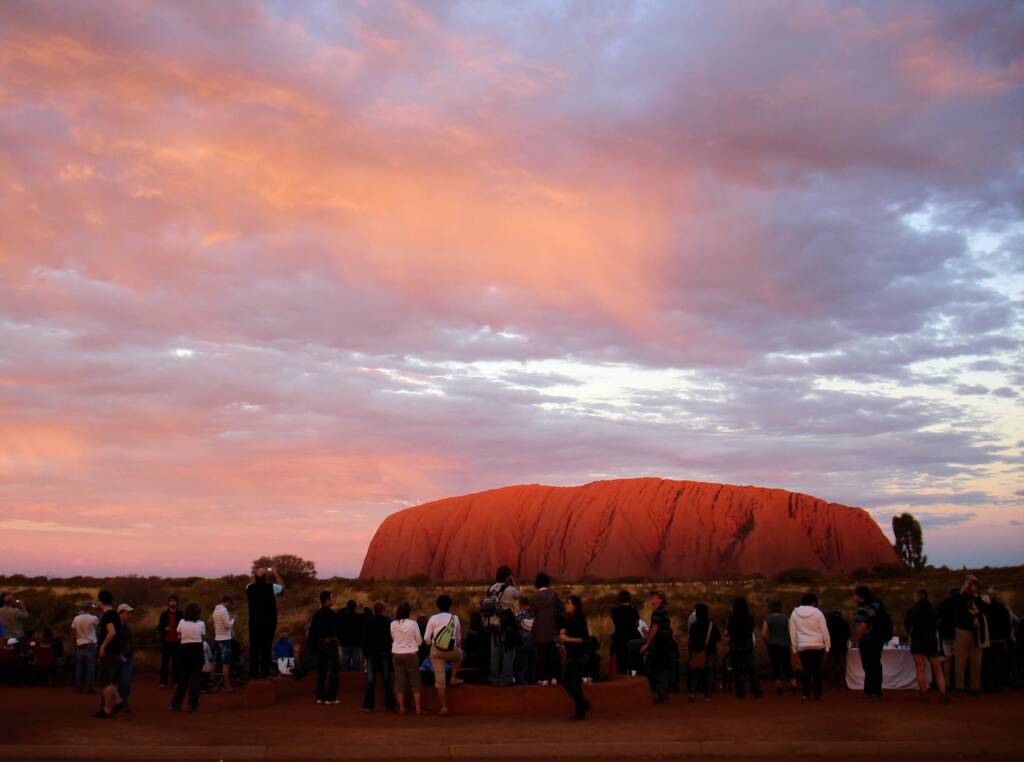
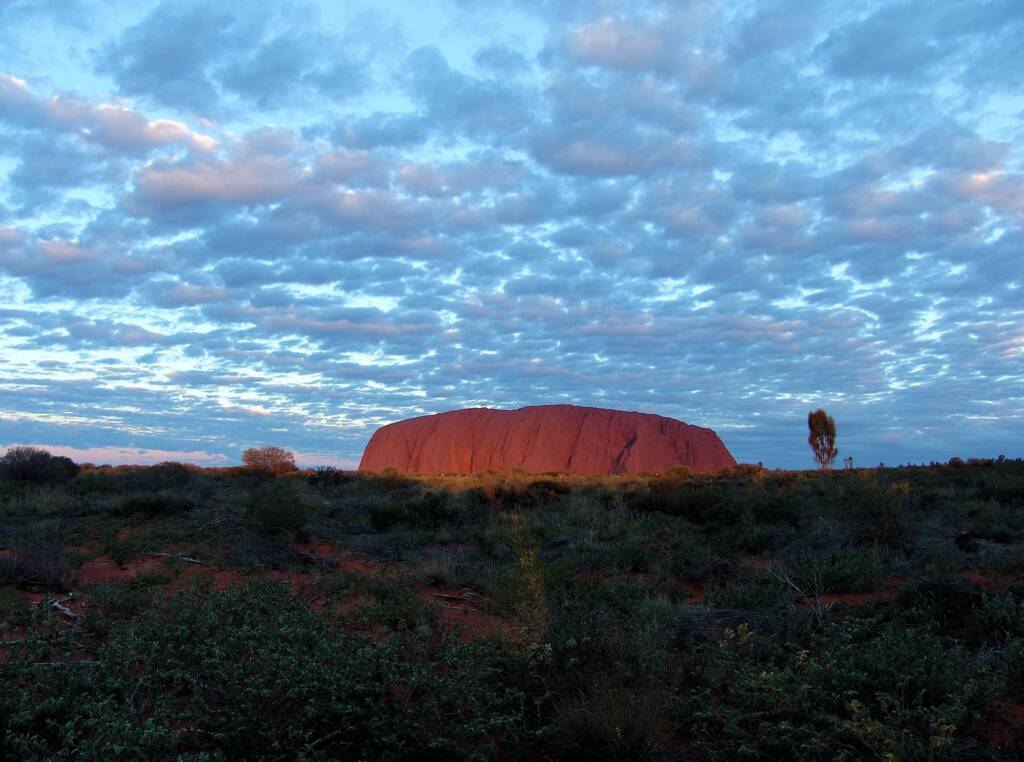
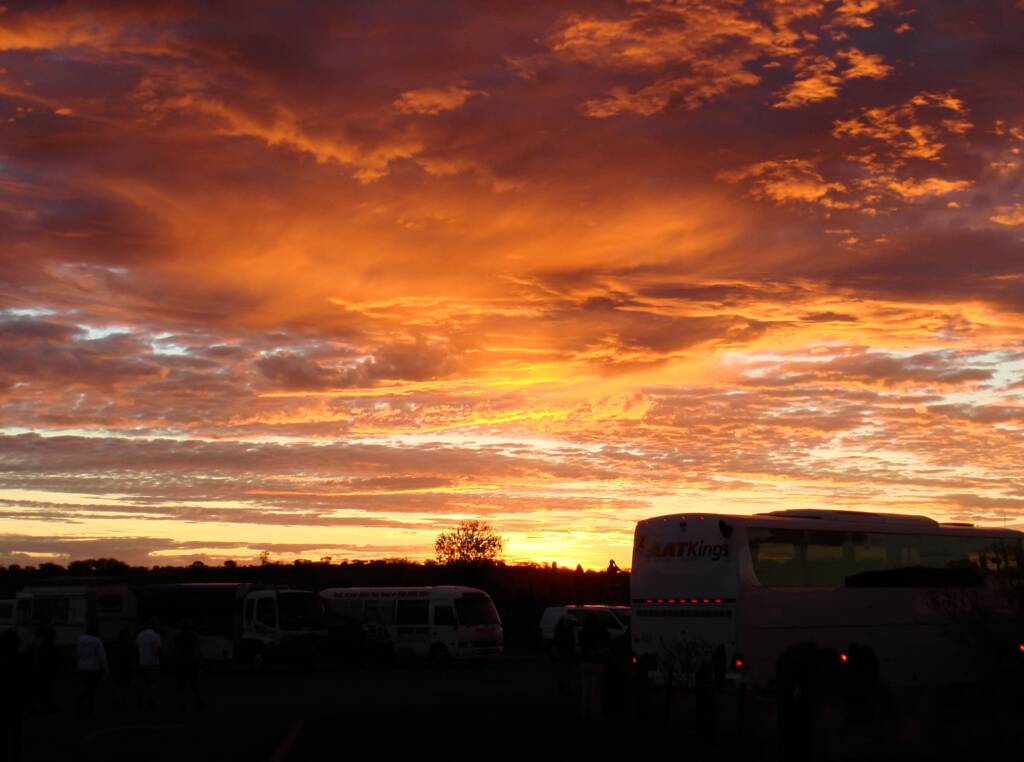
Uluru is a 3.6 km long rock that rises a towering 348 m from the flat surrounding scrub, and is especially impressive at dawn and sunset when the red rock changes hues in a spectacular show. There are a number of walks around the base of the rock passing caves, rock art and sacred Aboriginal sites.
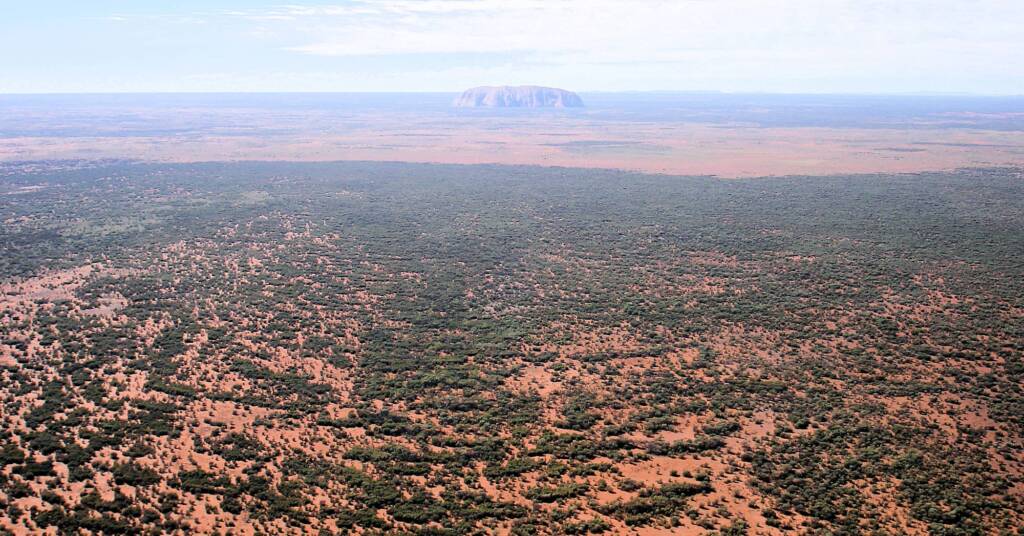
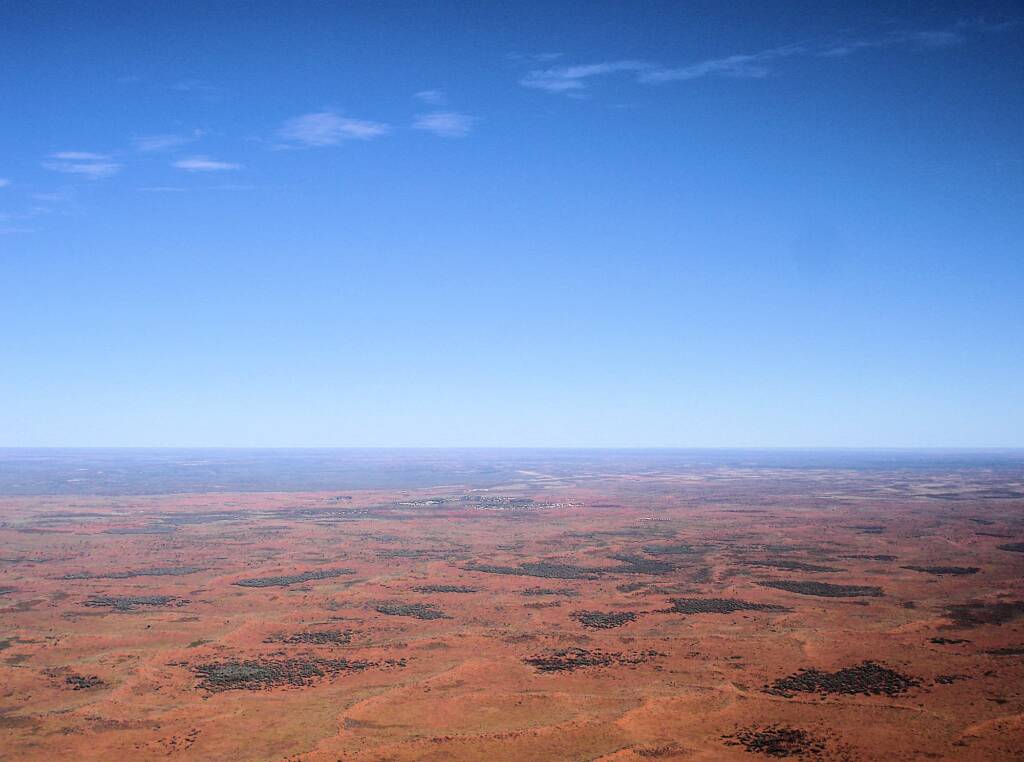
Kata Tjuta
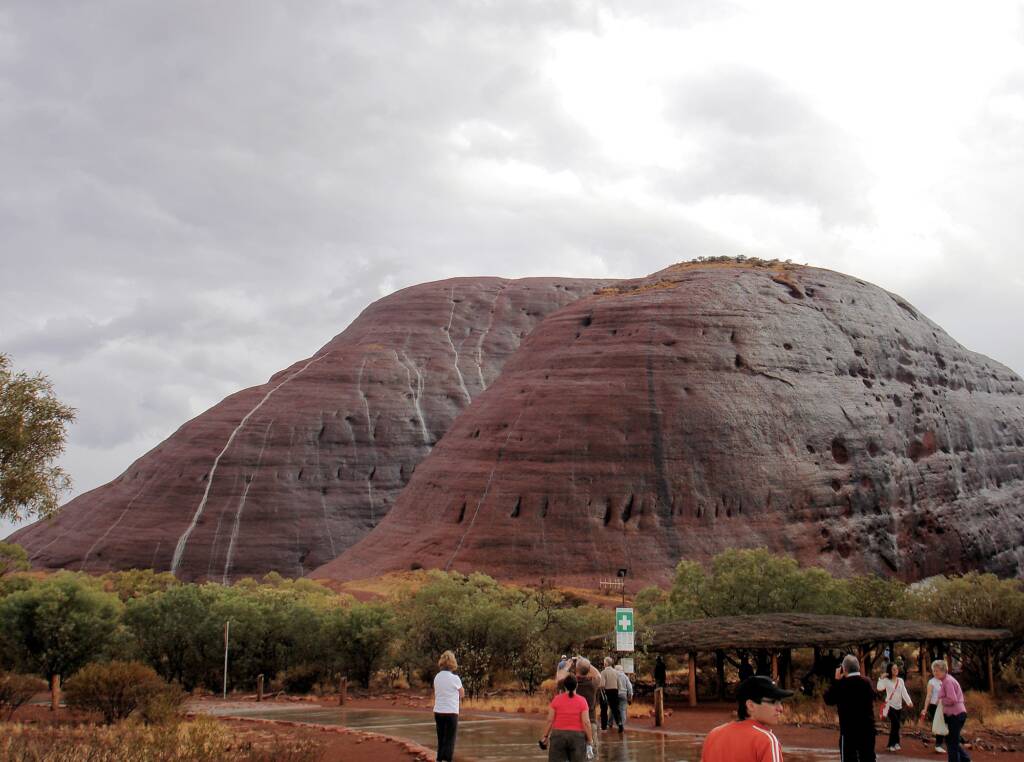
Nearby Kata Tjuta (formerly known as the Olgas), 32 km west of Uluru, are equally impressive monoliths, with Mount Olga being approximately 200 metres (546 metres above the desert) higher than Uluru. The Indigenous name of Kata Tjuta means “many heads”, which is apt given the impressive 36 domed rock formations that make up the structure.
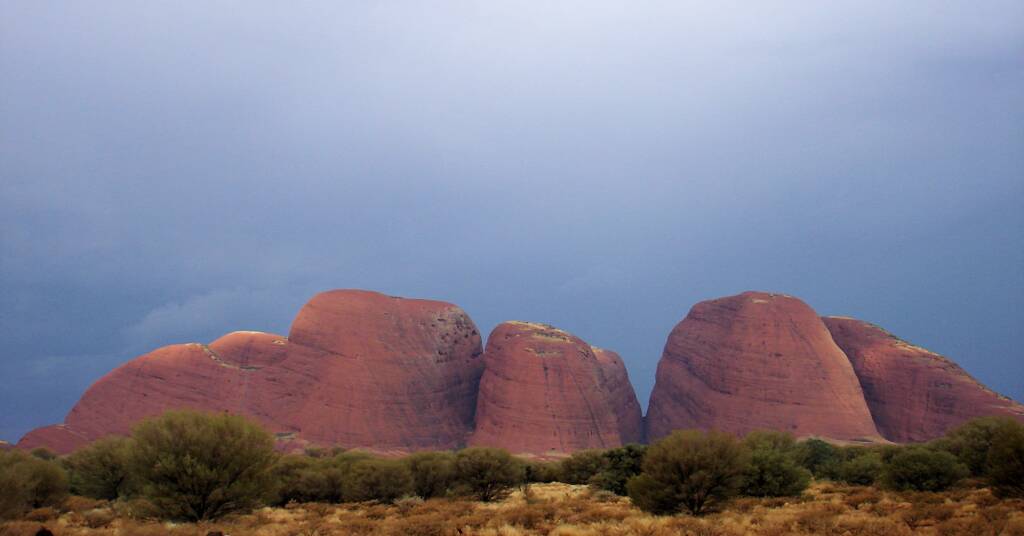
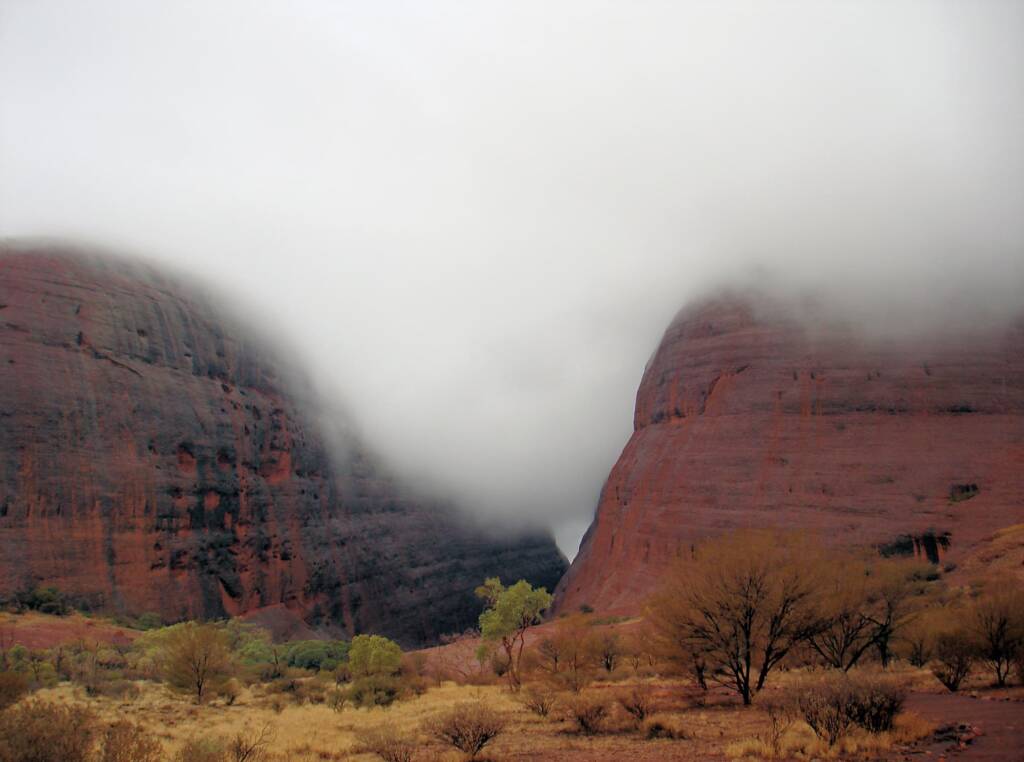
It’s made of conglomerate rock, a gravel consisting of a mix of pebbles, cobbles, and boulders that are cemented by sand and mud.
Located about 45 minutes’ drive west of Uluru, Kata Tjuta has a number of walks including the Valley of the Winds (a worthy 6 km circuit) or the shorter Walpa Gorge Walk (2.6 km return).

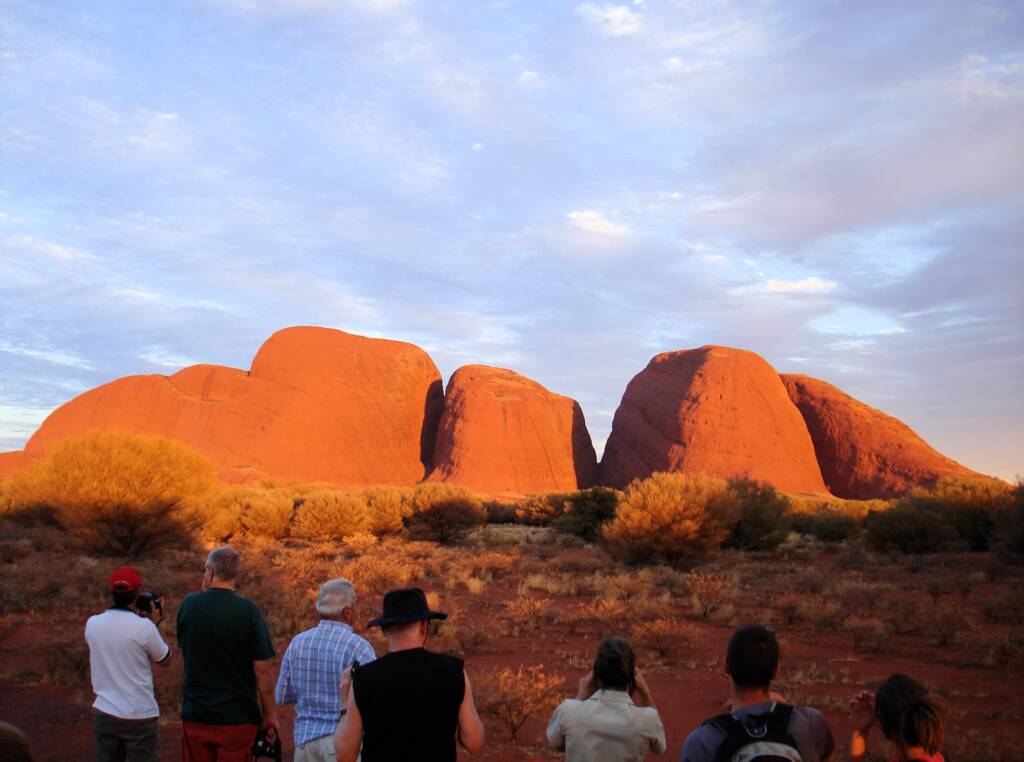
There is an excellent cultural centre located within the park. There are a number of walks throughout the national park that caters for different fitness levels. There is a park entry fee, which provides a 3 day pass into the national park.
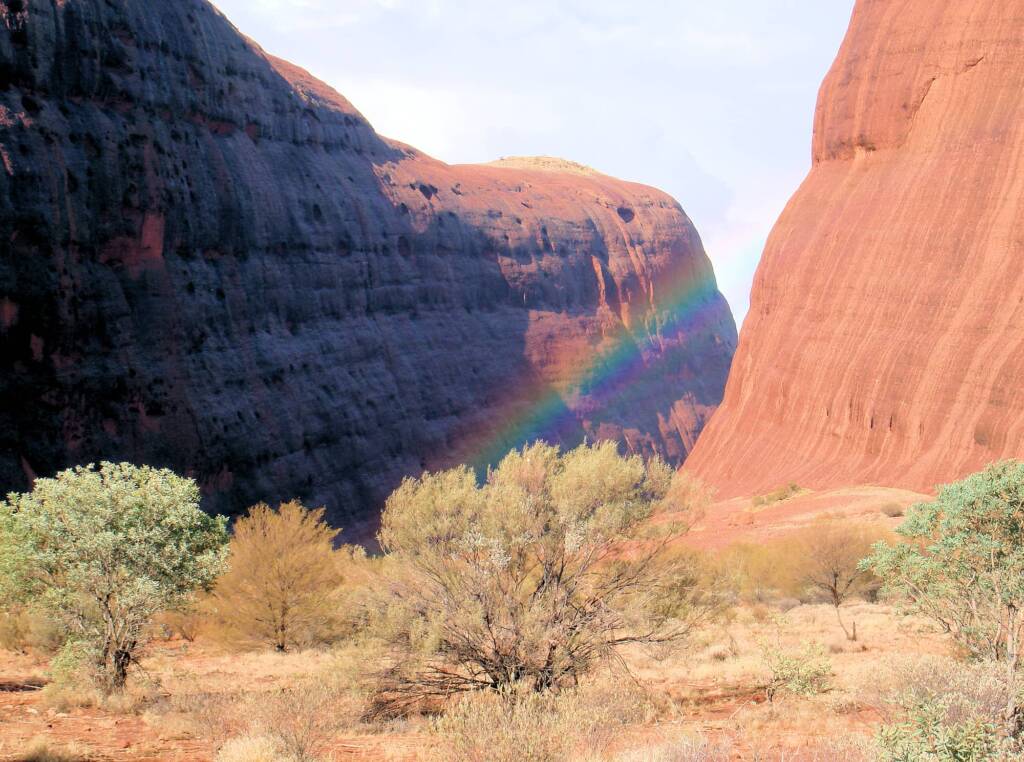
There are also tours with traditional Aboriginal Guides, conducted by the multi award winning Anangu Tours.
For passes and other information contact them at:
Uluru-Kata Tjuta National Park – www.parksaustralia.gov.au/uluru/
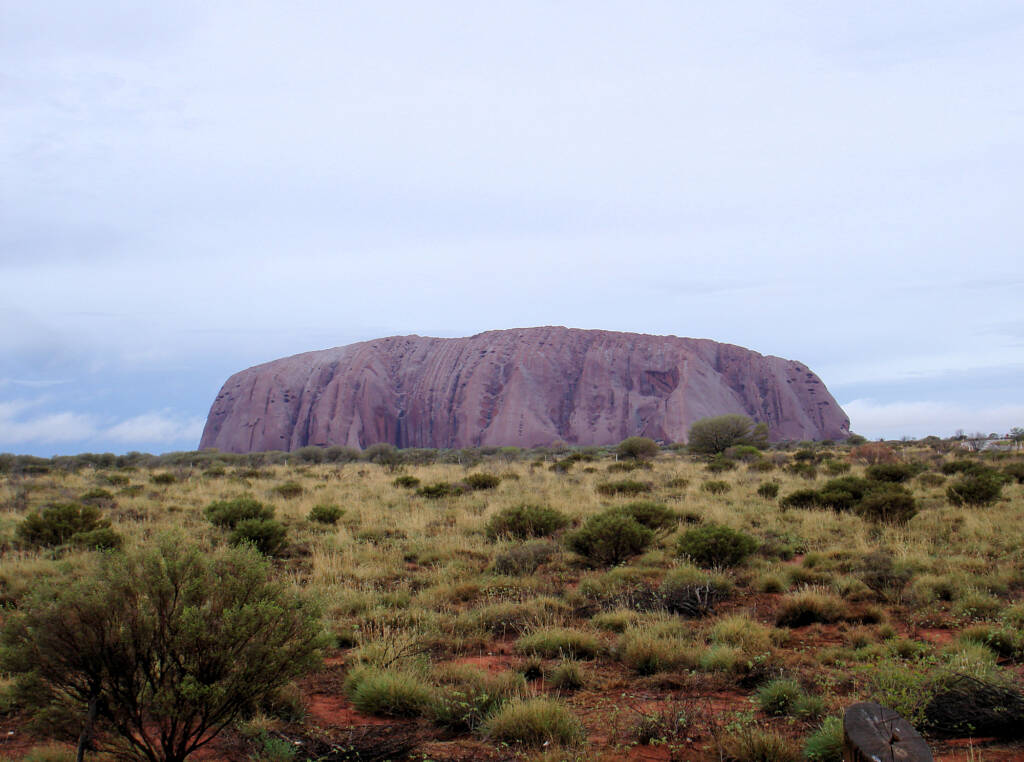
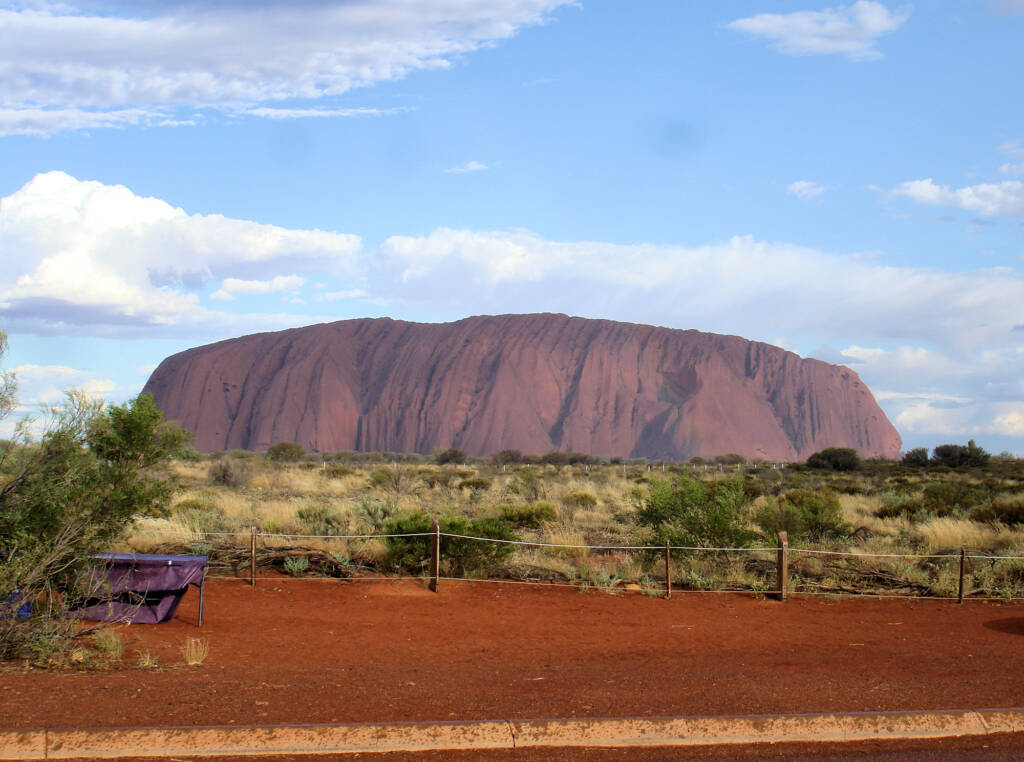
The changing face of Uluru
Uluru-Kata Tjuta National ParkFauna of Uluru-Kata Tjuta Flora of Uluru-Kata Tjuta